Sporting Director: The Executive Engine of Modern Sports Clubs
In the complex ecosystem of professional athletics, the bridge between the boardroom and the playing field is often occupied by a sporting director. Also known as a director of sport, this executive management position is critical for maintaining the long-term vision and operational efficiency of a sports club. While common across various athletic organizations, the role is most prominent within European football clubs.
The Role and Hierarchy of a Sporting Director
A sporting director typically serves as a high-level executive, often holding a seat on the club's executive board. In this capacity, they function as an executive director, ensuring that the sporting goals of the organization align with its overall business strategy. Structurally, the sporting director usually reports directly to the chairman or the chief executive officer (CEO) of the sports organization.
One of the primary responsibilities of the sporting director is the management of the coaching staff. By overseeing the technical side of the club, they provide a layer of stability and strategic continuity that persists even if individual coaches or managers change.
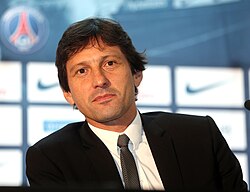
The Director of Football in Association Football
Within the specific context of association football (soccer), the role is frequently referred to as a director of football or a technical director. While the core objective remains executive oversight, the day-to-day tasks in football are often more specialized.
The most visible aspect of a director of football's job is the management of player transfers. This involves negotiating the movement of players both into and out of the team to optimize the squad's talent and value. However, the exact nature of the position can vary significantly from one club to another, depending on the organization's specific needs and management philosophy.
Key Facts
- Executive Status: Often a member of the executive board and an executive director.
- Reporting Line: Typically subordinate to the CEO or the organization's chairman.
- Staff Oversight: Generally acts as the manager of the coaching staff.
- Football Specialization: In soccer, the role often focuses heavily on player transfers.
- Regional Prevalence: Most commonly utilized in European sports clubs.
Comparison of Management Roles
To better understand how the sporting director fits into the organizational structure, the following table summarizes the key distinctions of the role.
| Feature | Sporting Director / Director of Football |
|---|---|
| Primary Focus | Executive management and sporting strategy |
| Direct Reports | Coaching staff |
| Reports To | CEO or Chairman |
| Key Football Task | Managing player transfers |
| Common Region | Europe |
Frequently Asked Questions
What is the difference between a sporting director and a coach?
A sporting director is an executive manager who oversees the broader sporting strategy and manages the coaching staff, whereas the coach focuses on the immediate tactical preparation and training of the athletes.
Is a director of football the same as a sporting director?
Yes, in the context of association football, the terms are often used interchangeably, though some clubs may also use the title technical director.
Who does the sporting director report to?
The sporting director is typically subordinate to the chief executive officer (CEO) or the chairman of the sports organization.
What is the main responsibility of a director of football regarding players?
Their key task is often the management of player transfers, handling the process of bringing new players into the club and managing the departure of others.
Are sporting directors found in sports other than football?
Yes, the role exists in various sports clubs, including those that offer multiple types of sports, although it is most well-known in European football.