Understanding Spawning: The Diverse World of Aquatic Reproduction
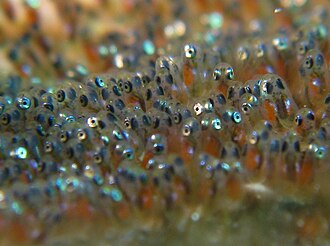
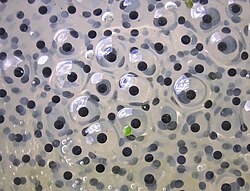
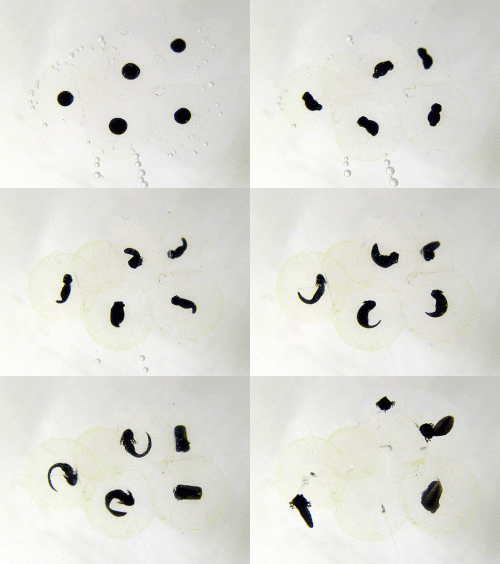
In the vast ecosystems of our oceans, rivers, and lakes, life begins through a remarkable biological process known as spawning. As a biological term, "spawn" refers to the eggs and sperm released or deposited into the water by aquatic animals. When used as a verb, spawning describes the physical act of freely releasing these reproductive cells into a body of water, whether fresh or marine.
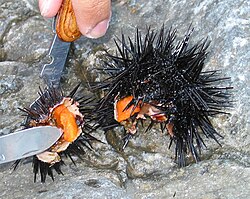
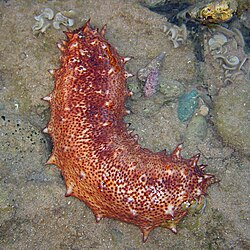
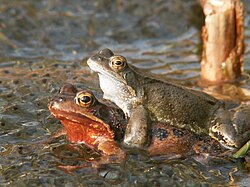
This method of reproduction is utilized by a staggering variety of life forms. From the smallest aquatic insects to massive sea turtles, spawning is a fundamental strategy for survival across multiple biological groups, including bony fishes, crustaceans, molluscs, echinoderms, amphibians, and various aquatic invertebrates.
Key Facts
- Spawning is the release of eggs and sperm into water by aquatic animals.
- It is a primary reproductive method for fish, crustaceans, molluscs, echinoderms, and amphibians.
- Strategies vary from nonguarders (who leave eggs unprotected) to guarders (who protect offspring).
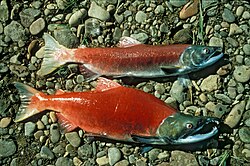
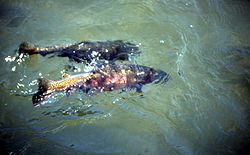
- Some species, like the Pacific salmon, are semelparous, meaning they die shortly after spawning.
- Migration is often a key component, with species traveling thousands of kilometers to reach specific spawning grounds.
Diverse Reproductive Strategies

Aquatic animals have evolved complex sexual and spawning strategies to ensure the next generation survives. These strategies are often dictated by environmental conditions, predator presence, and resource availability.
Sexual Strategies and Social Structures
Reproduction is not always a simple one-to-one interaction. Animals employ various social structures to maximize reproductive success:
- Monogamy: A single male and single female pair up.
- Polygyny: One male mates with multiple females.
- Polyandry: One female mates with multiple males.
- Polygynandry: Multiple males and multiple females form mating groups.
- Hermaphroditism: Some species possess both male and female reproductive organs, sometimes allowing for sex changes based on social or environmental needs.
Spawning Methods: From Nonguarders to Bearers
How an animal handles its offspring after fertilization defines its classification in the aquatic world.
NonguardersNonguarders do not provide protection for their eggs or offspring after the spawning process is complete. These can be further categorized by where they deposit their eggs:
- Open substrate spawners: These include pelagic spawners (releasing eggs into the open water column), benthic spawners (releasing eggs on the bottom), and those that use plants or fine substrates.
- Brood hiders: These animals hide their eggs in crevices, on invertebrates, or in beach environments to avoid detection.
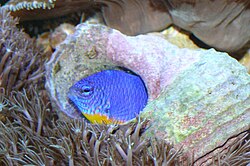
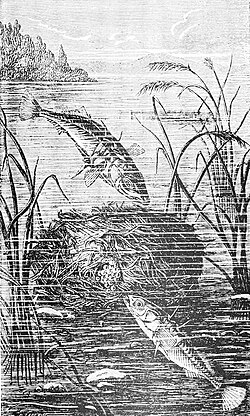
Guarders take an active role in protecting their young. They may be substrate spawners who tend to rocks or plants, or nest spawners who build specialized structures. Nest building can involve using rocks, gravel, sand, or even organic materials like bubbles or plant matter.
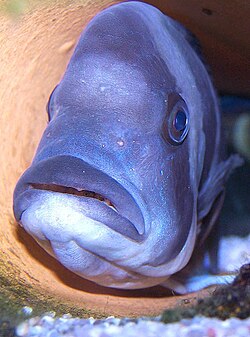
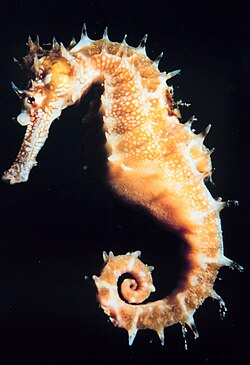
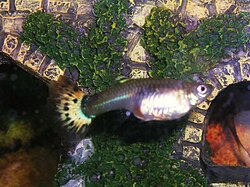
Some species carry their offspring throughout development. This can be external (such as mouthbrooders who carry eggs in their mouths or pouch brooders) or internal. Internal bearers include livebearers, where the young develop inside the parent's body.
Case Studies in Spawning Behavior
The Siamese Fighting Fish (Betta splendens)
The Siamese fighting fish exhibits a highly structured courtship. Males build bubble nests at the water's surface. During courtship, the male flares his gills and twists his body, while the female darkens in color. They engage in a "nuptial embrace" to release eggs and milt. Following fertilization, the male takes sole responsibility, retrieving sinking eggs and placing them in the bubble nest. He protects them for 24–36 hours of incubation until the larvae hatch and eventually become free-swimming fry.
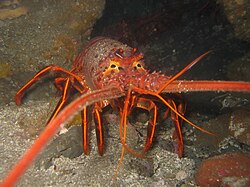
The California Spiny Lobster
Female California spiny lobsters are often described as "berried" when they carry fertilized eggs on their pleopods (swimming legs). A single female can carry between 120,000 and 680,000 eggs, which change from coral red to deep maroon as they develop. After 10 weeks, they hatch into phyllosoma larvae—flat, transparent organisms that look nothing like the adult lobster. These larvae undergo ten molts over seven months before reaching the juvenile puerulus stage.
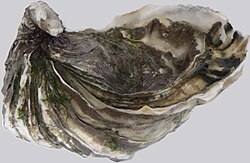
The Pacific Oyster
Pacific oysters are highly fecund, meaning they produce a vast number of offspring. A single female can release 50–200 million eggs in a single spawning event. Their sex can change annually based on food abundance: protandry (male to female) occurs in high-food environments, while protogyny (female to male) occurs in low-food environments. Spawning is often triggered by a rise in water temperature.
Green Sea Turtles
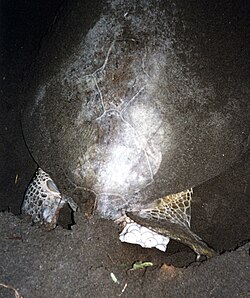
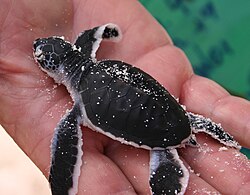
Green sea turtles undertake massive migrations to reach their spawning grounds. Females often return to the same beaches where they were hatched. After mating in the water, the female digs a hole in the sand above the high tide line to deposit a clutch of 100 to 200 eggs. After 45 to 75 days, the hatchlings emerge at night and instinctively head for the ocean, facing significant predation risks during this journey.
Summary of Spawning Characteristics
| Species | Primary Strategy | Key Feature |
|---|---|---|
| Siamese Fighting Fish | Nest Spawner | Male builds bubble nests and provides care. |
| Spiny Lobster | Egg Carrier | Females are "berried" with up to 680,000 eggs. |
| Pacific Oyster | Broadcast Spawner | Can release up to 200 million eggs per spawning. |
| Green Sea Turtle | Terrestrial Spawner | Eggs are deposited in sand nests on beaches. |
| Guppy | Livebearer | Offspring develop internally. |
Frequently Asked Questions
![A greater hooked squid with an erect penis 67 cm long[62][63]](/images/70/ad/70ad704881b82af1daef06aaf4a212abeca833bd9b467d7478a8d0f69abfd4c1.jpg)
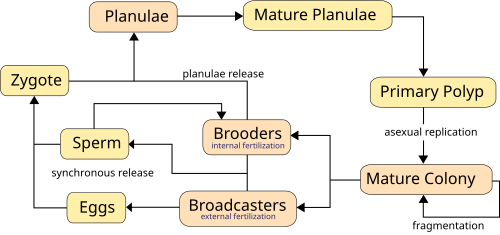

What is the difference between a broadcaster and a brooder?
A broadcaster releases eggs and sperm into the open water to be fertilized externally, often leaving them to drift. A brooder provides some form of protection or carrying mechanism for the eggs or young, such as mouthbrooding or using a pouch.
Why do some fish die immediately after spawning?
Some species, such as Pacific salmon, are semelparous. This means they have a single reproductive episode before death. This strategy is often linked to the massive energy expenditure required for long-distance migrations to spawning grounds.
How do sea turtles know where to lay their eggs?
Green sea turtles are known to migrate thousands of kilometers to reach specific spawning grounds, such as Ascension Island. They often return to the same beaches where they originally hatched to deposit their own eggs.
Can an animal change its sex?
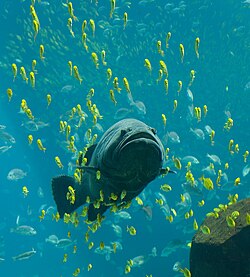
Yes. Some species exhibit hermaphroditism or sex reversal. For example, female groupers can change to males if no males are available, and Pacific oysters can change sex annually depending on environmental factors like food abundance.
What are "berried" crustaceans?
In crustaceans like the spiny lobster, a female is referred to as "berried" when she is carrying fertilized eggs on her pleopods (swimming legs) until they are ready to hatch.