Spanish and Portuguese Jews: The Legacy of the Western Sephardim
The history of the Spanish and Portuguese Jews, often referred to as the Western Sephardim, is a saga of resilience, faith, and global migration. Emerging from the Iberian Peninsula following periods of intense persecution, this community developed a unique identity that blended traditional Rabbinic Judaism with the cultural influences of the nations they inhabited during their exile.
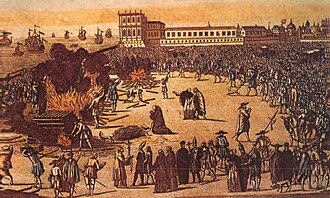
The trajectory of this community was fundamentally altered by the Alhambra Decree of 1492 in Spain and a similar decree in Portugal in 1497. These mandates forced Jews to either convert to Catholicism or leave their homelands, creating a divide between those who fled immediately and those who remained as Crypto-Jews—individuals who practiced Judaism in secret while appearing Catholic to avoid the Inquisition.
Key Facts
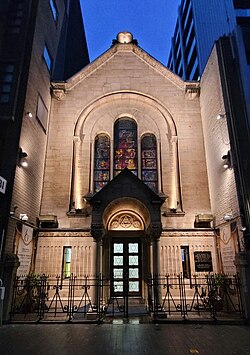
- Origins: Rooted in the pre-expulsion Jewish populations of Spain and Portugal.
- The Diaspora: Major settlements formed in Amsterdam, London, Hamburg, Italy, and the Americas.
- Crypto-Judaism: The practice of maintaining Jewish faith in secret under the threat of the Inquisition.
- Bnei Anusim: Descendants of forced converts who are returning to their Jewish roots in the 20th and 21st centuries.
- Cultural Markers: Use of Portuguese, Castilian (Spanish), and Hebrew languages in liturgy and community life.
The Path of Exile and Reversion
![The main façade of stone of the else half-timbered Portuguese synagogue Neveh Shalom in the courtyard of then Bäckerstr. 12-14 (today's Hoheschulstr.), Altona, dedicated in 1771, closed in 1882. Thereafter Altona's Ashkenazi congregation used the building as winter synagogue, before it was demolished in 1940.[23]](/images/ca/ce/cace80a560eda749c5516a8ce0219a73674bf153335d2220b74a2b9ff112e980.jpg)
The movement of the Western Sephardim can be traced through several distinct phases. Following the expulsions, many settled in North Africa or Italy. Others became Conversos (forced converts), some of whom migrated to Ibero-America during the 16th century, where the Inquisition followed them.
Over time, many Conversos sought to return to their ancestral faith, a process known as reversion. This led to the establishment of the Western Sephardic communities in Europe and the New World. In the modern era, this trend continues with the Neo-Western Sephardim, descendants of Bnei Anusim who are rediscovering their heritage after the abolition of the Inquisition.
Global Communities and Synagogues
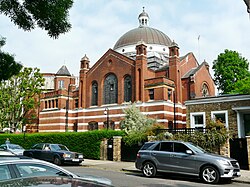
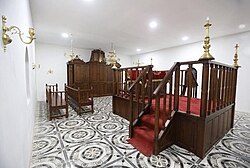
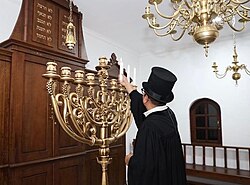
The Western Sephardim established influential congregations across the globe, characterized by their distinct minhag (customs) and architectural styles.
Europe
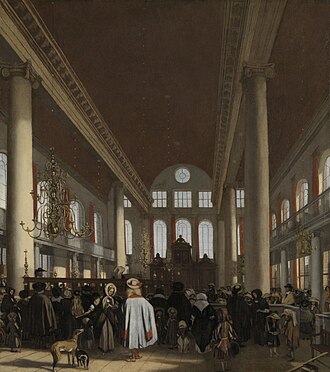
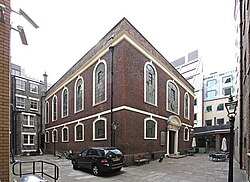
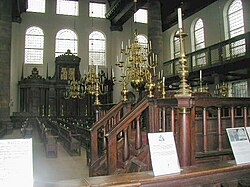
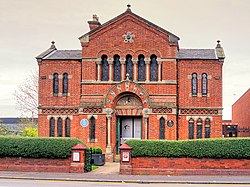
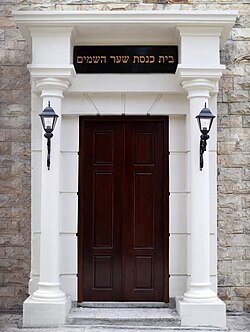
Amsterdam became a primary hub, with the Esnoga (the mother synagogue) serving as a spiritual center. In London, the Bevis Marks Synagogue, opened in 1701, stands as a testament to the community's longevity. Other significant centers emerged in Hamburg, including the Beth Israel and Neveh Shalom congregations.
The Americas and Beyond
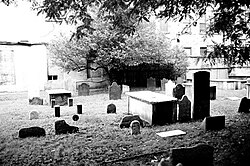
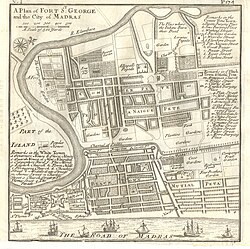
In North America, Congregation Shearith Israel (1654) in New York City marks the beginning of the community's presence in the United States. From the Caribbean islands of Jamaica and Barbados to the cities of Brazil and the Dominican Republic, the Western Sephardim built enduring institutions. Even in Asia, communities were established in Goa, Malacca, and Madras (Chennai), India.
Cultural and Intellectual Contributions
The Spanish and Portuguese Jewish community produced a vast array of scholars, physicians, and artists. Their intellectual tradition was marked by a synthesis of Jewish law and the humanist currents of the Renaissance.
Prominent figures include Menasseh ben Israel, a renowned scholar in Amsterdam, and David Ricardo, the influential economist. The community's reach extended into the arts and sciences, with figures like the poet Emma Lazarus and the physicist Abraham Pais contributing to global culture.
| City | Synagogue/Community | Key Detail |
|---|---|---|
| Amsterdam | Esnoga | Considered the mother synagogue |
| London | Bevis Marks | Opened in 1701 |
| New York | Shearith Israel | Founded in 1654 |
| Newport | Touro Synagogue | Opened in 1763 |
| Chennai | Madras Synagogue | Historic Indian community |
Liturgy and Tradition
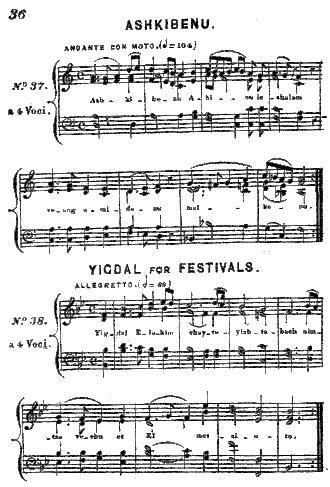
The liturgical practice of the Western Sephardim is distinct, incorporating specific cantillation and musical traditions. While Hebrew remains the sacred language, Portuguese and Castilian were historically used for community administration and some religious texts. The music often reflects a blend of Iberian influences and traditional Jewish chants, as seen in the harmonizations by Emanuel Aguilar.
Frequently Asked Questions
Who are the Western Sephardim?
The Western Sephardim are Jews of Spanish and Portuguese descent who, following the expulsions of 1492 and 1497, migrated to Western Europe, the Americas, and parts of Asia, often after a period of living as Crypto-Jews.
What is Crypto-Judaism?
Crypto-Judaism is the practice of secretly adhering to Judaism while publicly professing the Catholic faith, typically to avoid persecution by the Inquisition in Spain, Portugal, and their colonies.
What is the difference between Sephardim and Bnei Anusim?
Sephardim is a general term for Jews of Spanish or Portuguese origin. Bnei Anusim refers specifically to the descendants of those who were forced to convert to another religion (the "forced ones") and are now returning to Judaism.
Which was the first Jewish congregation in North America?
Congregation Shearith Israel, founded in New York City in 1654, is recognized as the first Jewish congregation in North America.
What languages were historically used by this community?
In addition to Hebrew for religious purposes, the community extensively used Portuguese and Castilian (Spanish) for their liturgy, records, and daily communication.