Space Shuttle System: The History and Engineering of NASA's STS
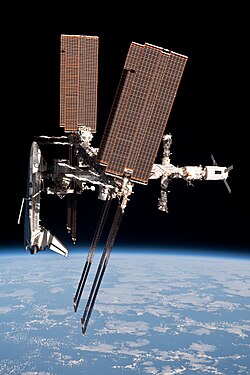
From 1981 to 2011, the Space Transportation System (STS), commonly known as the Space Shuttle, served as the backbone of American human spaceflight. This partially reusable spacecraft system was designed to provide crewed orbital launch and reentry capabilities, enabling NASA to conduct unprecedented scientific research, deploy vital satellites, and construct the International Space Station (ISS).
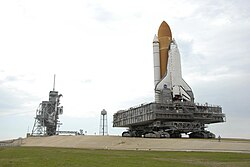
The system was a complex integration of three primary components: the orbiter (the winged spacecraft that carried the crew and cargo), the Solid Rocket Boosters (SRBs), and the massive External Tank (ET). Together, these elements formed a heavy-lift vehicle capable of transporting massive payloads into Low Earth Orbit (LEO).
Key Facts
- Program Duration: 1981 to 2011
- Total Missions: 135 launches
- Success Rate: 133 successful missions; 2 failures
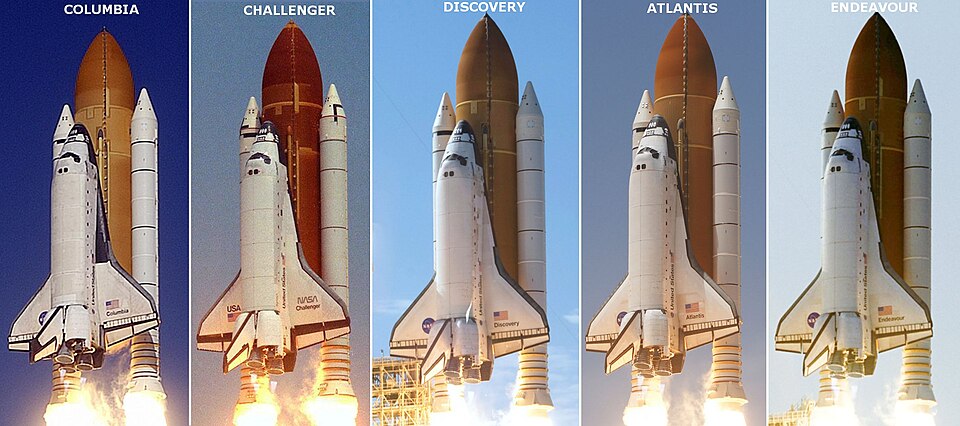
- Orbiter Fleet: Columbia, Challenger, Discovery, Atlantis, and Endeavour
- Primary Launch Site: Kennedy Space Center, Florida
- Total Program Cost: Approximately US$211 billion (2012 value)
Technical Specifications and Capabilities
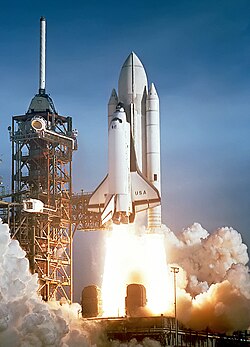
The Space Shuttle was a marvel of engineering, designed to meet the heavy-lift requirements of both NASA and the U.S. Air Force. The system's scale was immense, with a stacked vehicle height reaching 56 meters (184 feet).
The Orbiter and Payload Bay
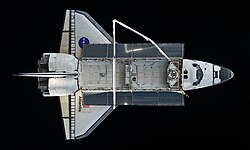
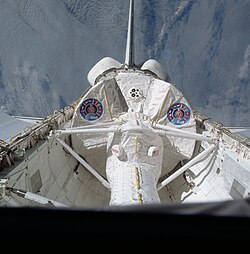
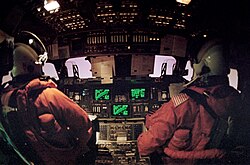
The orbiter functioned as the crew's home and the primary cargo carrier. Its payload bay, measuring 18 meters (60 ft) long and 4.6 meters (15 ft) wide, was essential for carrying large satellites, scientific modules like Spacelab, and components for the ISS. To manage the extreme heat of reentry, the orbiter utilized a sophisticated thermal protection system, including ceramic tiles.
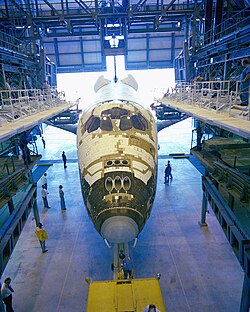
The payload bay doors also served a critical thermal function; once in orbit, they were opened to act as radiators, rejecting excess heat from the vehicle.
Propulsion: Engines and Boosters
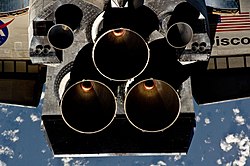
To reach orbit, the shuttle relied on a combination of liquid and solid propulsion. The orbiter was powered by three RS-25 engines, which used liquid hydrogen (LH2) and liquid oxygen (LOX) stored in the External Tank. These engines provided high efficiency with a specific impulse of 455 seconds.
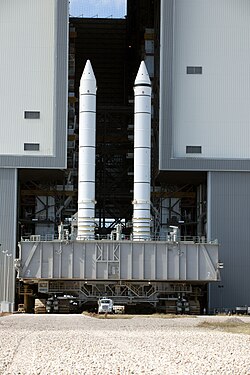
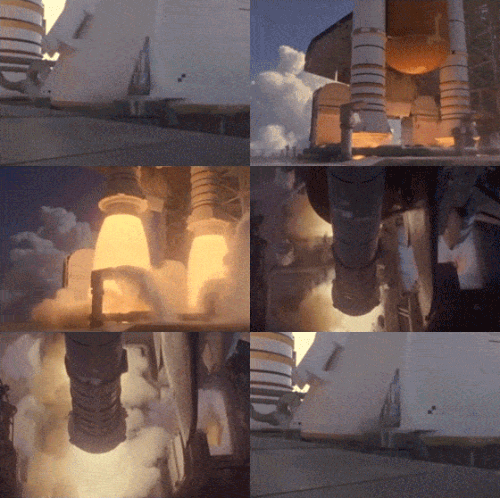
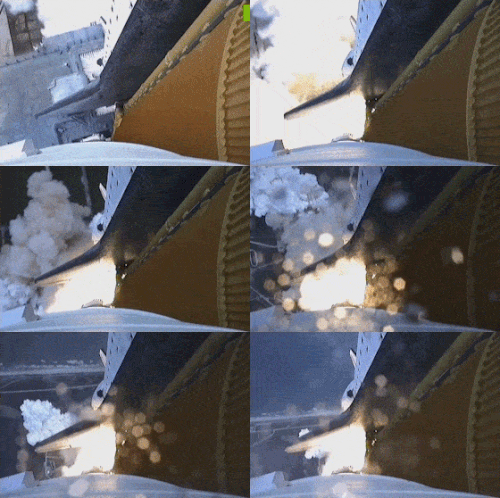
Providing the initial massive thrust required for liftoff were two Solid Rocket Boosters (SRBs). These boosters burned for approximately 124 seconds, contributing a combined 27 MN of thrust. The propellant used in the SRBs was a mixture of PBAN and APCP.
The External Tank (ET)
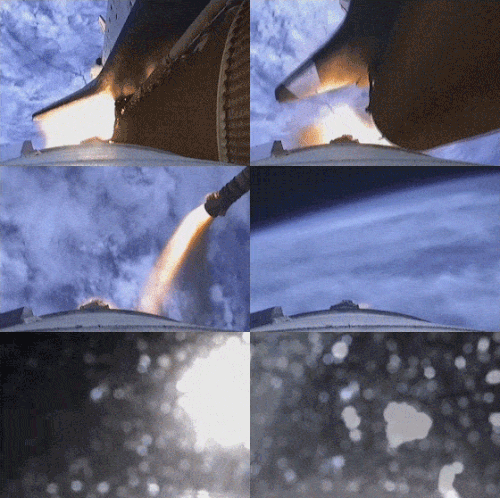
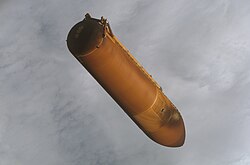
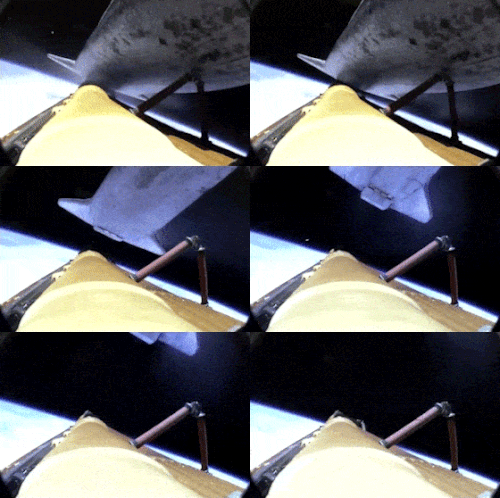
The External Tank was the central structural link between the orbiter and the SRBs. It held the liquid oxygen and liquid hydrogen necessary for the RS-25 engines. The tank was coated in orange spray-on foam to protect it from the intense heat of ascent.
Mission Profiles and Operations
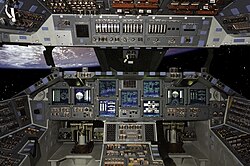
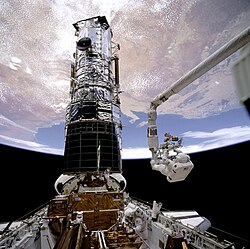
A typical shuttle mission involved a highly choreographed sequence of events. During ascent, the RS-25 engines were throttled to manage aerodynamic stress at Max Q (the point of maximum dynamic pressure). Once in orbit, the crew could utilize the Remote Manipulator System (a robotic arm) to deploy satellites or service telescopes like the Hubble Space Telescope.
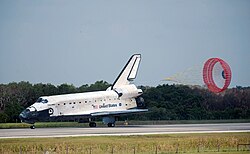
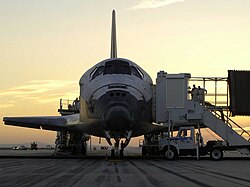
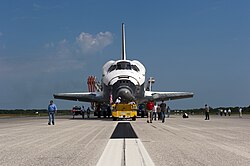
Following mission objectives, the orbiter would perform a high-speed reentry, utilizing its thermal protection system to survive the atmospheric friction before gliding to a landing at a designated site, such as the Kennedy Space Center.
Summary of Shuttle System Data
| Feature | Specification |
|---|---|
| Stacked Height | 56 m (184 ft) |
| External Tank Diameter | 8.7 m (29 ft) |
| Total Launch Mass | 2,030,000 kg (4,480,000 lb) |
| Payload to LEO (Altitude 204 km) | 27,500 kg (60,600 lb) |
| Payload to ISS (Altitude 407 km) | 16,050 kg (35,380 lb) |
| SRB Burn Time | 124 seconds |
| RS-25 Burn Time | 480 seconds |
Frequently Asked Questions
What were the main components of the Space Shuttle?
The system consisted of the winged orbiter, two Solid Rocket Boosters (SRBs), and a large External Tank (ET) that provided fuel to the orbiter's main engines.
How many orbiters were in the shuttle fleet?
Five complete orbiter vehicles were built and flown: Columbia, Challenger, Discovery, Atlantis, and Endeavour.
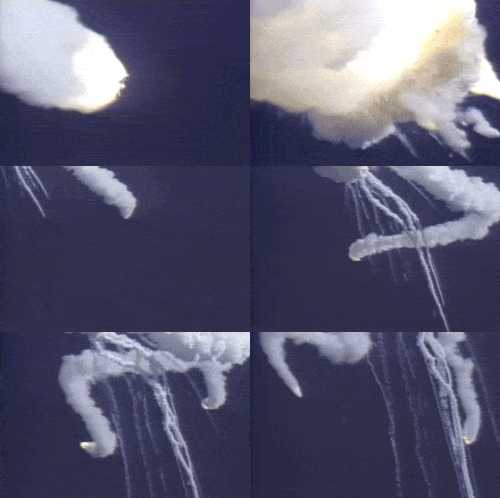
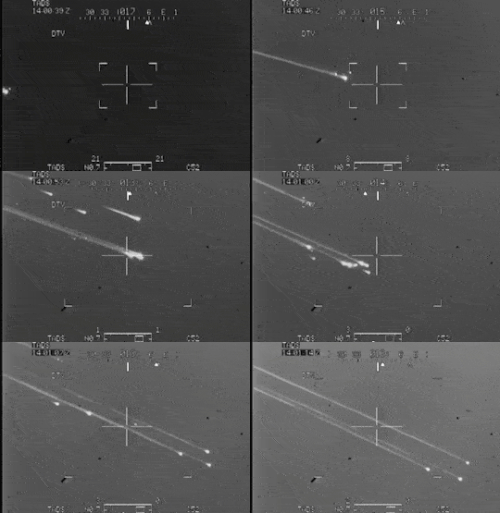
What caused the two major shuttle disasters?
The program suffered two tragic losses: the Challenger (STS-51-L) during launch in 1986, and the Columbia (STS-107) during atmospheric reentry in 2003.
What was the primary purpose of the Space Shuttle?
The shuttle was designed for crewed orbital launch and reentry, allowing NASA to deploy satellites, conduct scientific research, and build the International Space Station.
When did the Space Shuttle program end?
The program officially concluded with its final flight, STS-135, on July 21, 2011.