The Essential Guide to Soy Sauce: History, Production, and Global Varieties
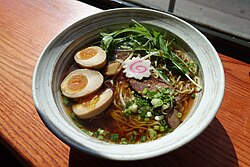
Whether it is drizzled over a steaming bowl of ramen or used as a base for a complex marinade, soy sauce is one of the world's most indispensable condiments. Known as shoyu in Japan, jiangyou in China, and ganjang in Korea, this savory liquid is a cornerstone of East and Southeast Asian cuisine. But beyond its salty profile lies a deep history of fermentation and a diverse array of regional styles.
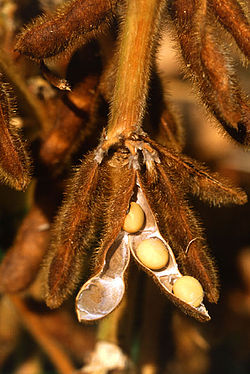
At its core, soy sauce is a fermented condiment primarily made from soybeans. While it is often associated with a single flavor profile, the methods of production and the ingredients used vary significantly across the globe, resulting in a spectrum of colors, aromas, and tastes.
Key Facts
- Origin: China (East Asia).
- Main Ingredients: Soybeans, often combined with wheat or other grains.
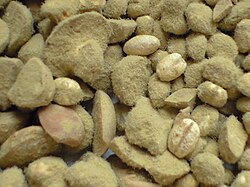
- Primary Fermentation Agents: Microbes such as Aspergillus oryzae or Aspergillus sojae.
- Global Names: Shoyu (Japanese), Ganjang (Korean), Kicap (Malay), Toyo (Filipino).
- Nutritional Note: High in sodium (approx. 6g per 100ml).
A Deep History of Fermentation
The roots of soy sauce are ancient. It is considered nearly as old as soy paste (jiang), a fermented soybean paste that appeared during China's Western Han dynasty (206 BC – 220 AD). Archaeological findings at the Mawangdui site have even listed these early fermented products in bamboo slips.
Over centuries, the liquid byproduct of soy paste fermentation evolved into the distinct condiment we recognize today. By the Song dynasty (960–1279 AD), the term jiangyou became the accepted name for the liquid. In Korea, historical records from the Three Kingdoms era show that ganjang (soy sauce) and doenjang (soybean paste) were essential components of royal wedding ceremonies as early as 683 AD.
How Soy Sauce is Made
The production of soy sauce generally falls into two main categories based on the fermentation environment and salt content.
High-Salt Liquid-State Fermentation (HLF)
This is the traditional method. It involves creating a moromi—a mash consisting of soybeans, wheat (optional), salt, water, and fermenting yeast. This mixture undergoes a long aging process, typically between 90 and 180 days, at temperatures of 15–30 °C (59–86 °F). Constant stirring is required to distribute nutrients and flavors evenly.
Low-Salt Solid-State Fermentation (LSF)
A more modern approach, LSF was introduced to China from the Soviet Union in 1958. It is a faster method that works at higher temperatures (50–65 °C). While it reduces salt content by lifting enzyme inhibition, it can sometimes result in a flavor profile that lacks the depth of traditional HLF, occasionally leaving burnt or acidic notes.
Regional Variations and Styles
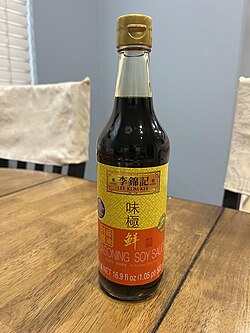
As soy sauce traveled through trade routes, it adapted to local ingredients and tastes, creating distinct regional identities.
China
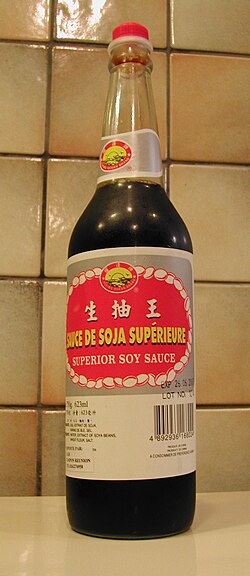
Chinese soy sauces are often categorized by their production method: brewed (directly fermented) or blended (containing additives). The market is also split between High-Salt Liquid-State (HLF) and Low-Salt Solid-State (LSF) varieties.
Japan
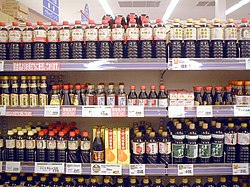
Japanese shoyu is highly regarded for its quality grades. Products are often classified by their total nitrogen content: Hyōjun (standard), Jōkyū (upper), and Tokkyū (special). Common varieties include Tamari and Honjōzō (genuine fermented).
Korea
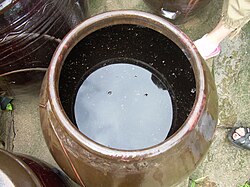
Korean ganjang is a staple of traditional cuisine, with historical texts like the Gyuhap chongseo providing detailed instructions on how to pick the best dates for brewing and how to preserve the sauce.
Southeast Asia
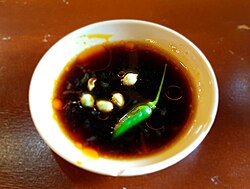
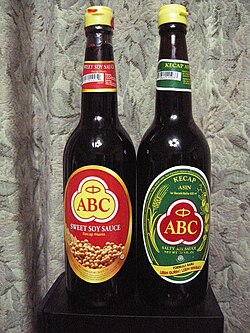
In Southeast Asia, soy sauce takes on many forms. In Indonesia, Kecap manis is a thick, sweet version, while in the Philippines, Toyo is often used in dipping sauces like Toyomansi (a mix of soy sauce, calamansi, and chili).
Nutritional Profile and Safety
According to the USDA, a 100ml serving of soy sauce contains approximately 60 kcal, 10.51g of protein, and 5.57g of carbohydrates. However, it is very high in sodium, containing about 6g per serving.
In terms of food safety, concerns have been raised regarding acid-hydrolyzed vegetable protein. In 2001, the UK Food Standards Agency found that certain soy sauces made via hydrolysis (rather than natural fermentation) contained chemical carcinogens like 3-MCPD and 1,3-DCP. Consumers are generally advised to look for naturally fermented products to avoid these specific chemicals.
| Feature | Traditional (HLF) | Low-Salt (LSF) | Acid-Hydrolyzed |
|---|---|---|---|
| Aging Time | 90–180 days | Short/Rapid | Chemical process |
| Flavor Depth | High/Complex | Moderate | Variable |
| Primary Method | Microbial fermentation | High-temp fermentation | Hydrolysis |
Frequently Asked Questions
What is the difference between brewed and blended soy sauce?
Brewed soy sauce is produced through direct microbial fermentation of soybeans and grains. Blended soy sauce is made by mixing fermented soy sauce with various additives.
Why is soy sauce so high in sodium?
Salt is a critical component in the traditional fermentation process. It helps control the fermentation by inhibiting the growth of unwanted bacteria while allowing beneficial microbes to thrive.
What does "Honjōzō" mean on a Japanese soy sauce label?
Honjōzō translates to "genuine fermented," indicating that the product contains 100% genuine fermented ingredients rather than being a blend.
Is all soy sauce safe to consume?
Most naturally fermented soy sauces are safe. However, some studies have identified carcinogens like 3-MCPD in certain soy sauces produced through acid-hydrolysis rather than natural fermentation.
What is Kecap manis?
Kecap manis is a thick, sweet Indonesian soy sauce that is significantly different from the thinner, saltier varieties found in East Asia.