Southern Food & Beverage Museum: Preserving the Culinary Heritage of the American South
Located in the heart of New Orleans, Louisiana, the Southern Food & Beverage Museum (SoFAB) serves as a non-profit institution dedicated to the exploration of the American South's rich culinary history. By examining the roots of regional food and drink, the museum highlights how cultural traditions, basic recipes, and shared meals have forged enduring communities across the Southern states.
The museum is situated in the historic Central City neighborhood at the intersection of O.C. Haley Boulevard and Martin Luther King Jr Boulevard.
Key Facts
- Founded: 2004 by Matt Konigsmark, Gina Warner, and Elizabeth Williams.
- Location: 1504 Oretha Castle Haley Blvd, New Orleans, LA.
- Recognition: Named one of five great food museums globally by Saveur magazine in 2011.
- Core Mission: To explain the roots of Southern food and beverage and preserve American foodways.
- Major Features: Includes a culinary innovation center, the Museum of the American Cocktail, and a Gumbo Garden.
The Evolution of the Museum
SoFAB began as a modest exhibit focusing on the history of beverages in New Orleans. Under the guidance of its founders and co-founder Elizabeth Pearce, the institution expanded its scope. A pivotal moment occurred in 2006 when Pearce curated "Restaurant Restorative," an exhibit featured at the James Beard Foundation Awards that detailed the revival of New Orleans restaurants following Hurricane Katrina.
The museum first established a physical home in 2008 at the Riverwalk Marketplace in the Warehouse District. However, to accommodate its growing ambitions, it relocated to a larger facility in Central City. Groundbreaking at the Dryades Market building took place on June 25, 2012, and the current facility officially opened its doors on September 29, 2014.
Featured Exhibits and Specialized Galleries
The museum offers a diverse array of exhibits that blend history with sensory experiences, ensuring that the legacy of Southern cuisine is accessible to all.
The Leah Chase Louisiana Gallery
Named after the renowned Creole chef Leah Chase, this permanent gallery focuses on the traditions of Louisiana. The exhibit, titled "Louisiana Eats! Laissez Faire – Savoir Fare," explores the evolution of regional staples, from the harvesting of crawfish and the making of beignets to the colonial and native influences that shaped jambalaya.
Bruning's Bar
A highlight of the museum's collection is the fully restored Bruning's Bar, which dates back to 1859. Salvaged from the wreckage of Bruning's—the third oldest restaurant in New Orleans—after Hurricane Katrina, the bar serves as both a historical artifact and a functional space during special events.
The Museum of the American Cocktail
Housed within SoFAB, this specialized museum chronicles the extensive history of the cocktail in America, detailing the social and cultural impact of alcoholic beverages on the nation's history. The facility also includes a dedicated absinthe gallery.
Educational Programs and Community Outreach
Beyond its static exhibits, SoFAB is a hub for active learning and culinary entrepreneurship. The museum partners with the Deelightful Roux School of Cooking, which is located on-site as part of the Paul McIlhenny Culinary Entrepreneurship Program.
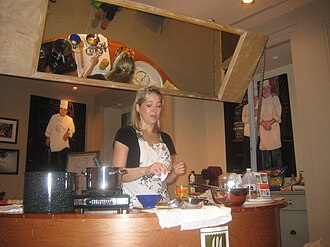
The museum frequently hosts weekend events, including rum tastings, beer-making workshops, and cooking demonstrations. For younger audiences, children's culinary camps teach cooking skills and food appreciation, while specialized lesson plans are provided to educators to integrate history and culture into their curricula through a culinary lens.
Research, Publications, and Preservation
SoFAB extends its influence through scholarly research and the documentation of foodways—the cultural, social, and economic practices relating to the production and consumption of food.
The SoFAB Research Center
Originally opened in 2013, the culinary library and archive are now located at Nunez Community College in Chalmette, Louisiana. This public resource houses over 40,000 volumes, including cookbooks and texts on food politics, nutrition, and agriculture, serving as a vital archive for scholars worldwide.
The National Culinary Heritage Register
The museum manages the National Culinary Heritage Register, the only register of its kind. It documents culinary commodities, inventions, and traditions at least fifty years old that have significantly contributed to American food history.
Media and Publications
- The SoFAB Cookbook: Released in June 2024, this collection shares recipes from every state in the American South.
- Red Beans and Ricely Yours: A reprint of Christopher Blake's 1982 cookbook featuring traditional New Orleans recipes.
- On the Line: An online blog featuring experts on Southern food, including a "Bread and Butter" column by Liz Williams focusing on food law.
- Nitty Grits: A monthly audio and visual podcast network exploring food and drink in New Orleans and globally.
| Category | Details |
|---|---|
| Location | Central City, New Orleans, Louisiana |
| Founded | 2004 |
| Key Galleries | Leah Chase Louisiana Gallery, Museum of the American Cocktail |
| Research Hub | SoFAB Research Center (Nunez Community College) |
| Notable Artifacts | Bruning's Bar (est. 1859) |
Frequently Asked Questions
What is the mission of the Southern Food & Beverage Museum?
The museum's mission is to explore the culinary history of the American Southern states and explain the roots of Southern food and drinks, focusing on cultural traditions, recipes, and the communities they create.
Where is the SoFAB Research Center located?
The research library and archive, which contains over 40,000 volumes, are currently located at Nunez Community College in Chalmette, Louisiana.
What is the National Culinary Heritage Register?
It is the first and only register dedicated to preserving the complex history of American food and beverage by listing commodities, processes, and traditions that are at least fifty years old.
Does the museum offer programs for children?
Yes, the museum hosts children's culinary camps to teach kids how to cook and appreciate food, and it provides lesson plans for teachers to use in the classroom.
What is the significance of Bruning's Bar?
Bruning's Bar dates back to 1859 and was salvaged from the wreckage of the third oldest restaurant in New Orleans after Hurricane Katrina; it is now a fully restored exhibit within the museum.