Southampton: The Gateway to the World
Known by its historic motto, "Gateway to the World," Southampton is a vibrant city and unitary authority located in South East England. Situated within the ceremonial county of Hampshire, this coastal hub has been a significant settlement since approximately AD 43. Today, it serves as a vital economic and cultural center, blending deep historical roots with modern maritime and academic excellence.
Whether you are interested in its medieval defenses, its role in global maritime history, or its bustling modern economy, Southampton offers a unique glimpse into the evolution of an English coastal powerhouse.
Key Facts
- Status: City and Unitary Authority
- Motto: Gateway to the World
- Population: 248,920 (2021 census)
- Settlement Date: c. AD 43
- GDP: US$ 51.6 billion
- Demonym: Sotonian
Geography and Climate
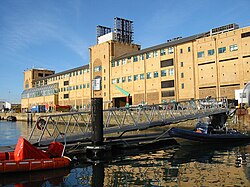
Southampton covers an urban area of approximately 28.1 square miles (72.8 km). The city's landscape is shaped by its proximity to the sea, which has dictated its development for centuries. The elevation sits at roughly 19 meters (62 ft) above sea level.
The local climate is characterized by moderate temperatures. According to historical data from 1991–2020, the warmest months typically see mean daily maximums around 22.6°C in July, while the coldest months, such as January, see mean daily maximums of approximately 8.8°C. Precipitation is distributed throughout the year, with October being a notably wetter month.
A Rich Historical Tapestry
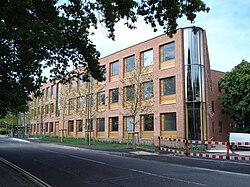
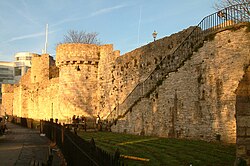
The history of Southampton spans from pre-Norman times through the medieval period and into the modern era. The city's medieval heritage is still visible today through its preserved town walls and historic structures.
Medieval and Post-Medieval Heritage
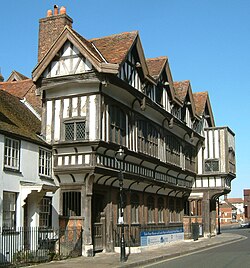
During the 14th and 15th centuries, Southampton was a significant port. Historical records mention early mayors such as William Maple and Walter Lange. The city's architectural legacy includes landmarks like the Tudor House in the city center, which offers a window into past eras.
20th Century and Maritime Legacy
The 20th century brought both tragedy and resilience to the city. Southampton is famously linked to the RMS Titanic, a connection honored by local memorials. The city also played a crucial role during wartime, as evidenced by the history of the Auxiliary Fire Service and the movement of evacuee children during and after the conflict.



Economy and Infrastructure

Southampton boasts a robust economy with a total GDP of approximately US$ 51.6 billion. The city's economic strength is driven by several key sectors, including business, construction, distribution, and finance.
Transport and Connectivity
As a major transport hub, Southampton is exceptionally well-connected:
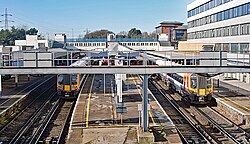
- Rail: Southampton Central provides links to London, the Midlands, Portsmouth, and Bournemouth.
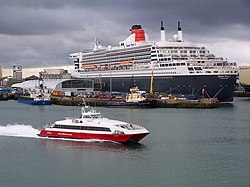
- Sea: The city is a premier destination for ocean and cruise shipping, featuring major terminals.
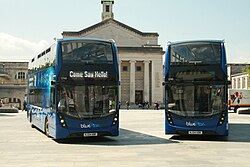
- Road and Bus: Extensive road networks and bus services, such as Bluestar, facilitate local and regional travel.
- Air: The city is served by regional aviation infrastructure.
Energy and Utilities
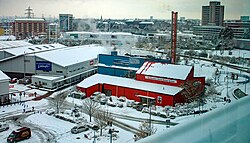
The city's infrastructure includes specialized facilities such as a geothermal power station to support local energy needs.
Culture, Education, and Sport

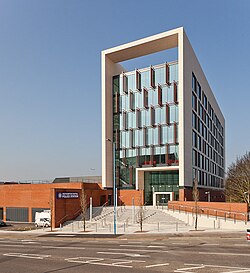
Southampton is a center for learning and leisure, home to the University of Southampton and various specialized academies. The education system includes 79 state-run schools, ranging from nursery and infant schools to secondary academies.
Arts and Entertainment
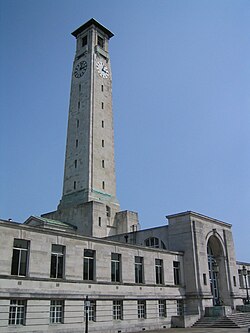
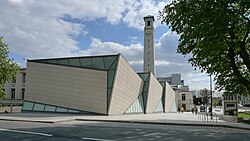
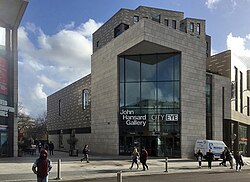
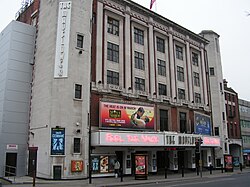
The city offers a diverse cultural scene, featuring venues like the Mayflower Theatre and the John Hansard Gallery. Museums such as SeaCity Museum provide insight into the city's maritime identity.
Sports and Recreation
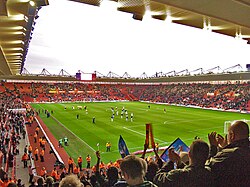
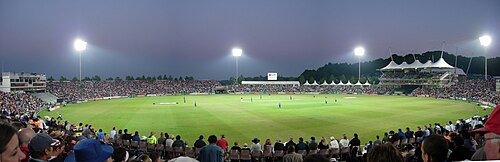
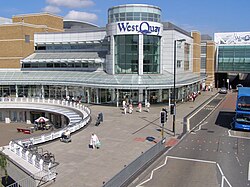
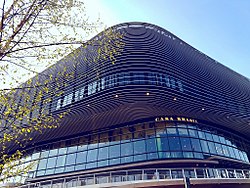
Sports enthusiasts can enjoy facilities such as St Mary's Stadium and The Utilita Bowl, which hosts international cricket matches. The city also features significant shopping destinations like Westquay.
Demographics and Society
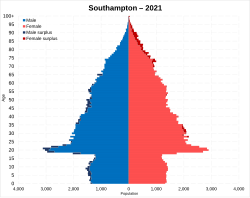
As of the 2021 census, the population of the city and unitary authority area was 248,920. The population is diverse, with ethnic groups including White (80.7%), Asian (10.6%), Black (3%), and Mixed (3.3%).
Religious affiliation in the city shows that 43.4% of residents identify as having no religion, while 40.1% identify as Christian. Other significant religious groups include Islam (5.6%), Sikhism (1.7%), and Hinduism (1.3%).
Summary of City Profile
| Category | Details |
|---|---|
| Governance | Southampton City Council (Unitary Authority) |
| Total Population (2021) | 248,920 |
| Major Economic Sectors | Business, Distribution, Finance, Construction |
| Primary Language/Demonym | English / Sotonian |
| Time Zone | UTC+0 (GMT) / UTC+1 (BST) |
Frequently Asked Questions
What is the meaning of the motto "Gateway to the World"?
The motto refers to Southampton's historic and ongoing role as a major international port and a vital link for global maritime trade and travel.
How is Southampton governed?
Southampton is a unitary authority governed by the Southampton City Council, which operates under a Leader and Cabinet leadership model.
What are the main transport links in the city?
The city is served by Southampton Central railway station, major road networks, extensive bus services, and significant ocean and cruise shipping terminals.
Is Southampton a large city?
As of 2021, the city and unitary authority area has a population of 248,920, with a larger metropolitan area in South Hampshire estimated at 1,547,000.
What is the significance of the Titanic to Southampton?
Southampton has a deep historical connection to the RMS Titanic, serving as a key port for the vessel, and the city maintains memorials to honor this maritime history.