Sopaipillas: The Diverse Fried Pastries of the Americas
Across the Americas, from the high deserts of New Mexico to the rainy plains of Uruguay, a beloved tradition of fried dough persists. Known by many names—sopaipilla, sopapilla, torta frita, or cachanga—this versatile quick bread is a staple of regions with Spanish heritage. Whether served as a savory appetizer, a hearty main course, or a sweet dessert, these pastries represent a blend of cultural history and culinary adaptation.
The term sopaipilla is a diminutive of sopaipa, which entered the Spanish language from Mozarabic (the romance language of Al-Andalus). This, in turn, evolved from the Germanic word suppa, meaning bread soaked in liquid. Historically, frying cakes served as a primitive alternative to baking, requiring only a heat source and a vessel, leading to the independent development of similar dishes across various global cultures.
Key Facts
- Core Ingredients: Typically made from leavened wheat dough or a blend of wheat flour and masa harina (corn flour), combined with shortening or butter.
- Preparation: The dough is rolled, cut into shapes, and deep-fried, often puffing up to create a hollow center.
- Regional Names: Called torta frita in Argentina and Uruguay, cachanga in Peru, and sopapillas in the Southwestern United States.
- Versatility: Served as both sweet (with honey or syrup) and savory (with chili, cheese, or sauces).
Regional Variations and Traditions
Chile: Pumpkin and Rain
In Chile, sopaipillas have been enjoyed since at least 1726. In the central region, the dough is often enriched with cooked ground pumpkin (zapallo). These pastries are typically round, flat, and pricked with a fork. They are famously eaten during rainy days and are popular street foods during winter.
Chilean variations include serving them with pebre (a sauce of chili, onion, garlic, and coriander) or boiling them in chancaca sauce—a hot syrup made from panela, cinnamon, and orange peel. When served in this syrup, they are called sopaipillas pasadas.
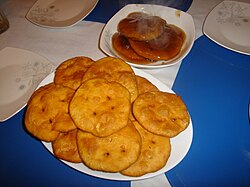
In the Chiloé Archipelago, the pastries take a rhomboid shape and are a key part of reitimientos, traditional feasts centered around rendering fats from pig slaughter.
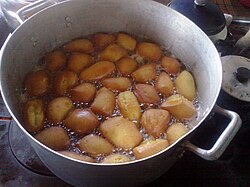
Argentina and Uruguay: Torta Frita
In Argentina, these are known as torta frita, sopaipa, or kreppel (derived from the German Kreppel). In Uruguay, the torta frita is made from flour, salt, water, and tallow. These are stretched into large, thin sheets (20–25 cm) and fried in tallow. While usually salty, they are sometimes topped with sugar or quince cheese and, like in Chile, are traditionally prepared on rainy days.
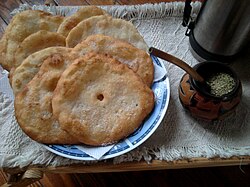
Peru: The Cachanga
Peruvian cachangas are distinct for being larger, thinner, and more rigid than other versions. Often eaten at breakfast, they can be sweet or sour, with some regional recipes incorporating cinnamon.
United States: New Mexican and Tex-Mex Styles
In New Mexican cuisine, sopapillas are pillow-shaped and often used as a bread to mop up sauces or shredded into stews. While frequently served as an appetizer with honey, a modern innovation in northern New Mexico involves filling them with ground beef or chicken, topping them with chile and cheese, and serving them as an entree with lettuce and tomato.
In Tex-Mex cuisine, they are almost exclusively a dessert, coated in cinnamon sugar and served with honey. In Texas and Oklahoma, they are often part of a complimentary meal "set-up." Notably, the sopapilla shared the title of Texas state pastry with the strudel from 2003 to 2005.
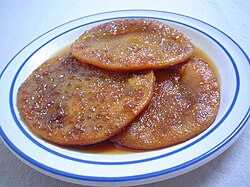
Sopaipilla Comparison Summary
| Region | Common Name | Key Ingredients/Features | Typical Serving Style |
|---|---|---|---|
| Central Chile | Sopaipilla | Wheat dough, pumpkin | With pebre or chancaca sauce |
| Uruguay | Torta Frita | Flour, salt, water, tallow | Salty or with quince cheese |
| Peru | Cachanga | Thin, rigid dough | Breakfast (sweet or sour) |
| New Mexico | Sopapilla | Pillow-shaped dough | With honey or savory fillings |
| Texas | Sopapilla | Puffed pastry | Cinnamon sugar and honey |
Frequently Asked Questions
What is the difference between a sopaipilla and a donut?
While both are fried dough, sopaipillas are typically considered a type of quick bread or pastry. Unlike donuts, they are often unsweetened in the dough and are frequently served as a savory accompaniment to meals or as a vessel for sauces.
What is chancaca sauce?
Chancaca sauce is a traditional Chilean hot syrup made from panela (unrefined cane sugar), cinnamon, and orange peel, used specifically to boil sopaipillas to create sopaipillas pasadas.
Why are they eaten on rainy days in Chile and Uruguay?
It is a widespread cultural tradition in both countries to prepare these fried pastries as a comforting snack during days of heavy rain.
What is masa harina?
Masa harina is a corn flour used in some sopaipilla recipes, particularly in North American variations, to provide a specific texture and flavor distinct from pure wheat flour.
How are New Mexican sopapillas different from Tex-Mex ones?
New Mexican sopapillas are versatile and can be served as a savory bread, a filled entree, or a dessert. Tex-Mex sopapillas are almost exclusively served as a sweet dessert coated in cinnamon sugar.