Socialism: Economic Theories, Political Philosophies, and Global Evolution
Socialism is a broad economic ideology and political philosophy centered on the social ownership of the means of production. Unlike capitalism, which relies on private ownership, socialism advocates for systems where the tools of production—such as factories, land, and capital—are owned by the community, the state, or the employees themselves. As a cornerstone of left-wing politics globally, it encompasses a wide array of theories and movements aimed at restructuring society to prioritize social welfare over private profit.
At its core, social ownership can manifest in several forms, including public, community, collective, cooperative, or employee-led management. The specific application of these ideas varies significantly depending on how a society handles resource allocation and the role of market mechanisms.

Key Facts

- Core Principle: Social ownership of the means of production as an alternative to private ownership.
- Primary Goal: To address social problems associated with capitalism and promote social justice.
- Economic Models: Divided primarily into non-market (planned) and market-based socialist systems.
- Political Spectrum: Serves as the standard left-wing ideology in most countries.
- Diverse Forms: Includes variations such as social democracy, democratic socialism, and communism.
The Evolution of Socialist Thought
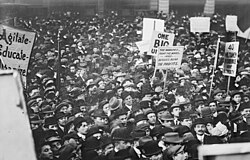
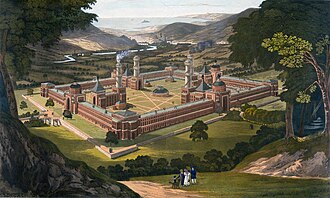
The socialist movement emerged from revolutionary currents in the mid-to-late 18th century, driven by a desire to solve the social inequities produced by early industrial capitalism. By the late 19th century, the work of Karl Marx and Friedrich Engels shifted the movement toward a more structured anti-capitalist framework, advocating for a post-capitalist system based on social ownership.
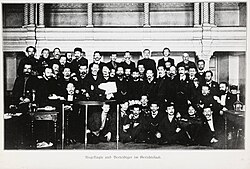
By the early 20th century, the movement split into two dominant tendencies: communism and social democracy. While some sought a total revolutionary overhaul of the state, others pursued gradual reform. This era saw the rise of various influential figures and movements, from the ethical socialism of R. H. Tawney to the early workers' councils known as soviets.
Diverse Ideological Branches
Socialism is not a monolith but a collection of diverse philosophies:
- Social Democracy: Originally part of the socialist movement, it evolved in the post-war era to support a mixed economy. It utilizes Keynesianism (economic policies to manage demand) within a capitalist framework to provide income redistribution and a robust welfare state.
- Democratic Socialism: Advocates for a socialist economy achieved through democratic political processes.
- Anarchism: A branch that seeks the abolition of the state alongside private property, often utilizing symbols like the circled letter 'A'.
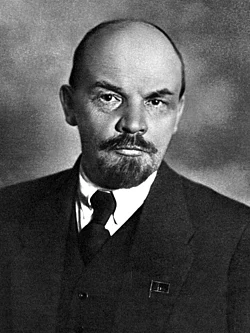
- Leninism: A revolutionary approach to implementing socialism, developed by Vladimir Lenin.

Economic Models of Socialism
Socialist economies are generally categorized by how they allocate resources and determine prices.
Non-Market Socialist Systems
These systems aim to eliminate the unpredictability and crises associated with capital accumulation and the profit motive. They often rely on a planned economy, where the state or a central authority directs production and distribution.

Market Socialism
Market socialism attempts to combine social ownership with the efficiency of the market. It retains the use of monetary prices, factor markets, and sometimes the profit motive, but removes large-scale private ownership of capital.
| Feature | Non-Market Socialism | Market Socialism |
|---|---|---|
| Resource Allocation | Central Planning | Market Mechanisms/Prices |
| Profit Motive | Generally Eliminated | Sometimes Retained |
| Ownership | State or Collective | Social or Cooperative |
| Primary Goal | Stability and Rationality | Efficiency and Social Equity |
Global Implementation and Impact

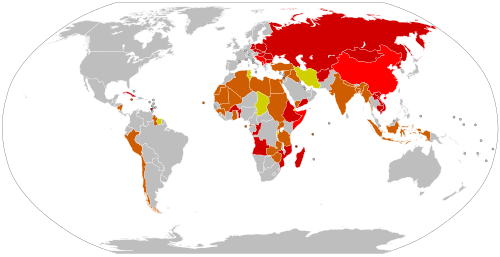
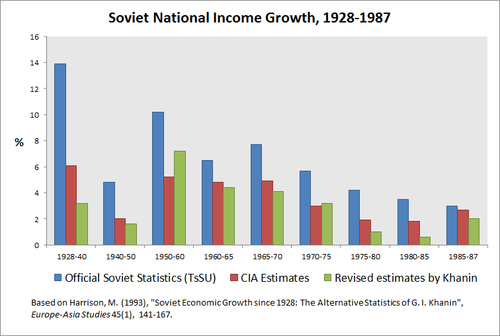
Throughout the 20th century, socialism became one of the most influential secular movements in history. In the Soviet Union, the planned economy achieved significant early growth and technological milestones, such as the launch of Sputnik 1, though it eventually faced severe economic problems.

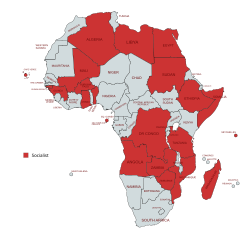
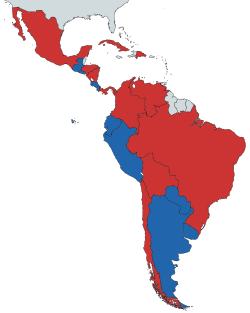
The reach of socialism extended across the globe. In Africa, approximately 35 countries adopted forms of socialism between the 1950s and 1980s. In Latin America, the "pink tide" represents a more recent wave of socialist-leaning governments. Additionally, unique variations like Islamic Socialism emerged in regions such as Turkey.
Beyond government policy, socialism has frequently overlapped with other social movements, including feminism, environmentalism, and progressivism, reflecting a broader commitment to social justice and human rights.
Frequently Asked Questions
![The first anarchist journal to use the term libertarian was Le Libertaire, Journal du Mouvement Social, published in New York City between 1858 and 1861 by French libertarian communist Joseph Déjacque,[179] the first recorded person to describe himself as libertarian.[180]](/images/d9/27/d9275507f448aec76ffaf0f84f18626dfb67a686ad65ec26be2458d1c1ff0d72.png)


What is the difference between socialism and communism?
While both advocate for social ownership, a common distinction is that socialism socializes production, whereas communism socializes both production and consumption. In modern terms, communism often refers specifically to the ideology of Marxism-Leninism.
What is a mixed economy in social democracy?
A mixed economy combines elements of both capitalism and socialism. It allows for a predominantly capitalist market but includes significant state intervention, such as regulation, income redistribution, and the provision of public welfare services.
How does market socialism work?
Market socialism replaces large-scale private ownership of capital with social ownership (such as cooperatives or state ownership) but continues to use market prices and competition to allocate goods and services.
What are the means of production?
The means of production refer to the physical and non-financial inputs used in the production of goods and services, including factories, machinery, land, tools, and raw materials.
What was the role of the soviets in early socialism?
Soviets were workers' councils that served as early examples of direct worker management and political organization, most notably during the Russian revolutionary period.