Sir William Jackson Hooker: The Visionary Architect of Kew Gardens
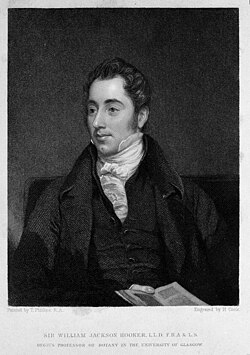
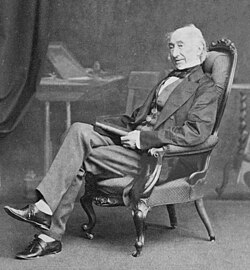
In the history of natural science, few figures have shaped the landscape of modern botany as profoundly as Sir William Jackson Hooker. A dedicated botanist, skilled illustrator, and transformative leader, Hooker was instrumental in turning the Royal Botanic Gardens, Kew, into a world-renowned center of scientific excellence. From his early studies of mosses to his tenure as the first full-time Director of Kew, his life was a testament to the pursuit of botanical knowledge.
Key Facts
- Born: 6 July 1785, Norwich, England
- Died: 12 August 1865, Richmond upon Thames, UK
- Major Role: First full-time Director of the Royal Botanic Gardens, Kew (appointed 1841)
- Scientific Focus: Botany, specifically mosses (bryology), liverworts, and ferns
- Key Achievement: Founded the Kew Herbarium and expanded the gardens into a global botanical network
- Legacy: The botanical author abbreviation "Hook." is used to denote his contributions
Early Life and Scientific Foundations
Born in Norwich, England, William Jackson Hooker developed an early fascination with natural history and entomology (the study of insects). Following an inheritance that allowed him to pursue his passions, he dedicated himself to the rigorous study of plants. His early career was marked by both adventure and resilience; notably, he survived a dangerous adder bite in 1807, an event that led him to the home of Dawson Turner, who would later become a significant figure in his life.
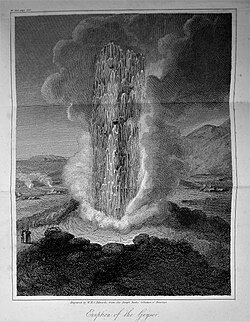
Hooker's early expeditions were pivotal. In 1809, at the suggestion of Sir Joseph Banks, he traveled to Iceland. Although his original notes and specimens were lost during the voyage home, the experience contributed to his growing reputation. He also conducted significant work in Scotland, where he discovered the moss species Andreaea nivalis on Ben Nevis.
Academic Success in Glasgow
Before his transformative years at Kew, Hooker served as the Regius Professor of Botany at Glasgow University. During this period, he was recognized as one of the most active botanists in the country. He was a pioneer in botanical education, using plant drawings in his classroom and organizing field trips to enhance student learning. Under his guidance, student enrollment grew from 30 to 130 within a decade.
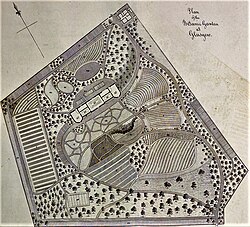
His time in Glasgow was incredibly productive, resulting in the publication of Flora Scotica (1821) and his work in establishing the Royal Botanic Institution of Glasgow. It was also during this era that he worked closely with the lithographer Thomas Hopkirk to develop the city's Botanic Gardens.
Transforming Kew Gardens
In 1841, Hooker reached the pinnacle of his career when he was appointed the first full-time Director of the Royal Botanic Gardens, Kew. At the time, the gardens were transitioning toward state ownership to serve as a national botanical institution. Hooker brought immense drive and creative ability to the role, overseeing a massive expansion of the site.
Under his leadership, the gardens grew from 11 acres to 15 acres, and he introduced a massive 270-acre arboretum. He was responsible for the construction of new glasshouses, including the iconic Palm House in 1843, and the establishment of a museum of economic botany—the study of how plants can be used for commercial and medicinal purposes. He also founded the Kew Herbarium, a vital repository for plant specimens.
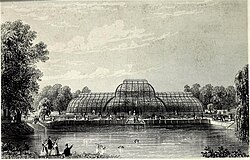
Hooker's vision extended beyond the physical gardens. He turned Kew into a global hub, creating an interconnected network of botanical expertise. Plants were propagated at Kew and sent to gardens worldwide, often to be developed as essential crops. This made Kew a central authority for government botanical inquiries and international scientific exchange.
Scientific Legacy and Publications
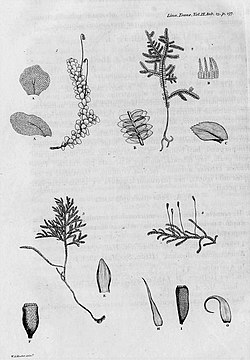
Hooker was a prolific author, publishing over 20 major botanical works. His expertise in cryptogams (plants that reproduce via spores, such as mosses and ferns) was particularly noted. His significant works include:
- British Jungermanniae (1816)
- Muscologia Britannica (1818)
- Flora Scotica (1821)
- Species Filicum (1846–1864)
His influence is also immortalized in taxonomy. Numerous plant species bear the specific epithet hookeri in his honor, such as Iris hookeri and Drosera hookeri.
Summary of Career and Impact
| Category | Details |
|---|---|
| Primary Fields | Botany, Bryology (mosses), and Botanical Illustration |
| Key Institutions | Kew Gardens, Glasgow University, Royal Botanic Institution of Glasgow |
| Major Contributions | Founding the Kew Herbarium, expanding Kew Gardens, and global botanical networking |
| Notable Family | Son Joseph Dalton Hooker (also a renowned botanist and Kew Director) |
Frequently Asked Questions
What was Sir William Jackson Hooker's most significant achievement?
His most significant achievement was serving as the first full-time Director of the Royal Botanic Gardens, Kew, where he transformed the site from a small royal garden into a world-leading scientific institution and established the Kew Herbarium.
What does the abbreviation "Hook." mean in botany?
In botanical nomenclature, "Hook." is the standard author abbreviation used to indicate that William Jackson Hooker is the author of a specific botanical name.
How did Hooker influence the global botanical community?
He established Kew as a central node in a worldwide network, facilitating the exchange of plant specimens and expertise, and helping to develop plants as crops for gardens and agricultural use across the globe.
Was botany a family profession for the Hookers?
Yes. His son, Joseph Dalton Hooker, followed in his footsteps to become a distinguished botanist and eventually succeeded his father as the Director of Kew Gardens.
What types of plants did he specialize in?
Hooker specialized in cryptogamic plants, with significant expertise in mosses, liverworts, and ferns.