Sigmund Freud: The Architect of Psychoanalysis
Sigmund Freud was a pioneering neurologist and the founder of psychoanalysis, a clinical method for treating psychopathology through dialogue between a patient and a psychoanalyst. His work fundamentally altered the way humanity perceives the mind, shifting the focus from purely biological neurology to the complex, often hidden depths of the human psyche.
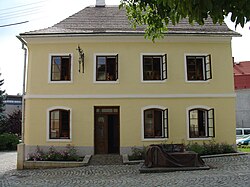
Born as Sigismund Schlomo Freud in Freiberg, Austrian Empire, Freud's journey took him from the medical halls of the University of Vienna to the final years of his life in London. His theories on the unconscious, dreams, and the structural model of the mind continue to influence psychology, literature, and philosophy today.
Key Facts
![André Brouillet's A Clinical Lesson at the Salpêtrière (1887) depicting a Charcot demonstration. Freud had a lithograph of this painting placed over the couch in his consulting rooms.[67]](/images/a2/2f/a22fbbf1d407ffb27a578a5f768c5bb4856a65b25a75c29d399850c3362a1421.jpg)
- Founder: Established the field of psychoanalysis.
- Education: Earned his MD from the University of Vienna.
- Core Theory: Proposed that human behavior is influenced by the unconscious mind.
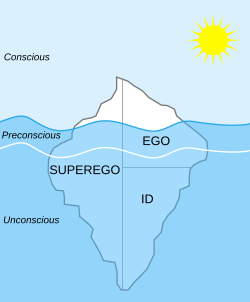
- Structural Model: Divided the psyche into the Id, Ego, and Superego.
- Major Work: Authored The Interpretation of Dreams (1899).
- Final Years: Escaped Nazi-occupied Austria to settle in Hampstead, London.
Early Life and Medical Career
Freud's early years were spent in the Austrian Empire, where he developed a keen interest in science and medicine. After studying at the University of Vienna, he initially focused on neurology, exploring the physical mechanisms of the brain and the nature of aphasia (a language disorder).
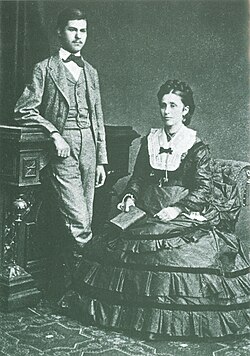
During his early career, Freud's interests shifted toward the psychological roots of physical symptoms. His collaboration with Josef Breuer led to the publication of Studies on Hysteria (1895), marking the beginning of his transition from neurology to psychotherapy. He became fascinated by how repressed memories and emotional trauma could manifest as physical ailments.
The Development of Psychoanalysis
Freud's most significant contribution was the discovery of the unconscious—a reservoir of feelings, thoughts, and urges that exist outside of our conscious awareness. He believed that these hidden elements drive human behavior and that bringing them to light was the key to healing.
The Structural Model of the Psyche
To explain the internal conflicts of the mind, Freud proposed a tripartite model:
- The Id: The primitive and instinctive component, operating on the pleasure principle.
- The Ego: The rational part of the mind that mediates between the Id and the external world.
- The Superego: The moral center, incorporating societal standards and parental values.
Dreams and the Unconscious
Freud viewed dreams as the "royal road to the unconscious." In his seminal work, The Interpretation of Dreams, he argued that dreams are forms of wish fulfillment, where repressed desires are expressed through symbolic imagery.
Clinical Practice and Influence
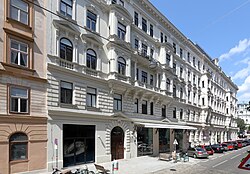
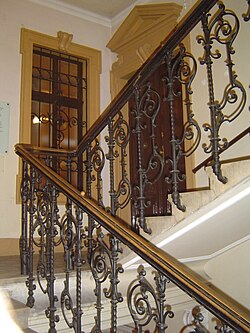
Freud established his consulting rooms at Berggasse 19 in Vienna, where he developed the "talking cure." He utilized techniques such as free association, encouraging patients to speak freely to uncover hidden psychic conflicts.
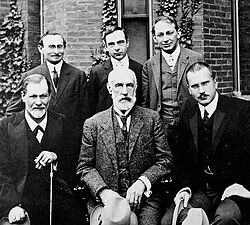
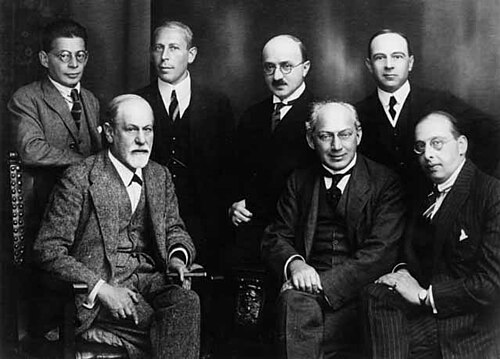
His influence extended to a circle of early followers and collaborators, including Carl Jung and Sándor Ferenczi. However, as his theories evolved, several colleagues resigned from the International Psychoanalytical Association (IPA) due to theoretical disagreements, particularly regarding Freud's emphasis on psychosexual development.
Later Life and Legacy
In his later years, Freud suffered from jaw cancer, a grueling condition that required numerous surgeries. As the political climate in Austria darkened with the rise of the Nazi party, Freud was eventually forced to flee Vienna in 1938.
He spent his final days in Hampstead, London, where he continued to write and analyze until his death on September 23, 1939, at the age of 83.

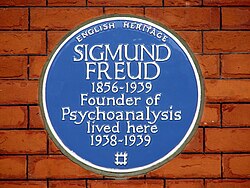
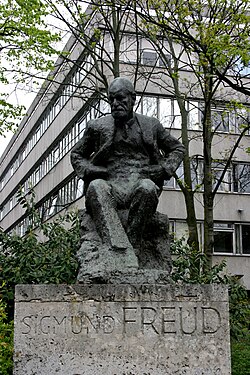
Freud's legacy is vast but debated. While some modern psychologists criticize his views on femininity and the lack of empirical evidence for some of his claims, his impact on the humanities and the birth of psychotherapy is undeniable.
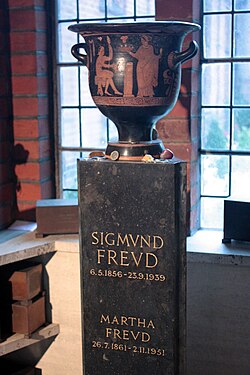
He is buried in the "Freud Corner" at Golders Green Crematorium in London.
Summary of Freud's Life and Work
| Category | Details |
|---|---|
| Primary Field | Neurology and Psychoanalysis |
| Key Concepts | Unconscious, Id/Ego/Superego, Oedipus Complex, Dream Analysis |
| Major Publications | The Interpretation of Dreams, Civilization and Its Discontents, The Ego and the Id |
| Notable Patients/Cases | Dora, Little Hans, The Rat Man, The Wolfman |
| Major Award | Goethe Prize (1930) |
Frequently Asked Questions
What is the difference between the Id, Ego, and Superego?
The Id represents our basic instincts and desires; the Superego represents our internalized moral standards and ideals; and the Ego acts as the rational mediator that balances the two while dealing with reality.
How did Freud view the role of dreams?
Freud believed dreams were symbolic expressions of repressed unconscious wishes. By analyzing these symbols, he believed a therapist could uncover the patient's hidden conflicts.
Why did Freud leave Vienna for London?
Freud was forced to leave Vienna in 1938 to escape persecution by the Nazi regime, which targeted Jewish intellectuals and banned his works.
What was the "talking cure"?
The talking cure refers to the process of psychotherapy where patients describe their thoughts and feelings—often through free association—to resolve psychological distress by making the unconscious conscious.
Is psychoanalysis still used today?
While traditional Freudian psychoanalysis has evolved into various forms of psychodynamic therapy, the core idea that early childhood experiences and unconscious processes influence adult behavior remains influential in modern psychology.