Sierra de la Plata: The Mythical Mountain of Silver that Shaped South America
For centuries, the lure of unimaginable wealth drove explorers into the deepest reaches of the South American interior. At the heart of these ambitions was the Sierra de la Plata (Mountain of Silver), a mythical source of precious metals said to be ruled by a mysterious "White King." While the mountain itself proved to be a legend, the obsession with finding it fundamentally altered the map of the continent.
The quest for this silver paradise led to the exploration of vast river systems, the founding of major cities, and the eventual establishment of the Viceroyalty of the Río de la Plata. From shipwrecked castaways to royal expeditions, the pursuit of the Sierra de la Plata is a saga of ambition, tragedy, and accidental discovery.
Key Facts
- The Legend: Based on indigenous stories of a silver mountain and a "White King" with a silver throne.
- Naming Legacy: The legend gave its name to the Río de la Plata (Silver River) and the country of Argentina (from argentum, Latin for silver).
- Key Figures: Early explorers included Aleixo Garcia, Sebastian Cabot, and Pedro de Mendoza.
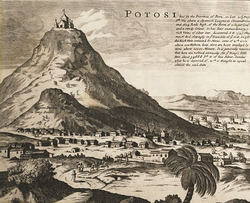
- Actual Discovery: The myth likely referred to the Cerro Rico de Potosí in Bolivia, discovered by Spanish forces in 1545.
- Geopolitical Impact: The search led to the founding of Asunción and Buenos Aires.
Origins of the Legend
The Voyages of Juan Díaz de Solís
The myth began in the early 16th century with Juan Díaz de Solís. In 1512, Solís encountered a massive estuary he called the Mar Dulce (Freshwater Sea), known today as the Río de la Plata. While he initially suspected it was a strait to the Pacific, his return in 1516 ended in tragedy when he and his landing party were killed by the Guaraní people.
Aleixo Garcia's Trek
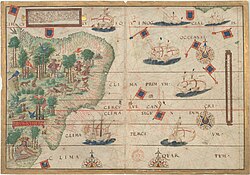
Following the Solís expedition, a vessel shipwrecked off Santa Catarina Island, Brazil. One survivor, a Portuguese explorer named Aleixo Garcia, befriended the local Tupí-Guaranís and learned of a distant mountain of shining metals. Garcia led a daring expedition across the continent, eventually reaching the Andean altiplano. Although Garcia was killed in an ambush by the Payaguá people in Paraguay during his return journey, survivors brought back pieces of precious metal, providing the first physical evidence that the legend had a basis in reality.
The Great Search for Silver
Sebastian Cabot and the First Settlements
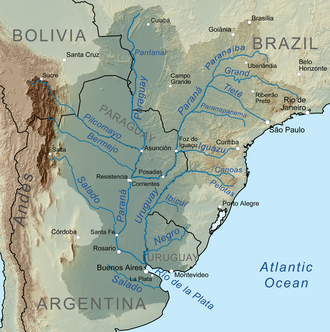
In 1526, Venetian explorer Sebastian Cabot abandoned his mission to the Molucca Islands to pursue the Sierra de la Plata. Guided by Francisco del Puerto—the sole survivor of Solís's landing party—Cabot explored the Paraná and Uruguay rivers.
Cabot established Sancti Spiritu in 1527, the first European settlement in the Río de la Plata basin. Despite reaching the Paraguay River and hearing rumors of the "City of the Caesars" (a legendary city of riches), Cabot's expedition failed due to hunger, disease, and indigenous attacks that destroyed his fort.
Pedro de Mendoza and the Founding of Buenos Aires
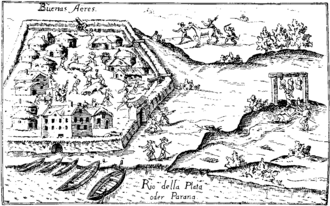
In 1534, King Charles I commissioned Pedro de Mendoza to conquer the region. Leading 1,200 men, Mendoza founded Santa María de los Buenos Ayres in 1536. The settlement suffered immensely; after conflict with the local Querandís, the colonists faced a brutal siege and famine, eventually resorting to eating their horses and the dead.
Juan de Ayolas and the Push Inland
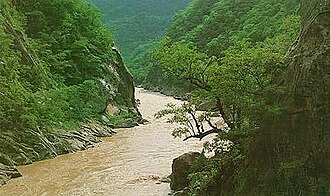
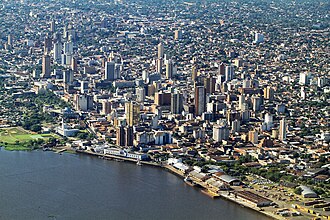
While Mendoza struggled in Buenos Aires, Juan de Ayolas pushed further up the Paraguay River. He founded the port of Candelaria and claimed to have reached a mountainous area where precious metals were mined. However, Ayolas and nearly his entire party were killed in a conflict with the Payaguas. This era also saw the establishment of Nuestra Señora de la Asunción (modern-day Asunción) in 1537 by Juan de Salazar Espinosa.
Later Expeditions and Political Conflict
Cabeza de Vaca and Irala
The search continued under Álvar Núñez Cabeza de Vaca, who arrived in Asunción in 1542 after a grueling overland trek through the jungle. He clashed with the local colonists, who had integrated with indigenous populations. Cabeza de Vaca was eventually overthrown and imprisoned by the men of Domingo Martínez de Irala.
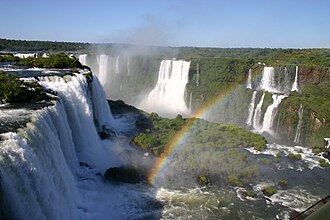
Irala later led massive expeditions of Spanish and indigenous soldiers toward the "Land of Riches" and "Paititi." These efforts were ultimately halted by the governor of Peru, who claimed the region fell under his jurisdiction. Irala eventually became the governor of New Andalusia, and Paraguay entered a period of isolation.
The Reality: Cerro Rico de Potosí
The mystery of the Sierra de la Plata was solved not from the Atlantic, but from the Pacific. In 1545, a Spanish expedition from Peru discovered Cerro Rico de Potosí in Bolivia. This massive silver deposit was the largest in the world and is widely believed to be the actual source of the legends that had driven explorers for decades.
The "White King" of the myths likely corresponded to the Inca emperor Huayna Cápac. Because the Spanish and Portuguese were initially unaware of the Inca Empire's extent, they spent years searching for the silver from the wrong side of the continent.
| Explorer | Key Contribution/Event | Outcome |
|---|---|---|
| Juan Díaz de Solís | Named the Mar Dulce (Río de la Plata) | Killed by Guaranís |
| Aleixo Garcia | First to reach the Andean altiplano | Killed in Payaguá ambush |
| Sebastian Cabot | Founded Fort Sancti Spiritu | Failed to find silver; returned to Europe |
| Pedro de Mendoza | Founded Buenos Aires (1536) | Died at sea after failed colonization |
| Juan de Ayolas | Founded port of Candelaria | Killed by Payaguas |
| Domingo Martínez de Irala | Established Asunción as headquarters | Named Governor of New Andalusia |
Frequently Asked Questions
What was the Sierra de la Plata?
The Sierra de la Plata, or "Mountain of Silver," was a mythical region in the interior of South America rumored to contain vast amounts of silver and ruled by a "White King."
Did the Sierra de la Plata actually exist?
While the specific mythical mountain did not exist as described, the legend was likely based on the real silver deposits of Cerro Rico de Potosí in modern-day Bolivia.
How did this legend affect the naming of Argentina?
The name "Argentina" is derived from the Latin word argentum, meaning silver, reflecting the long-standing belief that the region was rich in the precious metal.
Which cities were founded because of the search for silver?
The search led to the founding of Asunción in Paraguay and Buenos Aires in Argentina, both of which served as bases for inland exploration.
Who was the first European to reach the Andean altiplano from the Atlantic?
Aleixo Garcia, a Portuguese castaway, is credited with crossing most of the continent to reach the Andean highlands in the early 16th century.