Shoshone History: From Great Basin Dominance to the Wind River Reservation
The Shoshone are a Native American people whose ancestral roots lie in the western Great Basin. Over centuries, they expanded their influence northward and eastward into the territories now known as Idaho and Wyoming. Their history is one of strategic adaptation, territorial expansion, and a complex relationship with both rival tribes and European American settlers.
Rise to Power and Territorial Expansion
By 1500, groups of Eastern Shoshone had crossed the Rocky Mountains to enter the Great Plains. They became one of the first northern tribes to integrate firearms and horses into their economy, hunting practices, and warfare. This technological advantage allowed the Shoshone to become a dominant and feared power in the region.
While the Eastern Shoshone used their mastery of horsemanship to expand deep into the northern plains, another branch migrated as far south as Texas, eventually emerging as the Comanche by 1700.
However, this dominance shifted after 1750. As other tribes adapted, the Shoshone's military advantage diminished. Pressure from the Lakota, Cheyenne, Arapaho, Crow, and Blackfoot tribes pushed the Eastern Shoshone south and west toward the Rocky Mountains. This period of conflict continued until the establishment of the Shoshone Reservation on the Wind River in the 1860s.
Conflict and the Era of Westward Expansion
The mid-19th century brought an influx of European American settlers, leading to intense competition for resources and land. This friction sparked numerous wars throughout the latter half of the century.
In Idaho, the Northern Shoshone, led by Chief Pocatello, fought against settlers during the 1860s. As settlers encroached further into traditional hunting grounds, the Shoshone responded by attacking immigrants and raiding farms and ranches for food. The city of Pocatello was later named in honor of the chief.
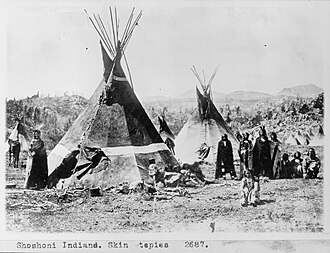
The Bear River Massacre
One of the most tragic events in Shoshone history occurred in 1863 during the Bear River Massacre. US forces attacked a winter encampment of Northwestern Shoshone in present-day Franklin County, Idaho. The assault resulted in the deaths of an estimated 250 Shoshone, many of whom were non-combatants and children. This event remains the deadliest encounter between the Shoshone and United States forces, with 21 US soldiers also killed in the fighting.
The Snake and Bannock Wars
During the American Civil War, Shoshone and Ute groups targeted mail routes running west from Fort Laramie, forcing the relocation of the route south through Wyoming. Between 1864 and 1868, the Northern and Western Shoshone, allied with the related Bannock people, fought the United States in the Snake War. This alliance continued into 1878 during the Bannock War.
Strategic Alliances and Later Conflicts
Not all Shoshone groups fought the US government. From 1863 onward, the Eastern Shoshone, under the leadership of Chief Washakie, formed an alliance with the Americans. This partnership was solidified through treaties at Fort Bridger in 1863 and 1868. In 1876, the Eastern Shoshone fought alongside the US Army during the Battle of the Rosebud against their traditional rivals, the Lakota and Cheyenne.
Other smaller conflicts persisted, such as the Sheepeater Indian War in 1859, involving a band of approximately 300 Eastern Shoshone known as "Sheepeaters." This marked the final Indian war fought in the Pacific Northwest region of the United States.
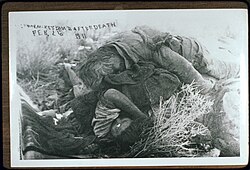
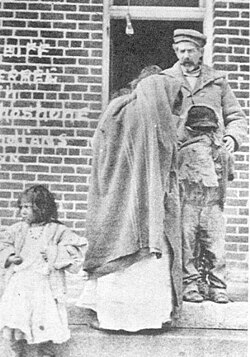
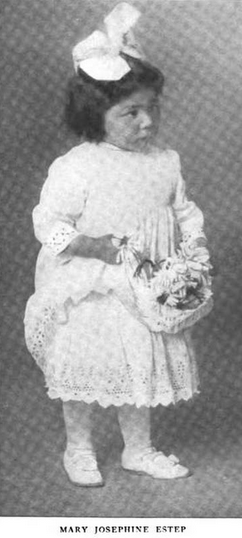
One of the last violent encounters occurred in February 1911 in Washoe County, Nevada. A small group of Bannock led by Mike Daggett (also known as Shoshone Mike) killed four ranchers. A settler posse pursued the group, resulting in the Battle of Kelley Creek on February 25, 1911. Mike Daggett and seven members of his band were killed, while one posse member, Ed Hogle, died. The posse captured several survivors, including an infant, Mary Jo Estep, who survived until 1992.
Repatriation and Preservation
Following the 1911 conflict, the remains of several individuals believed to be Mike Daggett and his family were donated to the Smithsonian Institution. In 1994, these remains were repatriated to the Fort Hall Idaho Shoshone-Bannock Tribe.
In 2008, the Northwestern Band of the Shoshone Nation acquired the site of the Bear River Massacre. The tribe has since worked with state leaders and the American West Heritage Center to preserve this holy land, build a memorial, and advance economic goals through tribal renewable energy.
![Rabbit-Tail or Moragootch (information varies[3][4]).](/images/f8/9e/f89ec925d7bcf8bbff7ba758e76e5359d289b883fff39cd6ee8a86b42d4f8fed.jpg)
Key Facts
- Ancestral Origin: Western Great Basin, later expanding to Idaho, Wyoming, and the Great Plains.
- Military Innovation: Early adopters of horses and firearms, leading to regional dominance.
- Major Conflicts: The Snake War (1864–1868), the Bannock War (1878), and the Sheepeater Indian War (1859).
- Deadliest Event: The Bear River Massacre (1863), with approximately 250 Shoshone killed.
- Key Leaders: Chief Pocatello (Northern Shoshone) and Chief Washakie (Eastern Shoshone).
- Comanche Connection: A southern branch of the Shoshone emerged as the Comanche by 1700.
Summary of Shoshone Historical Eras
| Period/Date | Event/Phase | Key Outcome |
|---|---|---|
| By 1500 | Great Plains Migration | Eastern Shoshone cross the Rockies; adopt horses and firearms. |
| By 1700 | Southern Migration | A branch of the Shoshone becomes the Comanche in Texas. |
| 1863 | Bear River Massacre | Highest loss of life for the Shoshone at the hands of US forces. |
| 1864–1868 | Snake War | Northern and Western Shoshone/Bannock fight US forces. |
| 1860s | Wind River Reservation | Establishment of a permanent homeland for Eastern Shoshone. |
| 1911 | Battle of Kelley Creek | Death of Mike Daggett and most of his Bannock band. |
| 2008 | Site Acquisition | Northwestern Band acquires the Bear River Massacre site. |
Frequently Asked Questions
Who were the Sheepeaters?
The Sheepeaters were a band of approximately 300 Eastern Shoshone who were involved in the Sheepeater Indian War of 1859, the last Indian war fought in the Pacific Northwest region of the United States.
What was the significance of Chief Washakie?
Chief Washakie led the Eastern Shoshone in an alliance with the American government starting in 1863, securing treaties at Fort Bridger and fighting alongside the US Army against the Lakota and Cheyenne in 1876.
How did the Shoshone relate to the Comanche?
The Comanche emerged by 1700 as a separate group after a branch of the Shoshone migrated as far south as Texas.
What happened to the remains of Mike Daggett's family?
The partial remains of several adults and children were held by the Smithsonian Institution for study until they were repatriated to the Fort Hall Idaho Shoshone-Bannock Tribe in 1994.
What is the current status of the Bear River Massacre site?
The site is owned by the Northwestern Band of the Shoshone Nation, who use it as a holy land and a location for a memorial to the victims of the massacre.