Shinto: The Indigenous Nature Religion of Japan
Shinto, often referred to as Shintoism, is the indigenous religion of Japan. Classified by scholars as an East Asian religion, it is deeply rooted in the natural world, frequently described as a nature religion. Unlike many global faiths, Shinto lacks a central authority or a single founding doctrine, resulting in a rich diversity of local beliefs and regional practices across the Japanese archipelago.
At its heart, Shinto is a polytheistic and animistic tradition. It revolves around the veneration of kami—supernatural entities believed to inhabit all things, including powerful forces of nature and significant landscape features. Practitioners seek to maintain harmony between humanity and these spirits through various rituals, offerings, and festivals.
![The torii gateway to the Itsukushima Shrine in Hiroshima Prefecture, Japan, one of the most famous examples in the country.[1] Torii mark the entrance to Shinto shrines and are recognizable symbols of the religion.](/images/70/b3/70b3b38e76365f57faa80d4fe82cc4e580981743938d9291737ab9426c393207.jpg)
Key Facts
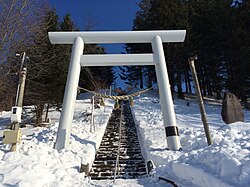
- Core Belief: Animistic veneration of kami (supernatural entities in nature).
- Central Focus: Maintaining purity and harmony between humans and the natural world.
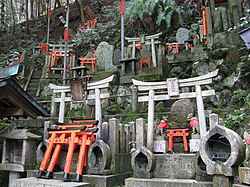
- Sacred Spaces: Worship occurs at jinja (public shrines), kamidana (household shrines), and family shrines.
- Historical Roots: Kami veneration traces back to Japan's Yayoi period (300 BCE to 250 CE).
- Structure: No central authority or single creator; highly diverse and localized.
The Concept of Kami and Purity
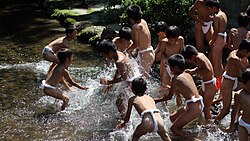
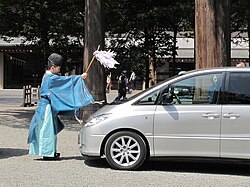
The kami are not gods in the Western sense but are spirits that reside in the world. They can be found in mountains, rivers, trees, and even certain people. To honor them, practitioners engage in rituals designed to cultivate blessings and ensure balance. A central tenet of Shinto is the emphasis on purity. Impurity is addressed through cleaning practices, such as ritual washing and bathing, which are often performed before any act of worship.
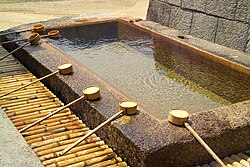
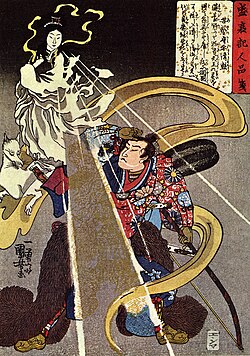
While Shinto does not place heavy emphasis on specific moral codes or detailed afterlife doctrines, it does hold that the deceased are capable of becoming kami. This connection between the living, the dead, and the natural world forms the spiritual fabric of the tradition.
Shrines and Sacred Spaces
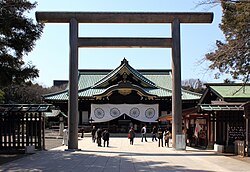
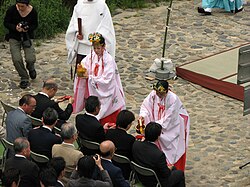
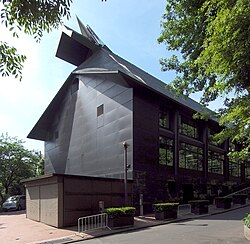
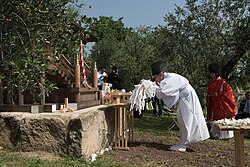
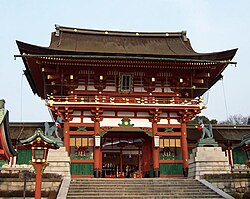
Shinto worship is centered around the jinja, or public shrine. These sites are managed by priests known as kannushi, who oversee the offering of food and drink to the enshrined kami. Shrines serve as community hubs for festivals, divination, and the distribution of religious objects like amulets.
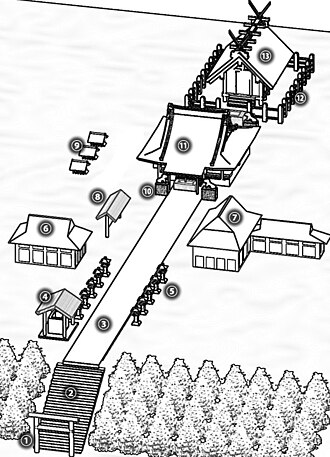
Types of Worship Sites
- Jinja: Public shrines staffed by professional priests.
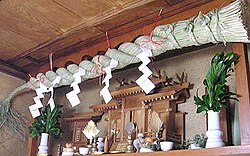
- Kamidana: Small, sacred household altars used for daily devotion.
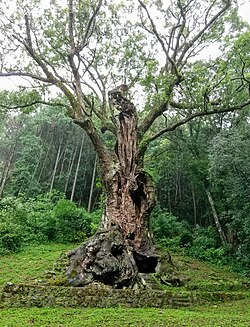
- Sacred Objects: Natural elements, such as ancient trees (shintai), are often revered as embodiments of the divine.
Rituals and Traditions
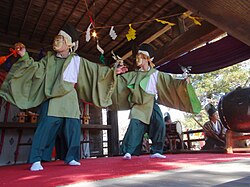
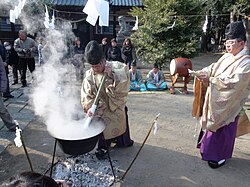
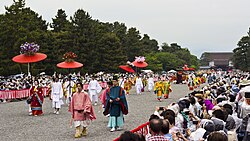
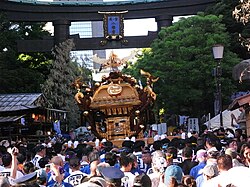
Shinto life is punctuated by various ceremonies. Kagura is a traditional ritual dance performed to entertain or honor the kami. Other common practices include rites of passage, seasonal festivals (matsuri), and purification rites (harae).
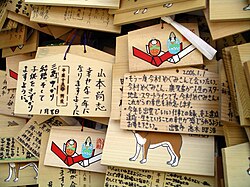
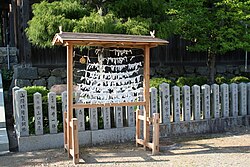
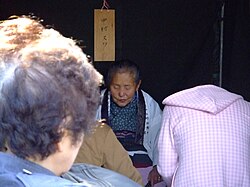
Devotees also interact with shrines through tangible means, such as writing wishes on ema (wooden plaques) or seeking guidance through omikuji (divination fortunes). Many shrines provide frames where these fortunes can be tied to ensure their messages are received.
Historical Evolution
The history of Shinto is characterized by its interaction with other belief systems. During the Kofun period (300 to 538 CE), Buddhism arrived in Japan. This led to shinbutsu-shūgō, a process of religious syncretism where kami worship and Buddhism became functionally inseparable, with kami often viewed as part of the Buddhist cosmology.
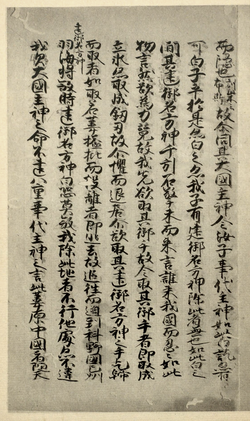
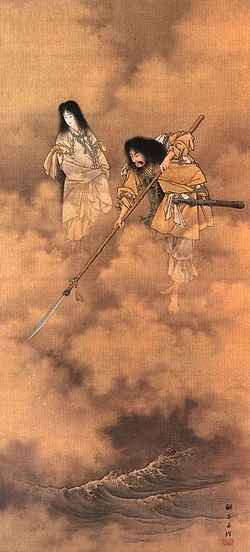
The earliest written records of these traditions are found in the 8th-century texts, the Kojiki and Nihon Shoki. During the Meiji era (1868–1912), the government sought to separate Shinto from Buddhism, establishing State Shinto. This period saw the emperor worshipped as a kami and Shinto used as a tool of nationalism. Following World War II, Shinto was formally separated from the state, returning to its roots as a diverse, non-governmental tradition.
Summary of Shinto Elements
| Category | Key Terms | Description |
|---|---|---|
| Spiritual Entities | Kami | Supernatural spirits inhabiting nature and landscapes. |
| Sacred Sites | Jinja, Kamidana | Public shrines and household altars. |
| Religious Personnel | Kannushi, Miko | Shrine priests and ritual shrine maidens. |
| Core Values | Purity (Harae) | The importance of ritual cleansing and harmony. |
| Ritual Objects | Ema, Omikuji, Amulets | Items used for prayer, divination, and protection. |
Frequently Asked Questions
![A Yayoi period dotaku bell; these probably played a key role in kami rites at the time.[64]](/images/2c/cf/2ccf4675cf01e0bc3f01a7a9dded876cfd91618f2595c9973d07d7328d3c73b5.jpg)
What is the difference between Shinto and Buddhism in Japan?
Historically, the two were syncretized through a process called shinbutsu-shūgō, making them functionally inseparable for centuries. While Shinto focuses on purity and nature, Buddhism has its own distinct doctrines. In modern Japan, many people practice elements of both.
What is a torii?
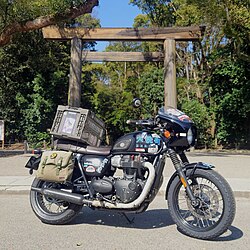
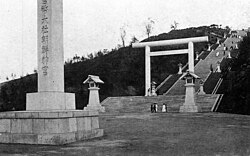
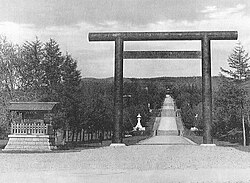
A torii is a traditional gate found at the entrance of a Shinto shrine. It marks the transition from the profane world to the sacred space of the kami.
Who are the kami?
Kami are supernatural entities that inhabit the natural world. They can represent forces of nature (like wind or thunder), specific landscape features (like mountains), or even the spirits of ancestors.
How do people practice Shinto at home?
Many Japanese households maintain a kamidana, a small sacred shelf or altar, where they can offer food, drink, or prayers to the kami.
Is Shinto a centralized religion?
No. Shinto has no single central authority, no single creator, and no unified doctrine. It exists as a diverse collection of local and regional traditions and practices.
What is the role of a priest in Shinto?
Priests, known as kannushi, oversee the management of shrines and perform essential rituals, such as making offerings of food and drink to the kami to maintain harmony and seek blessings.