Shanghai: A Global Hub of Finance, Culture, and Innovation
Shanghai, literally meaning "Upon the Sea," is a sprawling municipality in East China that serves as one of the world's most influential economic and financial centers. From its origins as a small fishing town to its current status as a global megacity, Shanghai blends a rich imperial history with a futuristic skyline, making it a primary gateway between China and the rest of the world.
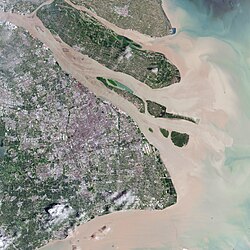
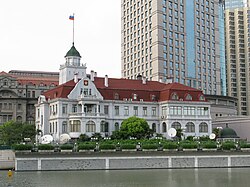
The city is defined by its unique geography, situated at the mouth of the Yangtze River. This strategic location has fostered its growth into a powerhouse of trade and industry, characterized by the contrast between the historic colonial architecture of the Bund and the soaring skyscrapers of the Lujiazui financial district.
Key Facts
- Population: Approximately 24.87 million (2023), ranking 1st in both China and Asia.
- Economy: A nominal GDP of US$ 814.1 billion (2025), placing it 9th globally.
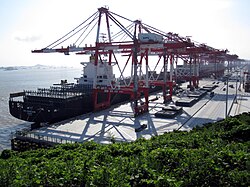
- Global Trade: Home to the world's busiest container port via Yangshan Port.
- Human Development: A very high HDI of 0.901 (2023).
- Geography: A humid subtropical climate with a total municipality area of 6,341 km².
Historical Evolution
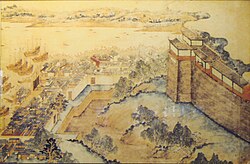
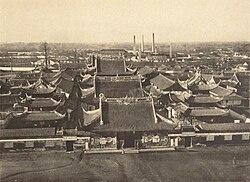
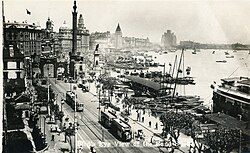
Shanghai's journey began centuries ago, with the establishment of Qinglong Town in 746 and Huating County in 751. By 1292, it had become Shanghai County. The city underwent a massive transformation during the Republic era and the subsequent period of foreign concessions, where British, French, and American interests shaped the urban landscape.
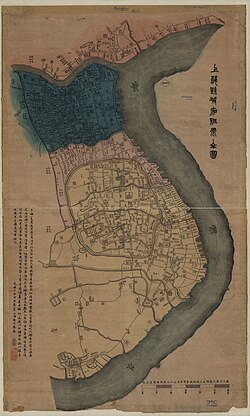
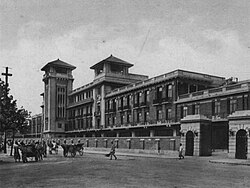
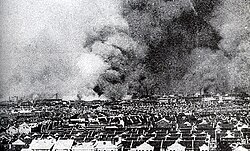
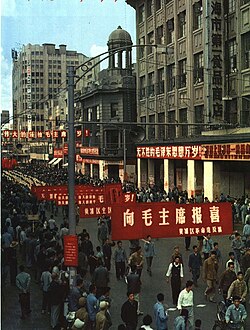
The 20th century brought significant turmoil and growth, including the Japanese invasion and the subsequent establishment of the People's Republic of China. Throughout these eras, Shanghai evolved from a treaty port into a modern municipality, officially designated as such on July 7, 1927.
Geography and Climate
Located at 31°13′57″N 121°28′9″E, Shanghai features a humid subtropical climate (Cfa). The region experiences four distinct seasons, with hot, humid summers and cool winters. Precipitation is significant throughout the year, peaking in June and August.
Climate Normals
The city's temperature varies from a mean daily minimum of around 2.9°C in January to a mean daily maximum of 33.2°C in July. The highest recorded temperature in the city reached 40.9°C, while the lowest dipped to -10.1°C.
Administrative Structure and Governance
Shanghai is a direct-administered municipality divided into 16 districts and 210 towns and subdistricts. The government is led by the Party Secretary, the Mayor, and the Chairwoman of the Municipal People's Congress.
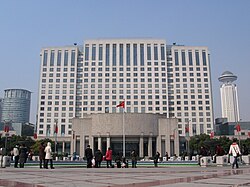
Major Districts
The city is split by the Huangpu River into two primary areas: Puxi (the historic west bank) and Pudong (the rapidly developed east bank). Pudong, specifically the Pudong New Area, has become the center of the city's financial and technological expansion.
![Greater Shanghai Metropolitan Area[115][116]](/images/21/37/2137d3ec6022f358f2659caef300208b5ed8ee72e2bcb94ea2a92368c21e4c44.jpg)
Economic Powerhouse
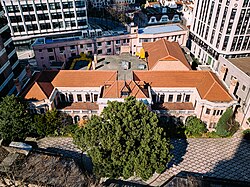
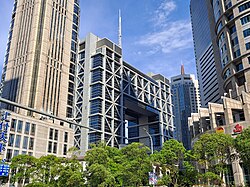
Shanghai is a cornerstone of the global economy. Its financial sector is anchored by the Shanghai Stock Exchange, one of the largest in the world by market capitalization. The city's economic reach extends into the Greater Shanghai Metropolitan Area, which boasts a combined GDP of US$ 1.927 trillion.
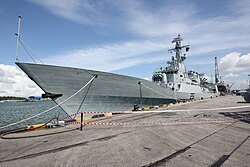
Beyond finance, Shanghai is a leader in manufacturing and shipping. The city's industrial capabilities are evident in its shipbuilding sector, producing advanced vessels like the F-22P frigate. Its status as a global logistics hub is cemented by the Yangshan Port, ensuring the efficient movement of goods worldwide.
Culture, Education, and Lifestyle
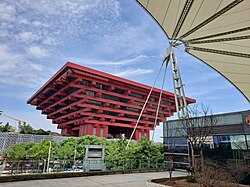
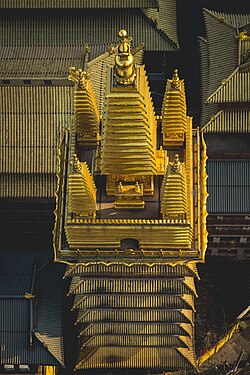
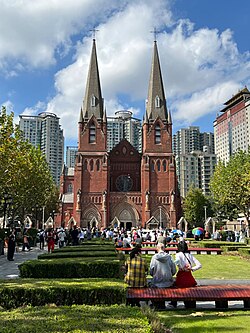
Shanghai is a melting pot of traditional Chinese culture and international influence. This is reflected in its diverse religious sites, from the golden pagoda of Jing'an Temple to the St. Ignatius Cathedral.
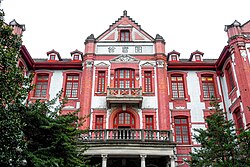
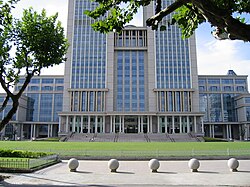
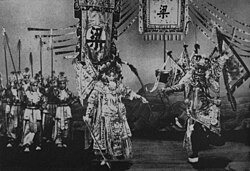
The city is also a center for academic excellence, hosting prestigious institutions such as Fudan University and Shanghai Jiao Tong University. Culturally, it is known for the "Shanghai School" of art and a vibrant performance scene, including Peking opera.

Urban Life and Tourism
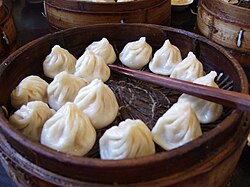
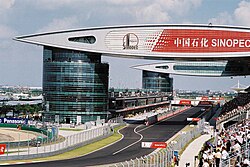
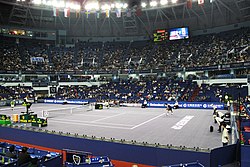
Visitors and residents enjoy a mix of high-end shopping on Nanjing Road and traditional culinary experiences, such as the famous Xiaolongbao (soup dumplings). The city also hosts world-class events, including the F1 Chinese Grand Prix and the Shanghai Masters tennis tournament.
Infrastructure and Transport
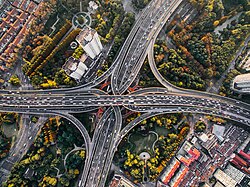
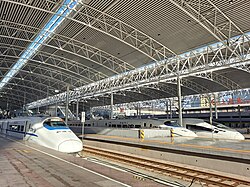
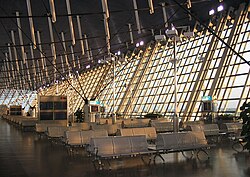
To support its massive population, Shanghai has developed a sophisticated transport network. This includes an extensive system of elevated roads, a high-capacity railway station, and the Pudong International Airport, which connects the city to every corner of the globe.
| Category | Detail |
|---|---|
| Population (2023) | 24,874,500 |
| Nominal GDP (2025) | US$ 814.1 Billion |
| Area | 6,341 km² |
| Primary Languages | Standard Mandarin, Shanghainese |
| Climate Type | Humid Subtropical |
| Key Port | Yangshan Port |
Frequently Asked Questions

What does the name "Shanghai" mean?
The name "Shanghai" literally translates to "Upon the Sea" in English.
Which is the busiest port in the world?
Due to the Yangshan Port, Shanghai has become the world's busiest container port.
What are the primary languages spoken in Shanghai?
The most common languages are Standard Mandarin (spoken by 97% of the population) and Shanghainese (spoken by 81.4%).
How is the city administratively divided?
Shanghai is divided into 16 districts, including major areas such as Pudong, Huangpu, and Xuhui.
What is the significance of the Lujiazui area?
Lujiazui is the financial heart of Shanghai, featuring a world-famous skyline with skyscrapers like the Shanghai Tower and the Oriental Pearl Tower.