Shamrock: The Botanical History and Cultural Symbol of Ireland
The shamrock is one of the most recognizable symbols of Ireland worldwide. Derived from the Irish word seamróg, which is a diminutive of seamair meaning "young clover," this small green plant has evolved from a simple botanical specimen into a powerful emblem of national identity, faith, and heritage.
Key Facts
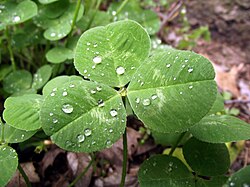
- Botanical Identity: While often called "clover," the shamrock can refer to several species, most commonly Trifolium dubium.
- National Symbol: The Government of Ireland has registered the shamrock as an official trademark.
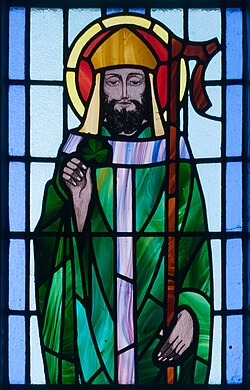
- Religious Link: Tradition holds that Saint Patrick used the plant to explain the Holy Trinity.
- Global Presence: It appears on everything from the Aer Lingus aircraft tail fins to the official flag of Montreal.
The Botanical Debate: What is a "True" Shamrock?
Despite its fame, botanists have long debated which specific plant constitutes the "true" shamrock. Early records show a lack of consensus. In 1597, John Gerard identified it as Trifolium pratense (red clover), a view supported by Caleb Threlkeld in 1726.
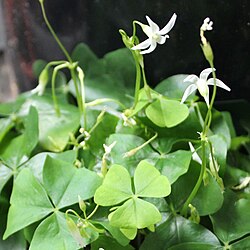
The debate grew more complex in 1830 when James Ebenezer Bicheno claimed the shamrock was actually Oxalis acetosella, a species of wood sorrel. Bicheno argued that clover was not native to Ireland and that wood sorrel's history as an edible green better matched historical accounts of the shamrock being eaten. However, most evidence continues to favor the clover family.
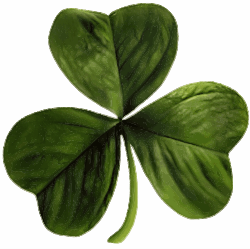
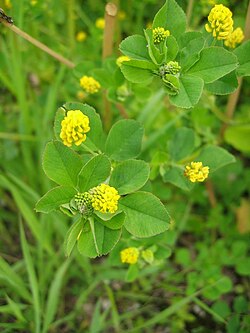
In 1878, botanists James Britten and Robert Holland found that Trifolium dubium was the species most frequently sold as shamrock in London's Covent Garden during St. Patrick's Day. To settle the matter scientifically, two major surveys were conducted in 1893 and 1988. Both surveys asked people across Ireland to submit samples, which were then grown and identified.
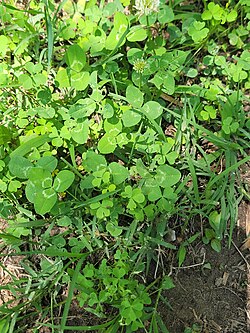
Comparative Botanical Surveys
The results of these surveys revealed that the Irish perception of the shamrock remained remarkably consistent over nearly a century.
| Botanical Name | Common Name | 1893 Survey | 1988 Survey |
|---|---|---|---|
| Trifolium dubium | Lesser clover | 51% | 46% |
| Trifolium repens | White clover | 34% | 35% |
| Trifolium pratense | Red clover | 6% | 4% |
| Medicago lupulina | Black medick | 6% | 7% |
| Oxalis acetosella | Wood sorrel | - | 3% |
| Various Trifolium/Oxalis | Mixed species | 3% | 5% |
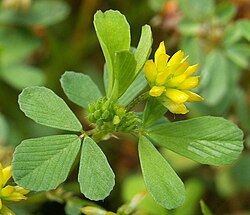
The Legend of Saint Patrick
The most enduring story associated with the shamrock is its use by Saint Patrick in the 5th century. Tradition suggests he used the three-leaved plant to illustrate the Holy Trinity—the Father, the Son, and the Holy Spirit—to the pagan people of Ireland.
Interestingly, early English writings from the 16th century mention the shamrock as an Irish plant but make no reference to Saint Patrick. The first physical evidence of this link appears in 1675 on "St Patrick's Coppers" (halfpennies), which depict the saint preaching with a shamrock in hand. The first written mention of the connection did not appear until 1681 in the journals of Thomas Dineley.
Some historians suggest that Patrick may have drawn upon the triskele (a triple spiral) or the existing Celtic worship of triple deities—such as the goddesses Ériu, Fódla, and Banba—to make the Christian concept of the Trinity more accessible to the local population.
The Shamrock as a National and Political Symbol
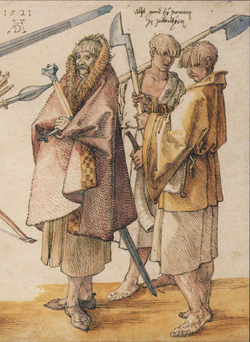
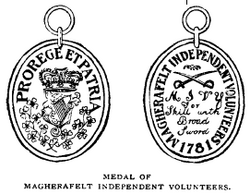
By the late 18th century, the shamrock became entwined with Irish political movements. The United Irishmen adopted green as their revolutionary color, often associating it with the shamrock. It appeared on the flags of various Volunteer groups, such as the Royal Glin Hussars and the Braid Volunteers.
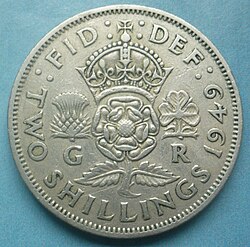
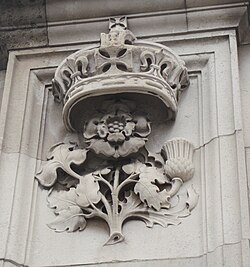
The symbol's reach extended into currency and official state motifs. It appeared on a British two-shilling coin in 1949 and is featured on the gate pillars of Buckingham Palace alongside the rose and thistle.
In the modern era, the Irish government has vigorously protected the shamrock as a national trademark. This included a legal battle in the 1980s in the German Supreme Court, which Ireland eventually won in 1985. A notable modern tradition began in 1969, where a bowl of shamrocks in Waterford Crystal is presented to the President of the United States every St. Patrick's Day.

Global Influence and Usage
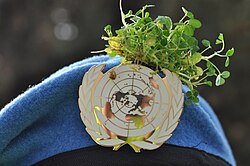
Beyond the borders of Ireland, the shamrock serves as a beacon for the Irish diaspora. It is central to the emblem of the Ancient Order of Hibernians, founded in New York in 1836. It also appears in the crests of various sports clubs, including London Irish rugby and the Melbourne Celtic Club.
Frequently Asked Questions
Is the shamrock a type of clover?
Yes, while it can refer to wood sorrel, botanical surveys indicate that the majority of people in Ireland identify the shamrock as a species of clover, most notably Trifolium dubium (lesser clover) and Trifolium repens (white clover).
Did Saint Patrick actually use the shamrock to teach the Trinity?
There is no contemporary 5th-century evidence for this. The first visual evidence appears on coins in 1675, and the first written account dates to 1681, suggesting the story developed long after Saint Patrick's time.
Is the shamrock a legally protected symbol?
Yes, the Government of Ireland has registered the shamrock as a trademark to protect its use as a national symbol, a right they successfully defended in the German Supreme Court in 1985.
What is the difference between a shamrock and a four-leaf clover?
A shamrock is traditionally a three-leafed plant used as a symbol of Ireland and the Trinity. A four-leaf clover is a rare genetic mutation of the clover plant, often associated with luck rather than national or religious identity.