Serbian Rock Music: A Comprehensive History
Serbian rock is a vibrant and diverse musical tradition that evolved from the early influences of Western rock and roll into a complex ecosystem of genres. For several decades, specifically from the 1960s through the 1980s, the Serbian scene operated as a vital component of the broader Socialist Federal Republic (SFR) of Yugoslavia rock scene. Unlike many other socialist nations of the era, Yugoslavia was a member of the Non-Aligned Movement, which allowed it a unique openness to Western cultural imports.
The seeds of the movement were sown via foreign broadcasts, most notably Radio Luxemburg, and imported records. These influences first touched schlager singers—popular melodic music performers—such as Đorđe Marjanović, who released Serbia's first popular music solo album in 1959. By the 1960s, the rise of beat bands like Siluete and Elipse captured the imagination of the youth, sparking the creation of dedicated rock magazines, radio programs, and television shows.
Key Facts
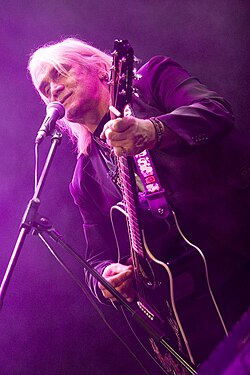
- First LP: Korni Grupa released the first full-length rock album from Serbia in 1972.
- Cultural Openness: Yugoslavia's Non-Aligned status facilitated the import of Western rock and roll.
- Genre Evolution: The scene progressed from 1960s beat music to 1970s progressive rock, 1980s new wave, and later alternative and extreme metal.
- Pioneering Punk: Pekinška Patka was the first Serbian punk rock band to release an album (1980).
- Mainstream Icons: Acts like Riblja Čorba, Bajaga i Instruktori, and Đorđe Balašević defined the pop-rock mainstream.
The Evolution of Serbian Rock Genres
Mainstream and Pop Rock
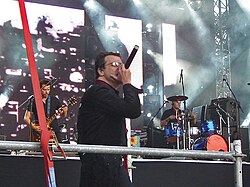
Korni Grupa, formed in 1968 by Kornelije Kovač, was a pivotal force in bringing rock to the masses. While they began with commercial pop singles, the addition of vocalist Dado Topić pushed them toward a progressive sound. Their 1971 debut was a landmark release, and their 1974 album Not an Ordinary Life (released as Kornelyans) was among the first Yugoslav albums distributed by a foreign label.
By the 1980s, the mainstream shifted toward pop rock. Bajaga i Instruktori, formed in 1984 by former Riblja Čorba member Momčilo Bajagić "Bajaga", became one of the most enduring acts of the era with hits like Pozitivna geografija and Sa druge strane jastuka.
Progressive and Psychedelic Rock
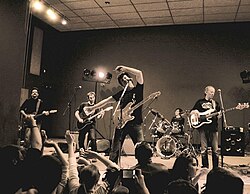
The 1970s were dominated by progressive rock, often blending complex structures with traditional folk elements. Pop Mašina (formed 1971) explored hard and psychedelic rock, releasing the first Yugoslav live album, Put ka Suncu, in 1976. Other pioneers included S Vremena Na Vreme and Dah, both of whom integrated folk music into their progressive compositions.
The scene also saw the rise of symphonic rock through bands like Opus and Tako, as well as the space rock explorations of Igra Staklenih Perli. Later acts like Galija and Neverne Bebe also incorporated these elements before transitioning toward more mainstream sounds.
Hard Rock and Heavy Metal
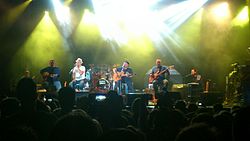
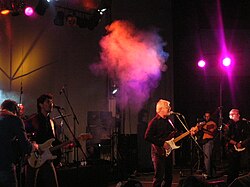
Hard rock gained traction in the early 1970s through YU Grupa and Smak. YU Grupa frequently blended hard rock with traditional music, while Smak incorporated jazz and blues influences. By the late 1980s, the scene expanded into extreme metal. Heller is credited with releasing arguably the first thrash metal album in South-Eastern Europe, while Bombarder became a key figure in the speed and thrash metal scene after relocating to Belgrade.
Blues-Rock and Alternative Scenes
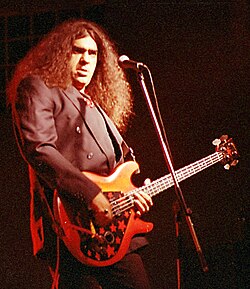
While many early bands played rhythm and blues, the first dedicated Serbian blues band, Blues Kvintet, formed in 1979. The 1980s saw a surge in blues-rock with bands like Point Blank and the internationally successful guitarist Ana Popović, who led the band Hush before moving to the Netherlands.
Parallel to the mainstream, an alternative scene flourished in the 1980s. This included the influential new wave acts of the Paket aranžman compilation (Šarlo Akrobata, Električni Orgazam, and Idoli) and avant-garde artists like Disciplina Kičme and Rambo Amadeus.
Specialized Genres and the New Serbian Scene
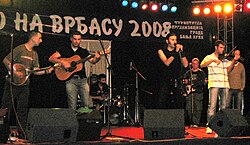
The 1990s and 2000s saw the emergence of niche genres, including Celtic rock led by the Orthodox Celts, which inspired bands like Tir na n'Og and Irish Stew of Sindidun. The "New Serbian Scene" of the late 2000s brought a fresh wave of artists, some of whom, like S.A.R.S. and Zemlja Gruva, achieved significant mainstream success before the scene began to dissolve around 2013.
Summary of Key Serbian Rock Eras
| Era | Dominant Genres | Key Artists |
|---|---|---|
| Late 1950s - 1960s | Beat, Rock and Roll | Siluete, Elipse, Đorđe Marjanović |
| 1970s | Progressive, Hard Rock, Psychedelic | Korni Grupa, YU Grupa, Pop Mašina, Smak |
| 1980s | New Wave, Punk, Pop Rock, Alternative | Riblja Čorba, Bajaga i Instruktori, Ekatarina Velika |
| 1990s - 2010s | Blues, Metal, Celtic Rock, New Serbian Scene | Ana Popović, Orthodox Celts, S.A.R.S. |
Frequently Asked Questions


Who was the first Serbian rock act to release a full-length album?
Korni Grupa was the first Serbian rock act to release a full-length album in 1972.
How did Western rock music reach Serbia during the socialist era?
Rock and roll reached the region primarily through foreign radio stations, most notably Radio Luxemburg, and through records brought in from Western countries.
What was the significance of the Paket aranžman compilation?
Released in 1980, this influential compilation featured the new wave bands Šarlo Akrobata, Električni Orgazam, and Idoli, helping to launch the new wave movement in the region.
Which band pioneered punk rock in Serbia?
Pekinška Patka was the first Serbian punk rock band to release an album, doing so in 1980.
What characterized the "New Serbian Scene"?
Emerging in the late 2000s and early 2010s, this scene featured a variety of alternative and pop-rock acts, with some bands like S.A.R.S. and Zemlja Gruva achieving major mainstream popularity.