SEPTA: Powering Transit in the Philadelphia Metropolitan Area
The Southeastern Pennsylvania Transportation Authority (SEPTA) serves as the backbone of mobility for the Philadelphia metropolitan area. Operating a massive, multimodal network, SEPTA integrates everything from high-capacity rapid transit to local bus routes, ensuring that millions of residents and visitors can navigate the region efficiently.
From its inception in the 1960s, SEPTA has evolved from a coordinating body into a comprehensive transit agency. Today, it manages a complex infrastructure of 196 lines and 290 stations, facilitating hundreds of thousands of weekday trips.

Key Facts
- Daily Ridership: 768,600 weekday trips (Q1 2026).
- Annual Ridership: 198.3 million individual rides in FY2024.
- Network Scale: 196 lines and 290 stations.
- Fleet Size: 2,897 vehicles as of 2018.
- Established: Created August 17, 1963; operations began February 18, 1964.
The Evolution of SEPTA
SEPTA was established by the Pennsylvania General Assembly to coordinate government funding for various railroad and transit companies in southeastern Pennsylvania. The agency significantly expanded its footprint on November 1, 1965, by absorbing two predecessor agencies.
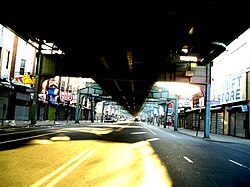
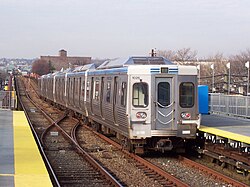
A pivotal moment occurred on September 30, 1968, when SEPTA acquired the Philadelphia Transportation Company (PTC). This acquisition brought the citywide bus and trolley systems, the Market–Frankford Line (a subway-elevated rail), and the Broad Street Line (a subway) under one roof, forming the foundation of what is now the City Transit Division.
Transit Modes and Infrastructure
SEPTA employs a diverse array of transit types to meet the needs of different urban and suburban environments. This multimodal approach includes:
Rapid Transit and Rail
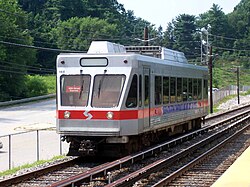
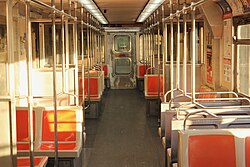
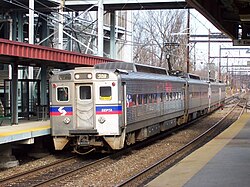
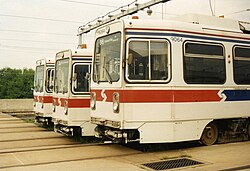
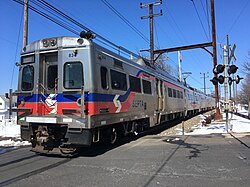
The system features rapid transit (subways and elevated rails), light rail, and light metro services. The Regional Rail network connects the city center to the surrounding suburbs, while the City Transit Division handles the dense urban core.
Bus and Trolley Services
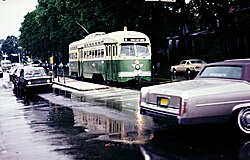
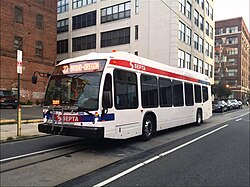
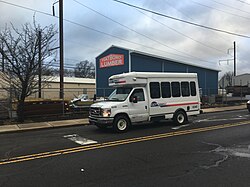
SEPTA operates a vast fleet of transit buses and trolleybuses (electric buses that draw power from overhead wires). While trackless trolley service was suspended in 2003, it was partially restored in 2008 with new low-floor vehicles on routes 59, 66, and 75.
Modernization and Future Fleet
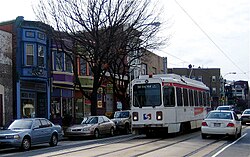
The agency is currently transitioning toward more sustainable and accessible technology. This includes the deployment of Hydrogen Fuel Cell buses (New Flyer XHE40) and an order for 130 new low-floor streetcars from Alstom, scheduled to enter service between 2027 and 2030 on the T, G, and D lines.
Operational Management and Funding
SEPTA is governed by a 15-member board of directors appointed by the City of Philadelphia, Montgomery, Bucks, Chester, and Delaware counties, as well as the Pennsylvania Governor and legislative leaders.
Financing the system requires a mix of passenger revenue and government support. Passenger revenue, including the Shared Ride Program and other income, covers approximately 35% of operating costs.
Fare Systems and Accessibility
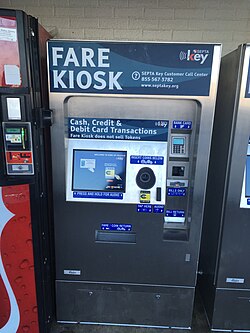
The agency has modernized payment through the SEPTA Key fare system, replacing traditional tokens. Riders can now utilize NFC payments, including credit/debit card taps and mobile apps, to streamline boarding.
System Summary
| Category | Detail |
|---|---|
| Primary Locale | Philadelphia Metropolitan Area |
| Transit Types | Bus, Trolley, Light Rail, Rapid Transit, Commuter Rail |
| Total Stations | 290 |
| FY2024 City Transit Rides | 122.1 Million |
| FY2024 Regional Rail Rides | 13.7 Million |
| FY2024 Suburban Network Rides | 11.1 Million |
Maintenance and Connectivity
To keep the network running, SEPTA operates several specialized facilities, such as the Berridge Shops for bus overhauls and the Fern Rock Yard for the Broad Street Line. The agency also coordinates with regional partners like DART First State to provide seamless travel between Delaware County and Delaware.
Frequently Asked Questions
How do I pay for my SEPTA ride?
Riders can use the SEPTA Key card, NFC contactless payments (credit/debit cards and phone apps), and paper tickets. Traditional tokens have been phased out.
What is the difference between City Transit and Regional Rail?
City Transit focuses on high-frequency movement within Philadelphia using buses, trolleys, and subways. Regional Rail provides longer-distance commuter service connecting the city to the surrounding suburban counties.
Are SEPTA vehicles accessible?
Yes, SEPTA has transitioned to low-floor buses and is currently ordering new low-floor streetcars to improve accessibility for all passengers.
Who governs SEPTA?
SEPTA is governed by a 15-member board of directors appointed by various county governments and state officials, including the Governor of Pennsylvania.
What are the upcoming fleet upgrades?
SEPTA is introducing Hydrogen Fuel Cell buses and 130 new Alstom low-floor streetcars, which are expected to be in service between 2027 and 2030.