Seoul Street Arts Festival: Asia's Premier Hub for Contemporary Street Performance
Every year, the streets of South Korea's capital transform into a vibrant stage for world-class talent. The Seoul Street Arts Festival, organized by the Seoul Foundation for Arts & Culture, stands as the largest street art festival in the country. It serves as a dynamic intersection where local traditions meet international innovation, offering a captivating cultural experience for residents and tourists alike.
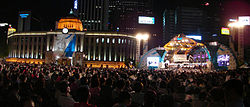
While the festival is primarily a free event, visitors should note that certain high-demand performances require advanced reservations due to limited seating capacities. The festival offers a dual experience: a curated official program featuring select artists, and a wide array of spontaneous, off-program performances that can be discovered throughout the city.
Evolution of a Cultural Landmark
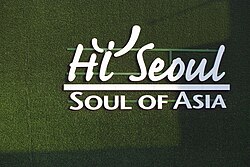
The festival has undergone a significant transformation since its inception. It began in 2003 under the name Hi! Seoul Festival, serving as a broad showcase for various cultural and artistic performances. As the event matured, its mission became more specialized.
From General Celebration to Street Art Focus
In 2013, the festival organizers narrowed the scope to focus specifically on street art. This strategic shift was finalized in 2016 when the event was officially renamed the Seoul Street Arts Festival. Today, it has evolved into a central hub for contemporary street arts in Asia, providing a vital platform for artists to gain global recognition.
Festival Locations and Scale
The festival is not confined to a single venue; instead, it breathes life into several of Seoul's most iconic landmarks. By utilizing these central locations, the festival integrates art directly into the urban fabric of the city.
- Seoul Plaza
- Nodeul Island
- Cheonggye Plaza
- Gwanghwamun Square
- Deoksugung Doldam-gil
- Seoul Museum of Art
- Seoul City Hall
The scale of the event is immense. For instance, the 2024 edition took place during the Chuseok holiday (a major Korean harvest festival) and featured themes honoring the Year of the Rabbit. That year's program boasted 77 official performances and featured over 300 artists representing eight different countries.
Key Facts
- Organizer: Seoul Foundation for Arts & Culture.
- Status: The largest street art festival in South Korea.
- Cost: Generally free, though some shows require reservations.
- Scope: Features both official programs and spontaneous off-program acts.
- Global Reach: Includes artists from multiple countries, acting as an Asian hub for street arts.
A Tapestry of Traditional and Modern Arts
The festival is a rich blend of modern contemporary acts and deeply rooted Korean traditions. Visitors can witness various forms of heritage performance, including:
- Namsadangpae: Traditional Korean itinerant troupes consisting of male performers.
- Salpurichum: A traditional Korean dance intended to exorcise evil spirits.
- Bukcheong Sajanori: A traditional lion mask dance from the Bukcheong region.
- Girisi Juldarigi: A traditional tug-of-war originating from the Girisi region of Dangjin.
- Nongak: Traditional farmers' music, often featuring performers with the janggu (a double-headed drum).
| Feature | Details |
|---|---|
| Primary Focus | Contemporary and traditional street arts |
| Organizer | Seoul Foundation for Arts & Culture |
| Key Locations | Seoul Plaza, Gwanghwamun Square, Nodeul Island, and more |
| 77 official performances; 300+ artists from 8 countries |
Frequently Asked Questions
Is the Seoul Street Arts Festival free to attend?
Yes, the festival is generally free to the public. However, certain performances with limited seating may require advanced reservations.
Where exactly in Seoul does the festival take place?
The festival is spread across several iconic central locations, including Seoul Plaza, Gwanghwamun Square, Cheonggye Plaza, and Nodeul Island.
What is the difference between the official program and off-program performances?
The official program consists of select, scheduled artists and performances, while off-program performances are additional acts that occur throughout the festival area.
How has the festival changed since it started?
Originally launched in 2003 as the Hi! Seoul Festival, it focused on a wide range of arts. It shifted its focus to street art in 2013 and officially adopted its current name in 2016.
Does the festival include traditional Korean performances?
Yes, the festival features many traditional elements, such as Namsadangpae troupes, Salpurichum dance, and regional mask dances.