Scottish War Memorials: A History of Remembrance
Scotland has a long and storied martial tradition, characterized by a history of conflict and a deep-seated culture of military service. From ancient battles on home soil to global deployments as mercenaries and members of the British Armed Forces, Scots have played a significant role in military history across the globe. This legacy of sacrifice is etched into the landscape through war memorials that serve as enduring tributes to those who served and fell.
The Evolution of Commemoration
The practice of memorializing Scottish combatants dates back as far as 1263, though the nature of these tributes has shifted dramatically over the centuries. Early memorials focused on the struggle against Viking and English invaders, as well as internal Scottish civil wars sparked by royal succession disputes or religious intolerance. Interestingly, many of these early markers were not erected until the 19th century—often hundreds of years after the events occurred—and typically omitted the names of individual soldiers.
By the late 19th century, the approach to remembrance became more personalized. Following various small colonial wars, Scottish cavalry and infantry regiments began installing memorials in garrison towns and churches. These markers started to list the names of the fallen, though initially, this honor was often reserved for officers, with non-commissioned officers and enlisted men only occasionally included.
The Rise of Civic and National Memorials
The transition toward community-led remembrance began with the first recorded civic war memorial in Scotland, located in the churchyard at Balmaclellan. Erected after the Crimean War, it honored local men who died in combat overseas. However, it took another fifty years, following the Second Boer War, for other communities to adopt this civic model of commemoration.
The First World War (1914–1918) marked a turning point in how Scotland remembered its dead. By the end of the conflict, nearly every community in the country had erected a local memorial. This era also saw the creation of the Scottish National War Memorial, a shrine located at Edinburgh Castle. This national site continues to honor those who have died in wars since 1914, currently commemorating 206,779 men and women who served in the UK and Commonwealth Forces.
The impulse to remember extended beyond government and military bodies. A diverse array of institutions—including schools, universities, banks, factories, golf clubs, post offices, railways, and even a prison—erected their own memorials to honor their members who went to war. Due to the massive scale of military formations during the Great War, memorials were also established at the brigade and divisional levels, in addition to regimental ones.
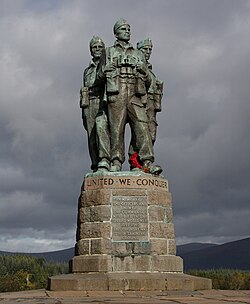
Post-War Adaptations and Modern Tributes
Following the Second World War, Scotland faced the challenge of integrating new losses into existing sites of remembrance. Some communities, such as the village of Aberlady in East Lothian, updated memorials originally built for the Boer War and First World War to include the names of those lost in the Second World War. Others chose to build entirely new structures to honor the later conflict.
The tradition of erecting memorials remains active today. Recent additions to Scotland's commemorative landscape include the Air Forces Memorial at Grangemouth, the Black Watch memorial at Balhousie Castle, and "Buckhaven’s Secret" in Fife. Other notable recent unveilings include the WW1 Nurses' Memorial at Edinburgh's Central Library (2015) and a memorial in Girvan's Doune Cemetery (2024) honoring the crew of the French merchant ship SS Longwy, which was torpedoed in 1917.
Key Facts
- Earliest Records: Commemorations date back to 1263, though many were not physically built until the 1800s.
- National Scale: The Scottish National War Memorial at Edinburgh Castle commemorates 206,779 individuals.
- Civic Shift: The first civic memorial naming local men died overseas was erected at Balmaclellan after the Crimean War.
- Diverse Sponsors: Memorials were funded not just by the state, but by banks, schools, and private clubs.
- Recent Additions: New memorials continue to be unveiled, including the SS Longwy crew memorial in 2024.
| Era/Period | Primary Focus | Key Characteristics |
|---|---|---|
| Early History (to 19th C) | Vikings, English, Civil Wars | General tributes; usually no individual names. |
| Late 19th Century | Colonial Wars | Regimental focus; names often limited to officers. |
| World War I Era | Global Conflict | Widespread civic and national memorials; inclusive of all ranks. |
| World War II & Modern | Global Conflict & Specific Tributes | Updating existing monuments or creating niche memorials (e.g., nurses, animals). |
Frequently Asked Questions
Where is the Scottish National War Memorial located?
The Scottish National War Memorial is a shrine located at Edinburgh Castle.
How many people are commemorated at the national memorial?
It currently commemorates 206,779 men and women who died serving in the UK and Commonwealth Forces since 1914.
What was the first civic war memorial in Scotland to name local men?
The first recorded civic memorial naming local men who died overseas was erected in the churchyard at Balmaclellan following the Crimean War.
Did only military units build war memorials?
No. A wide variety of organizations, including banks, schools, universities, golf clubs, and even a prison, erected memorials to their members.
Are new war memorials still being built in Scotland?
Yes, communities continue to erect memorials. Recent examples include the WW1 Nurses' Memorial in Edinburgh and the SS Longwy crew memorial in Girvan.