Scinax x-signatus: The Adaptable Venezuelan Snouted Treefrog
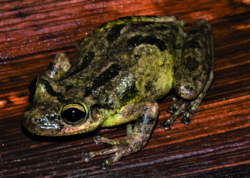
The Scinax x-signatus, commonly known as the Venezuelan snouted treefrog, is a resilient and highly adaptable amphibian belonging to the Hylidae family. Known for its ability to thrive in various environments, this species plays a significant role in the ecosystems it inhabits, ranging from its native South American habitats to introduced territories in the Caribbean.
Biological Classification and Taxonomy
Taxonomically, Scinax x-signatus is classified within the order Anura (the group containing all frogs and toads) and the class Amphibia. First described by Spix in 1824, the species has been known by several scientific synonyms over the years, including Hyla x-signata and Hyla affinis.
It is important to note that some researchers suggest this group may actually represent more than one distinct species, though it is currently recognized under a single binomial name.
Habitat and Distribution
The Venezuelan snouted treefrog is widely distributed across South America. Its primary range includes:
- Brazil
- The Guyanas (Guyana, French Guiana, and Suriname)
- Venezuela
- Colombia
Beyond its native range, the species has established introduced populations on the island of Martinique and on Guadeloupe, including the nearby smaller islands of Marie Galante and La Désirade. Because of its ability to survive in modified environments, it is considered a very common frog in tropical savannas, forest edges, and open areas.
Ecological Impact and Invasive Behavior
While the species is highly successful, its adaptability can lead to ecological challenges. In Guadeloupe, Scinax x-signatus is classified as an invasive species. In these new environments, it poses a threat to native frog populations through direct competition for resources and habitat.
Reproduction and Breeding Habits
The reproductive cycle of the Venezuelan snouted treefrog is closely tied to available water sources. Breeding occurs in both permanent and seasonal standing water. During the breeding season, males can be heard calling from the vegetation located above and around ponds to attract mates.
Key Facts
- Common Name: Venezuelan snouted treefrog
- Conservation Status: Least Concern (IUCN 3.1)
- Primary Habitats: Tropical savannas, forest edges, and open areas
- Dietary/Ecological Role: Highly adaptable to habitat modification
- Invasive Status: Recognized as invasive in Guadeloupe
Summary Table of Scinax x-signatus
| Category | Details |
|---|---|
| Kingdom | Animalia |
| Phylum | Chordata |
| Class | Amphibia |
| Order | Anura |
| Family | Hylidae |
| IUCN Status | Least Concern |
Frequently Asked Questions
Where is the Venezuelan snouted treefrog native to?
It is native to several regions in South America, specifically Brazil, Colombia, Venezuela, and the Guyanas (Guyana, Suriname, and French Guiana).
Is Scinax x-signatus an endangered species?
No, according to the IUCN Red List, the species is currently classified as Least Concern due to its commonality and adaptability.
Why is this frog considered invasive in some areas?
In locations like Guadeloupe, the species is considered invasive because it competes with native frog species for food and habitat, potentially disrupting the local ecosystem.
How do these treefrogs breed?
They breed in standing water, which can be either permanent ponds or seasonal pools. Males typically call from vegetation surrounding these water sources.
What kind of environments does this frog prefer?
They are highly adaptable and are commonly found in open areas, forest edges, and tropical savannas.