Schoolmaster Terminology and Educational Leadership Roles
The language used to describe educational leadership has evolved significantly over time, reflecting changes in school structures and societal norms. While the term schoolmaster historically referred to a male teacher, the hierarchy within a school often required more specific titles to denote authority and responsibility.
In institutions with multiple teachers, the individual in charge is known as the headmaster (occasionally written as "head master"). While this title remains common in British independent schools, most publicly funded schools in Britain have transitioned to the term head teacher. In the United States, the equivalent role is typically referred to as the principal, although "headmaster" is still utilized in some American and Commonwealth independent schools.
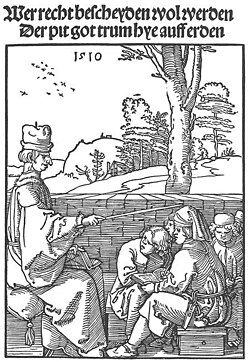
The Hierarchy of School Leadership
Beyond the primary leader, various titles exist to define the roles of other senior staff members. A schoolmaster who does not hold the top position is formally designated as an assistant schoolmaster. Depending on the institution, several other specialized roles may exist to support the administration of the school.
Senior Administrative Roles
- Deputy Headmaster: The second most senior teacher in the school.
- Senior Master or Second Master: Alternative titles used in some independent schools instead of deputy headmaster.
- Housemaster: A schoolmaster specifically responsible for a boarding school house.
Alternative Titles for Heads of Staff
Some independent schools eschew the term headmaster entirely, opting for traditional titles such as High Master, Rector, or Warden to identify the head of the teaching staff.
Gender-Specific and Localized Roles
Historically, the female equivalent of a schoolmaster is a schoolmistress. This term follows the same prefix system as the male counterpart (e.g., headmistress). In a more localized and informal setting, the school dame operated a Dame school.
Dame schools were small-scale operations typically found at the town or parish level. A school dame was a local woman who provided childcare and taught young children the alphabet in exchange for a small fee.
Key Facts
- Headmaster is the British independent school equivalent of the American principal.
- Head teacher is the standard term for leaders in British publicly funded schools.
- Housemasters manage specific boarding houses within a school.
- Dame schools were localized early childhood education centers run by a school dame.
- Alternative leadership titles include Rector, Warden, and High Master.
| Role | Common Title | Alternative/Regional Title |
|---|---|---|
| Primary Leader | Headmaster / Head Teacher | Principal / Rector / Warden / High Master |
| Second-in-Command | Deputy Headmaster | Senior Master / Second Master |
| Boarding Lead | Housemaster | N/A |
| General Teacher | Schoolmaster / Schoolmistress | Assistant Schoolmaster |
Frequently Asked Questions
What is the difference between a headmaster and a head teacher?
A headmaster is a title primarily used in British independent schools and some American/Commonwealth schools, whereas a head teacher is the standard term used in most British publicly funded schools.
What is a school dame?
A school dame was a local woman who ran a small, localized Dame school at the town or parish level, teaching young children the alphabet for a small fee.
Who is a housemaster?
A housemaster is a schoolmaster who is specifically put in charge of a boarding school house.
What are some alternative titles for a school's head of teaching staff?
Depending on the independent school, the head of staff may be called a High Master, Rector, or Warden.
What is the female equivalent of a schoolmaster?
The female equivalent is a schoolmistress, a term that can be used with the same prefixes as schoolmaster (such as headmistress).