Republic of Rwanda
Known for its stunning landscapes and resilient spirit, the Republic of Rwanda is a landlocked nation in East Africa. From its ancient monarchies to its modern status as a unitary semi-presidential republic, Rwanda has undergone a profound transformation. Today, it is recognized for its rapid economic growth, commitment to conservation, and a complex history of recovery and reconstruction.
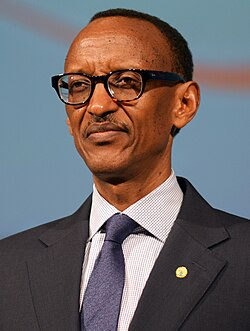
The nation is governed by a system led by President Paul Kagame, with a legislative structure consisting of the Senate and the Chamber of Deputies.
Key Facts
- Capital: Kigali (the largest city).
- Official Languages: Kinyarwanda, English, French, and Swahili.
- Population: Estimated at 14,104,969 for 2025.
- Currency: Rwandan franc (RWF).
- Government: Unitary semi-presidential republic.
- Primary Cash Crop: Coffee.
History and Governance
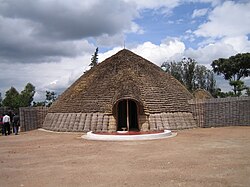
Rwanda's history is marked by a transition from the Kingdom of Rwanda, established in the 15th century, through periods of European colonization. It was part of German East Africa from 1897 to 1916, followed by a Belgian mandate as part of Ruanda-Urundi until 1962.
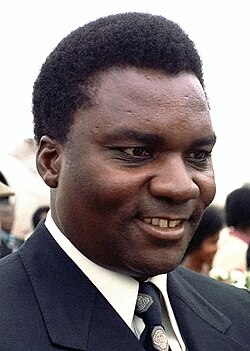
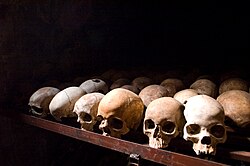
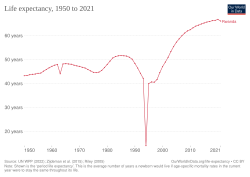
The mid-20th century saw the Rwandan Revolution (1959–1961), leading to the declaration of a republic on January 28, 1961, and full independence from Belgium on July 1, 1962. The nation's trajectory was tragically altered by the Rwandan Genocide and Civil War in 1994, an event that caused a sharp drop in life expectancy and profound societal trauma.
Geography and Biodiversity
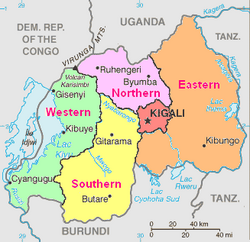
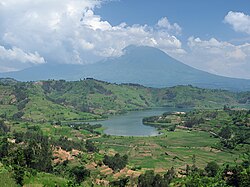
Rwanda is characterized by its diverse topography, featuring mountains, lakes, and volcanic regions. The country is divided into several provinces, each contributing to the nation's unique ecological profile.
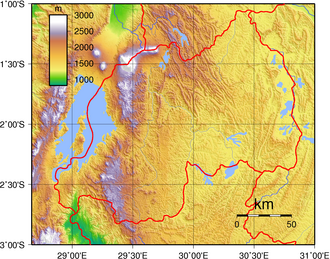
The Virunga Mountains are a highlight of the region, home to breathtaking lakes and volcanoes. This area is critical for global biodiversity, particularly within the Volcanoes National Park, which hosts the world's largest population of mountain gorillas.
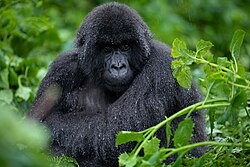
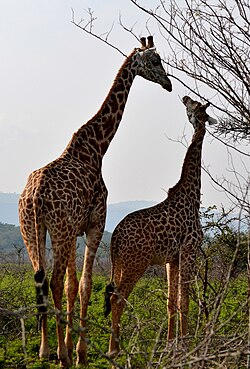
Further biodiversity is found in Akagera National Park, where giraffes and other wildlife thrive, showcasing Rwanda's commitment to environmental preservation.
Economy and Infrastructure
Rwanda's economy is heavily rooted in agriculture. While banana production is high in volume, coffee serves as the largest cash crop due to its profitability on the global market.

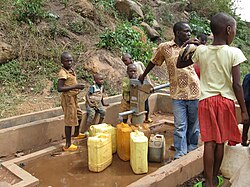
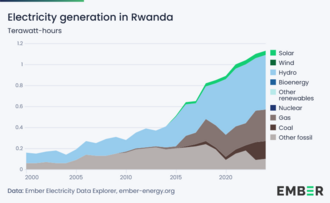
The government has invested heavily in infrastructure to modernize the country. This includes expanding electricity generation and improving rural water supply and sanitation to enhance the quality of life for its citizens.
Education and Health
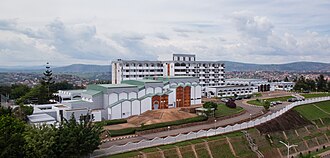
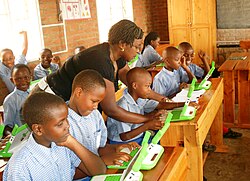
Education has seen a digital shift, exemplified by the One Laptop Per Child programme, which provides laptops to primary school students. In healthcare, facilities like Butaro Hospital in the Northern Province represent the ongoing effort to improve medical access across the country.
Culture and Society
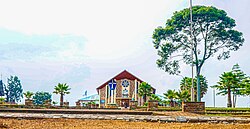
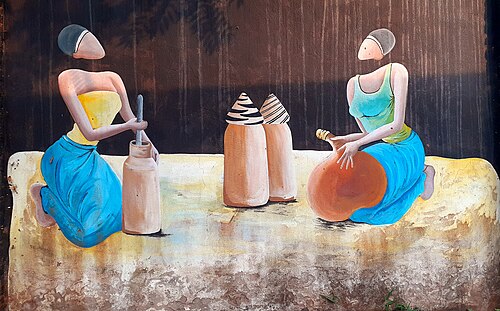
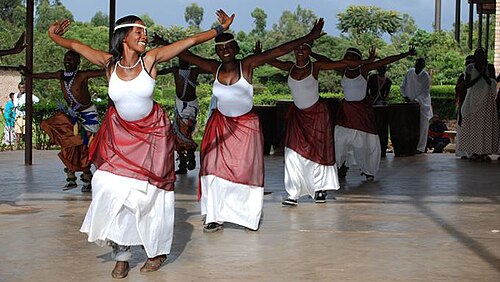
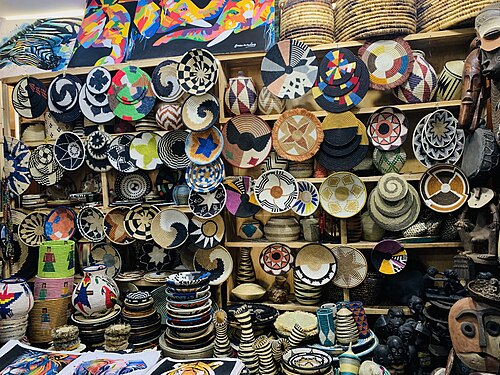
Rwandan culture is a rich tapestry of tradition and faith. Christianity is the predominant religion, with significant sites such as the Catholic shrine of Our Lady of Kibeho. Traditional arts, including intricate woven baskets and rhythmic dance, remain integral to the national identity.
Cuisine and Sport
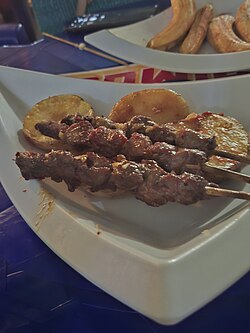
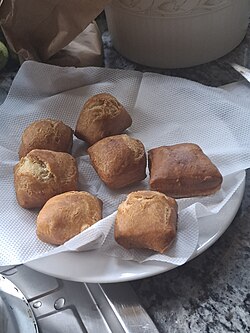
The local diet features popular items such as brochettes (grilled meat on sticks) and Mandazi, a shortcake that originated in neighboring Tanzania.
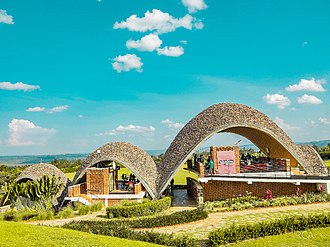
In sports, Rwanda has seen success in cycling, with athletes like Adrien Niyonshuti competing in the Summer Olympics. Additionally, cricket is gaining popularity, supported by facilities like the Gahanga Cricket Stadium.
![Adrien Niyonshuti, "one of the most famous people in Rwanda",[401] competing in the cross-country mountain biking event at the 2012 Summer Olympics](/images/13/7b/137b658d55fef6a3b02b6294db335d337a14f71aacc73722772ef1ee6262e743.jpg)
National Summary
| Category | Detail |
|---|---|
| Total Area | 26,338 km² |
| Population (2025 Est.) | 14,104,969 |
| GDP (PPP 2026 Est.) | $65.461 billion |
| HDI (2023) | 0.578 (Medium) |
| Main Ethnic Groups | Hutu (85%), Tutsi (14%), Twa (1%) |
Frequently Asked Questions
What are the official languages of Rwanda?
Rwanda has four official languages: Kinyarwanda, English, French, and Swahili, with Kinyarwanda serving as the national language.
Which is the most important cash crop for Rwanda's economy?
Coffee is the largest cash crop due to its profitability, although bananas are produced in larger quantities.
Where can one find mountain gorillas in Rwanda?
Mountain gorillas are found in the Volcanoes National Park, which houses the largest population of these primates in the world.
What is the current form of government in Rwanda?
Rwanda is a unitary semi-presidential republic.
What is the capital and largest city of Rwanda?
The capital and largest city is Kigali.