Royal Military College of Canada: A History of Athletics and Identity
The Royal Military College of Canada (RMC) in Kingston has long balanced the rigors of academic excellence with a strong tradition of physical discipline and competitive sports. From early 20th-century gymnastics to the evolution of its varsity identity, the college's athletic history reflects its broader institutional changes, including its transition to a coeducational and bilingual university.
In the early 1900s, physical training was central to the cadet experience. This was exemplified by gymnastics routines that emphasized balance, strength, and cooperation. One such tradition involved the creation of human pyramids, where students formed layers of people to demonstrate teamwork and stability.
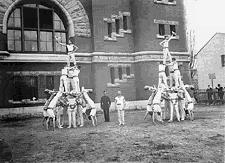
The Balance of Academics and Athletics
RMC has historically maintained a strict standard for its student-athletes. During the 1931–32 academic year, Brigadier WHP Elkins, the RMC Commandant, implemented an academic eligibility rule for the football and hockey teams. This policy barred any cadet with an academic average below 40% from participating. Following the introduction of this rule, the Commandant reported a noticeable improvement in classwork quality while the teams continued to find success in intercollegiate competitions.
From Redmen to Paladins: An Identity Shift
Following World War II, RMC varsity athletes competed under the name Redmen (informally known as "Reddies"). This name was derived from the college's tradition of wearing scarlet uniforms during formal parades and the fact that the institution was all-male at the time.
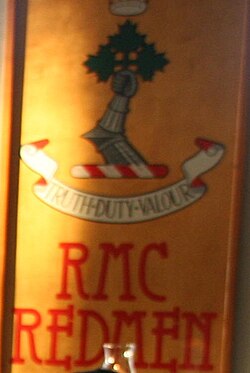
By the mid-1990s, several factors necessitated a change in branding. Women had been cadets at RMC for sixteen years, making the gender-specific "Redmen" title outdated. Additionally, the college faced criticism that the name was derogatory toward Canada's Aboriginal People. The institutional landscape also shifted in 1995 with the closure of the College militaire royal de St-Jean (CMR) and Royal Roads Military College (RRMC), leading to an influx of francophone students and RMC's transformation into a bilingual university.
General Charles Emond, the Commandant at the time, determined that a new, inclusive name was required. He established strict criteria for the replacement: it had to be unisex, original, bilingual, and representative of the profession of arms. Furthermore, the name had to represent a person, people, or animal—rather than an object—and be easily integrated into college songs and chants.
The Selection Process
The transition was a democratic and thorough process that lasted two years. Committees of staff and cadets proposed twenty-four potential names, including the Cavaliers and the Red's. The final three choices—the Sabers and the Paladins being the most popular—were campaigned for using specific logos and mascots to help the community visualize the new identity.
In 1997, Lieutenant Colonel (LCol) Michaud announced that the Paladins had won the vote by a landslide of 70%. The name refers to the knights of the Crusades, who were known for being honest, courageous, loyal, and chivalrous warriors.
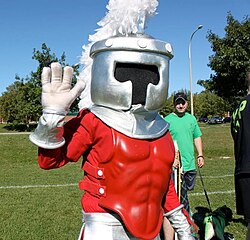
While the official logo was updated in 2002 by Rear-Admiral David Morse to feature the RMC royal crown and mailed fist, some traditions persist. To this day, the rugby and hockey teams occasionally use the name "Redmen" in unofficial settings, maintaining a link to the college's past despite their official Paladins uniforms.
Evolution of the Varsity Sports Program
The scope of RMC's athletic offerings has fluctuated over time. In 2001, the college reduced its interuniversity programs from 30 down to 11. This scaling back, finalized in 2002 by R.Adm. Morse, aimed to consolidate skilled athletes to increase competitiveness and foster the leadership and teamwork necessary for future military service.
This decision was controversial among students and alumni, as it eliminated several programs, including:
- Swimming and Rowing
- Track and Field
- Biathlon and Karate
- Men's and Women's Rugby Union
The college retained core teams in hockey, soccer, volleyball, basketball, taekwondo, and fencing. However, following lobbying from alumni and students, the Men's Rugby team was reinstated at the varsity level in 2004, and the RMC Running Team returned to OUA/CIS competition in 2007.
Key Facts
- Academic Standard: Since 1931, RMC has used academic eligibility rules (originally a 40% average) to ensure students prioritize studies over sports.
- Name Change: The transition from "Redmen" to "Paladins" was completed in 1997 to reflect a coeducational, bilingual, and inclusive environment.
- Paladin Meaning: The name honors the chivalrous and courageous knights of the Crusades.
- Program Shifts: Varsity sports were consolidated from 30 programs to 11 in the early 2000s to increase competitiveness.
| Feature | Former Identity (Redmen) | Current Identity (Paladins) |
|---|---|---|
| Era | Post-WWII to 1996 | 1997 to Present |
| Basis of Name | Scarlet uniforms; all-male student body | Chivalrous knights of the Crusades |
| Institutional Context | Single-gender institution | Bilingual and coeducational university |
| Logo Focus | Traditional red colors | Royal crown and mailed fist (since 2002) |
Frequently Asked Questions
Why did RMC change its varsity name from Redmen to Paladins?
The change was made to be more inclusive of women, who had been cadets for sixteen years, and to address criticisms that "Redmen" was derogatory toward Canada's Aboriginal People. It also aligned with the college's transition to a bilingual institution.
What criteria were used to choose the name Paladins?
General Charles Emond required the name to be unisex, original, bilingual, and representative of the profession of arms. It also had to represent a person, people, or animal and be easy to use in college chants.
Which sports teams were cut during the 2002 program consolidation?
The college cut several programs, including swimming, rowing, track and field, biathlon, karate, and rugby union, though Men's Rugby was later reinstated in 2004.
Do any teams still use the name Redmen?
Yes, the hockey and rugby teams continue to use the name "Redmen" in unofficial forums as a way to maintain old traditions, even though their official uniforms say Paladins.
How was the name Paladins officially selected?
After committees proposed 24 names, a vote was held among staff and students. The Paladins won with 70% of the vote after a two-year selection process that included advertising logos and mascots for the top choices.