Royal BC Museum Collections: Preserving the Natural and Human History of British Columbia
The Royal BC Museum serves as a vital repository for the heritage of British Columbia. Guided by a strict collection policy and the Museum Act, the institution is mandated to secure, maintain, and provide access to artifacts that illustrate the province's natural and human history. To ensure a comprehensive record, the museum categorizes its holdings into significant objects, representative objects, and comparative objects.
Key Facts
- The museum's mandate is strictly limited to the natural or human history of British Columbia.
- It houses the largest collection of First Nations archaeological material in the province.
- The Natural History department is divided into eight distinct scientific disciplines.
- The fossil collection spans a timeline from 600 million to 20,000 years ago.
- The museum maintains one of western Canada's oldest native plant gardens, established in 1967.
Human History Collections
The Human History department focuses on the cultural, social, and economic evolution of the people of BC. This department has been collecting anthropological artifacts since the museum's inception in 1886. In alignment with modern ethical standards, a significant number of these artifacts are currently being repatriated to First Nations groups.
Archaeology and Ethnology
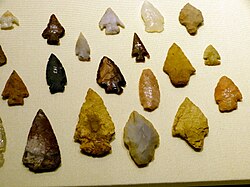
The archaeology division is a cornerstone of the museum, housing over 192,000 artifacts. This makes it the most extensive collection of First Nations archaeological material in British Columbia. Complementing this is the ethnology collection, which contains over 14,000 indigenous artifacts, ranging from utilitarian tools to ceremonial objects.
Modern History
The Modern History department uses material culture to portray the province's more recent past. Its collection of 165,000 artifacts includes diverse items such as textiles, furniture, silverware, and equipment from breweries, mines, and canneries. Notable highlights include the Man Yuk Tong collection of authentic Chinese herbalist implements and a traditional Hoshan-style lion's head from the 1970s Vancouver Chinese Freemasons Athletic Club.
Natural History Collections
Established in 1886, the Natural History department documents the province's biodiversity. Managed by curators, collection managers, and specialized preparators, the department processes annual donations and collections to provide essential data for the scientific and educational communities.
Palaeontology and Botany
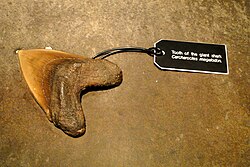
The palaeontology discipline manages approximately 55,000 specimens, including rock samples from BC mines and fossils dating from 600 million to 20,000 years old.
The botany discipline focuses on BC's plant life with over 200,000 specimens. This includes a native plant garden started in 1967 that currently hosts approximately 400 native species.
Zoological Disciplines
The museum's zoological records are split across several specialized fields:
- Entomology: Focuses on insects and arachnids. As of 2010, it held 245,000 accessioned specimens and 150,000 pending accession. These are used for species range maps and habitat research.
- Invertebrate Zoology: Contains 65,000 lots of marine and freshwater invertebrates (such as molluscs and crustaceans) and over 250 type specimens—the original specimens used to describe a species.
- Ichthyology: Dedicated to the fish of BC, with approximately 14,000 marine and freshwater specimens.
- Herpetology: Focuses on BC's amphibians and reptiles, consisting of roughly 5,000 lots.
- Ornithology: A comprehensive bird collection featuring 19,335 study skins, 3,027 skeletons, 2,713 egg clutches, 375 nests, and 43 fluid-preserved specimens.
- Mammalogy: A collection of 18,000 mammal specimens, primarily skeletons, mostly sourced from BC.
Collection Summary Table
| Department/Discipline | Approximate Number of Specimens/Artifacts | Primary Focus |
|---|---|---|
| Archaeology | 192,000+ | First Nations archaeological material |
| Modern History | 165,000 | Material culture (industry, domestic life) |
| Ethnology | 14,000+ | Indigenous ceremonial and utilitarian objects |
| Botany | 200,000+ | BC plant species |
| Entomology | 395,000 (total) | Insects and arachnids |
| Palaeontology | 55,000 | Fossils and rock specimens |
| Invertebrate Zoology | 65,000 lots | Marine and freshwater invertebrates |
Frequently Asked Questions
What is the primary purpose of the Royal BC Museum's collection?
The museum's purpose is to preserve and manage artifacts and specimens that illustrate the natural and human history of British Columbia, as authorized by the Museum Act.
What are "type specimens" in the invertebrate collection?
Type specimens are the specific individual specimens that were used in the original scientific description of a particular species.
How does the museum handle First Nations artifacts?
The museum holds the largest collection of First Nations archaeological material in BC, and it is currently in the process of repatriating a significant number of these artifacts back to First Nations groups.
What is the age range of the fossils in the palaeontology collection?
The fossil specimens range in age from 600 million years old to 20,000 years old.
What is included in the Modern History collection?
The collection includes 165,000 items such as furniture, textiles, and silverware, as well as specialized collections like the Man Yuk Tong herbalist implements and items from BC's mining and canning industries.