Rolls-Royce: Powering Global Aerospace, Marine, and Energy Systems
Rolls-Royce is a global leader in the design and manufacture of high-performance power systems. While the name is often associated with luxury automobiles, the aircraft and power systems business operates as a distinct entity, specializing in aerospace, defence, energy, and marine industries. From the engines that power the world's largest passenger jets to the nuclear reactors in submarines, Rolls-Royce provides the critical propulsion and energy infrastructure for modern transport and security.
Key Facts
- Revenue: £21,207 million (2025)
- Net Income: £5,836 million (2025)
- Workforce: Approximately 50,000 employees (2025)
- Core Markets: Civil Aerospace, Defence, and Marine propulsion.
- Key Leadership: Anita Frew (Chair) and Tufan Erginbilgic (CEO).
- Stock Listing: Traded on the London Stock Exchange (LSE: RR) and a member of the FTSE 100.
Corporate Evolution and Leadership
The current iteration of the company has a complex history of restructuring and ownership. While the original partnership was founded by Charles Rolls and Henry Royce on December 23, 1904, the modern corporate structure has evolved through several phases, with the current company established on February 10, 2011. Today, the firm is led by CEO Tufan Erginbilgic, who took the helm in January 2023, and Chair Anita Frew, appointed in October 2021.
To maintain its competitive edge, Rolls-Royce has engaged in strategic acquisitions and joint ventures. Notable expansions include the acquisition of the Allison Engine Company and Vickers/Vinters, as well as partnerships such as Rolls-Royce Deutschland (a BMW joint venture) and Rolls-Royce Power Systems (a Tognum joint venture with Daimler).
Aerospace Innovation
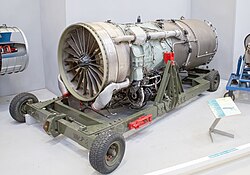
The heart of the business lies in its aerospace division, where it develops a wide array of propulsion technologies. These include turbojets (engines that use a constant stream of air for thrust), turbofans (more efficient engines that bypass some air around the core), and turboshafts (engines used primarily for helicopters).
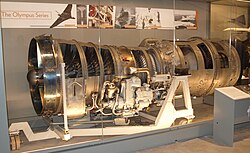
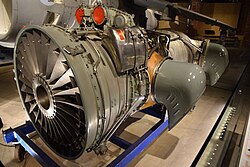
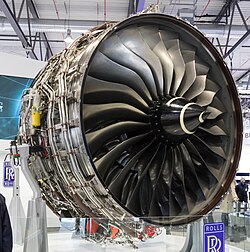
The Trent family of engines represents the pinnacle of their civil aerospace offering. The Trent XWB, the company's largest engine, is a primary powerplant for the Airbus A350. Other significant achievements include the Olympus 593, which powered the Concorde supersonic transport, and the Pegasus engine, featuring vectored thrust for the Harrier jump jet.
Rolls-Royce has secured some of the largest contracts in aviation history. In 2015, the company received a record £6.1 billion order to supply engines for 50 Emirates A380 aircraft. Additionally, the company provides power for the Boeing 787 via the Trent 1000 and maintains a strong presence in military aviation with the Eurofighter Typhoon and Lightning II.
Marine and Nuclear Power
Beyond the skies, Rolls-Royce is a critical provider of marine propulsion and energy systems. Their portfolio includes gas turbines like the MT30 and various propulsion systems such as Kamewa waterjets and MerMaid pod propulsion. The company also specializes in stabilisers, which reduce ship motion to improve comfort and safety.
A cornerstone of their defence business is the provision of nuclear reactors for submarines. The company develops and maintains PWR (Pressurized Water Reactor) systems, ensuring the long-term operational capability of naval fleets.
Financial and Operational Summary
The following table provides a snapshot of the company's financial standing and organizational reach as of 2025.
| Metric | Value |
|---|---|
| Total Revenue | £21,207 million |
| Operating Income | £4,468 million |
| Net Income | £5,836 million |
| Total Assets | £38,115 million |
| Total Equity | £2,753 million |
| Employee Count | 50,000 |
Frequently Asked Questions
Does Rolls-Royce make the luxury cars?
No. The aircraft engine and power systems business is a separate entity from Rolls-Royce Motor Cars. This article focuses on the aerospace, defence, and marine company.
What is the Trent XWB?
The Trent XWB is the largest engine produced by Rolls-Royce and is specifically designed to power the Airbus A350XWB.
What industries does Rolls-Royce serve?
The company operates across four primary sectors: Aerospace, Defence, Energy, and Marine.
What is the difference between a turbojet and a turbofan?
A turbojet passes all intake air through the engine core, while a turbofan bypasses a portion of the air around the core, which generally increases fuel efficiency and reduces noise.
Which famous aircraft did Rolls-Royce power?
Rolls-Royce powered several iconic aircraft, including the Concorde (via the Olympus 593), the Harrier jump jet (via the Pegasus), and the Airbus A380 (via the Trent series).