Rock Concerts: The Evolution of a Global Cultural Phenomenon
A rock concert is a live performance of rock music, serving as a cornerstone of global entertainment. What began as an experimental fusion of sounds in the mid-twentieth century has evolved into a massive industry, shaping youth identity and challenging social norms across the world.
The Origins of Rock and Roll
During the 1950s, several American musical groups began experimenting with new forms of expression. By fusing country music, blues, and the swing genre, these artists produced the earliest examples of what we now know as "rock and roll."
The term "rock and roll" is widely attributed to Alan Freed, an American disk jockey and concert promoter. Freed played a pivotal role in the genre's early growth by organizing many of the first major rock concerts, helping the music transition from experimental recordings to live spectacles.
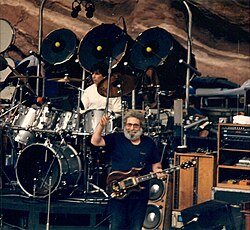
Standardizing the Modern Concert Experience
While the music provided the energy, the logistics of the live experience were refined by Bill Graham. He is credited with establishing the format and standards that define modern rock concerts today.
Graham introduced several critical innovations to improve the attendee experience and safety, including:
- Advance Ticketing: He implemented advance ticket sales, which later evolved into computerized and online systems.
- Enhanced Security: In response to the tragedies at the Altamont concert, Graham introduced modern security measures to protect crowds.
- Venue Hygiene: He prioritized basic necessities, ensuring large venues provided clean toilets and safe conditions for the public.
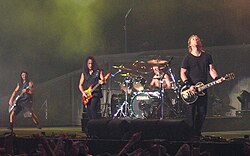
Cultural Impact and Audience Behavior
Rock concerts are more than just musical events; they are emblematic of a shift toward less formality in American culture. During eras of social revolution, these gatherings were crucial in the formation of youth identity, often representing a "rebellious" stance against the strict social norms of the mid-twentieth century.
The atmosphere at these events is typically playful. Common behaviors include dancing, shouting, and singing along with the performers. While many musicians utilize ostentatious displays to engage the crowd, some of the most successful bands have opted for understated performances that keep the focus entirely on the music.
Historic Milestones
From the legendary gathering at Woodstock to the millions of smaller shows that occur annually, rock concerts have left an indelible mark on history. The scale of these events can reach staggering proportions, as seen in the largest rock concert ever recorded.
| Event/Person | Significance | Key Detail |
|---|---|---|
| Alan Freed | Terminology & Promotion | Coined "rock and roll" and organized early major concerts. |
| Bill Graham | Industry Standards | Introduced advance ticketing and modern security. |
| Woodstock | Cultural Icon | One of the most famous rock concerts in history. |
| Rod Stewart | Attendance Record | Performed for an estimated 4.2 million people in Rio de Janeiro. |
Key Facts
- Origins: Rock and roll emerged in the 1950s from a blend of country, blues, and swing.
- Record Attendance: Rod Stewart's New Year's Eve 1993-94 concert on Copacabana Beach drew an estimated 4.2 million people.
- Industry Shift: Bill Graham revolutionized the industry with computerized ticketing and improved venue safety.
- Social Role: Rock concerts served as a vehicle for youth identity and rebellion against mid-century social strictures.
Frequently Asked Questions
Who is credited with coining the term "rock and roll"?
The phrase is often attributed to Alan Freed, an American disk jockey and concert promoter who helped organize the first major rock concerts.
How did Bill Graham change the rock concert experience?
Bill Graham introduced advance and computerized ticketing, implemented modern security measures following the Altamont concert, and ensured venues had safe conditions and clean facilities.
What is the largest rock concert in history?
The largest was performed by Rod Stewart on Copacabana Beach in Rio de Janeiro on New Year's Eve 1993-94, with an estimated 4.2 million attendees (though some may have attended only for the midnight fireworks).
What cultural significance did rock concerts have in the U.S.?
They represented a decline in social formality and were essential to the development of youth identity during times of social revolution, often symbolizing rebellion against strict mid-twentieth-century norms.
Are all rock concerts characterized by flashy performances?
No. While ostentatious displays are common, some highly successful rock bands prefer understated performances that focus primarily on the music itself.