RIBA: The Professional Standard for Architecture in the UK and Beyond
Founded in 1834 as the Institute of British Architects, the Royal Institute of British Architects (RIBA) serves as the premier professional membership body for architects in the United Kingdom and an increasingly global community. As a chartered body corporate and registered charity, RIBA is dedicated to promoting the highest standards of architectural education, practice, and design policy.
From its historic roots in London to its expansive network of regional and international chapters, RIBA provides the framework for professional designation and excellence in the built environment. Its influence extends from the technical guidance of the RIBA Plan of Work to the curation of one of the world's most significant architectural archives.
Key Facts
- Founded: 1834 in London.
- Membership: 29,203 chartered architects as of 2020.
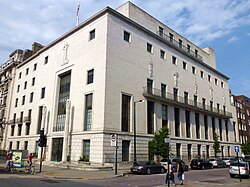
- Headquarters: 66 Portland Place, London (temporarily relocating to Tavistock Square from mid-2025 for refurbishment).
- Library: The British Architectural Library is the largest in Europe and one of the three largest globally.
- Leadership: Led by a President (currently Chris Williamson for 2025–2027) and a Chief Executive (Valerie Vaughan-Dick).
Professional Designations and Structure
RIBA provides several tiers of membership that signify an architect's level of experience and qualification. These designations are recognized globally as markers of professional competence.
Membership Tiers
- RIBA: A chartered member of the Royal Institute of British Architects.
- FRIBA: A Fellow of the Royal Institute of British Architects (includes Honorary Fellows).
- ARIBA: Associate of the Royal Institute of British Architects (this designation is no longer granted to new members).
The institute's leadership is headed by the President, designated as PRIBA, while past presidents use the title PPRIBA. The organization is governed by the RIBA Board and the RIBA Council.

Regional and Global Reach
While predominantly serving the UK, RIBA maintains a vast network to support architects across different geographies. This includes specialized regional bodies and international chapters.
UK Regions and National Societies
The UK is divided into several regional hubs, including RIBA London, North West, South East, and West Midlands, among others. Additionally, RIBA works alongside national societies such as the Royal Incorporation of Architects in Scotland (RIAS), the Royal Society of Architects in Wales (RSAW), and the Royal Society of Ulster Architects (RSUA).
International Presence
To support the global nature of the profession, RIBA operates chapters in the Americas (including the USA), Asia and Australasia, Europe, and the Middle East and Africa.

Cultural Contributions and Assets
Beyond professional certification, RIBA is a custodian of architectural history and a promoter of design excellence.
The British Architectural Library
Established in 1834, the library is a cornerstone of architectural research, providing an exhaustive collection of records and publications for professionals and students alike.

The House of Architecture
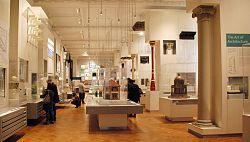
The headquarters at 66 Portland Place is undergoing a £20 million refurbishment to become the new "House of Architecture." This project coincides with the termination of a long-term partnership with the Victoria and Albert (V&A) Museum in 2027. Consequently, artifacts from the V&A + RIBA Architecture Gallery will be transferred back to RIBA's own collections.
Diversity and Representation
RIBA has faced ongoing challenges regarding representation within the profession. In 1985, women made up less than 5% of chartered architects. By 2017, this figure rose to 17%, and more recently, women comprise 31% of architects.
To address these disparities, RIBA established the Women Architects Forum (1985) and later the Architects For Change equality forum in 2000, which serves as an umbrella for groups like the Society of Black Architects. In November 2024, RIBA commissioned the Fawcett Society to investigate gender equity, noting a current average gender pay gap of 16%.
RIBA Summary Table
| Feature | Detail |
|---|---|
| Legal Status | Chartered body corporate and registered charity |
| Primary Purpose | Professional membership body for architects |
| Key Assets | British Architectural Library, 66 Portland Place |
| Governance | RIBA Board and RIBA Council |
| Global Reach | Americas, Asia, Australasia, Europe, Middle East, Africa |
Frequently Asked Questions
What is the difference between RIBA and FRIBA?
RIBA denotes a chartered member of the institute, while FRIBA denotes a Fellow, which is a higher designation typically awarded based on significant experience and contribution to the profession.
Where is RIBA headquartered?
The main headquarters is located at 66 Portland Place, London. However, from mid-2025, the office will temporarily move to Tavistock Square while the main building undergoes a £20 million refurbishment.
What is the RIBA Plan of Work?
The RIBA Plan of Work is a framework that defines the process of building a project, providing a standard set of stages to ensure consistency and quality across architectural projects.
Who is the current President of RIBA?
As of the 2025–2027 term, the President of RIBA is Chris Williamson. He follows Muyiwa Oki, who served from 2023 to 2025.
How is RIBA addressing gender inequality?
RIBA has established equality forums and, most recently in November 2024, commissioned the Fawcett Society to conduct a formal investigation into gender equity and the gender pay gap within the architectural profession.