Reunion Arena: The History of a Dallas Entertainment Landmark
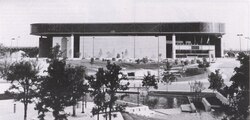
Completed in 1980 at a cost of $27 million, Reunion Arena served as a cornerstone of Dallas, Texas, entertainment for nearly three decades. Named after the mid-19th century commune La Reunion, the venue was a versatile hub for professional sports, world-class music, political rallies, and even high-speed motor racing.
The arena was architecturally notable for being the final NBA or NHL venue constructed without luxury suites. It also held the distinction of being the last NHL arena to utilize an American Sign and Indicator scoreboard, though its color matrix boards were eventually upgraded to Sony Jumbotron video screens in 1991.
Key Facts
- Opened: 1980; Closed: June 30, 2008.
- Primary Tenants: Dallas Mavericks (1980–2001) and Dallas Stars (1993–2001).
- Capacity: Up to 17,000 for specific events.
- Unique Feature: Last NBA/NHL arena built without luxury suites.
- Racing: Hosted the Dallas Street Circuit from 1993 to 1996.
A Hub for Professional Sports
For over two decades, Reunion Arena was the heart of professional basketball and hockey in Dallas. It served as the home for the Dallas Mavericks starting in 1980 and later the Dallas Stars beginning in 1993. Both franchises relocated to the American Airlines Center in 2001.
Beyond the major leagues, the arena hosted the Dallas Desperados of the arena football league for their 2003 season and the MISL Dallas Sidekicks until the club became inactive after 2004. It was also a premier destination for collegiate athletics, hosting the Southwest Conference men's basketball tournament (1982–1983, 1985–1996) and the 1986 NCAA Final Four.
The "Barnhill South" Connection
The arena earned the nickname "Barnhill South" among University of Arkansas Razorbacks fans due to the massive traveling support the team received in Dallas, mirroring the atmosphere of their home venue, Barnhill Arena.
Music and Entertainment Legacy
With 30,000 square feet of floor space and excellent sightlines, Reunion Arena became one of the most sought-after venues for global music stars. While The Who was promoted as the first concert on July 2, 1980, the honor actually went to Parliament-Funkadelic on May 9, 1980.
The venue was particularly renowned as a top stop for hard rock and heavy metal. Its influence extended to visual media, as music videos for Queen's "Another One Bites The Dust," Scorpions' "Still Loving You," and Mötley Crüe's "Home Sweet Home" were filmed at or around the arena.
Diverse Musical Genres
- Pop and Hitmakers: Icons such as Michael Jackson, Madonna, Prince, and Elton John performed multiple sold-out dates.
- Country: Superstars including Garth Brooks, Shania Twain, and George Strait dominated the scene.
- Soul and R&B: The venue hosted legends like Stevie Wonder, Ray Charles, and the Jackson 5.
- Hip-Hop: Early large-scale rap concerts featured Grandmaster Flash and the Furious Five, followed later by Jay-Z and Eminem.
Political Rallies and Dignitaries
Due to its size and location, Reunion Arena was a frequent stop for U.S. presidential candidates and leaders. Notable visits included:
- Ronald Reagan: Spoke at a prayer breakfast for 10,000 people in 1984.
- Ross Perot: Held his final 1992 independent presidential campaign stop here.
- Bill Clinton: Visited in 1994 to support the University of Arkansas basketball team.
- George W. Bush: Headlined a rally for Gov. Rick Perry in 2006.
- Barack Obama: Filled the arena to its 17,000-person capacity in February 2008.
The Dallas Street Circuit
From 1993 to 1996, the area surrounding the arena was transformed into a temporary street circuit. This 1.290-mile track featured 10 turns and hosted several high-profile racing series.
| Category | Time | Driver | Vehicle | Event |
|---|---|---|---|---|
| WSC | 0:52.550 | Eliseo Salazar | Ferrari 333 SP | 1996 Grand Prix of Dallas |
| Trans-Am | 0:55.690 | Ron Fellows | Ford Mustang | 1994 Dallas Trans-Am round |
| GTS-1 | 0:57.437 | Irv Hoerr | Oldsmobile Aurora | 1996 Grand Prix of Dallas |
Community Service and Final Days
Reunion Arena also served the public during times of crisis. It hosted an emergency blood drive on September 11, 2001, and provided shelter for evacuees of Hurricane Katrina in late 2005.
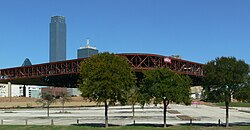
The arena officially closed on June 30, 2008. After the city council explored the possibility of a movie company funding an implosion, it was determined that the building would be demolished via traditional methods. Demolition was completed on November 17, 2009.
Frequently Asked Questions
Which professional sports teams called Reunion Arena home?
The Dallas Mavericks (1980–2001) and the Dallas Stars (1993–2001) were the primary professional tenants.
Who was the first musical act to perform at the venue?
Although The Who was promoted as the first, Parliament-Funkadelic actually performed first on May 9, 1980.
What was the Dallas Street Circuit?
It was a temporary 1.290-mile racing track with 10 turns set up around the arena between 1993 and 1996, hosting events like the IMSA GT Championship.
When was Reunion Arena demolished?
The arena officially closed in June 2008, and demolition was completed on November 17, 2009.
Which U.S. Presidents visited Reunion Arena?
Ronald Reagan, Bill Clinton, George W. Bush, and Barack Obama all appeared or visited the arena during their careers.