Retail Industry: Evolution, Strategy, and Global Market Dynamics
Retail is the process of selling goods and services directly to consumers. Unlike wholesaling, which focuses on business or institutional clients, retailing serves as the final link in the supply chain. Retailers purchase products in bulk from manufacturers or wholesalers and sell them in smaller quantities to the end user to generate a profit.
From the itinerant peddlers of antiquity to the massive digital ecosystems of today, the retail landscape has undergone a profound transformation. Modern retail is no longer just about the exchange of goods; it is a sophisticated blend of supply chain management, psychological triggers, and immersive customer experiences.
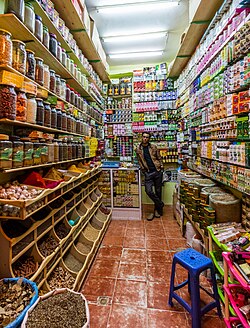
Key Facts
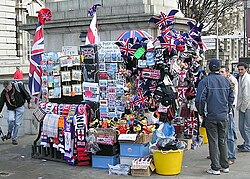
- The 6 Ps: Retail strategy is driven by Product, Place, Promotion, Price, Personnel, and Presentation.
- Omnichannel Shift: Modern retailers combine physical brick-and-mortar stores with online platforms to reach broader markets.
- Labor Trends: Retail often relies on flexible scheduling; for example, approximately 70% of U.S. retail workers were part-time in 2012.
- Economic Scale: The industry includes giants like Walmart and Amazon, with annual revenues reaching hundreds of billions of dollars.
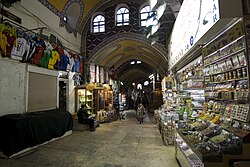
- Historical Roots: Permanent retail shopfronts date back to Trajan's Forum, while the Grand Bazaar in Istanbul (est. 1455) is one of the oldest covered markets.
The Retail Marketing Mix
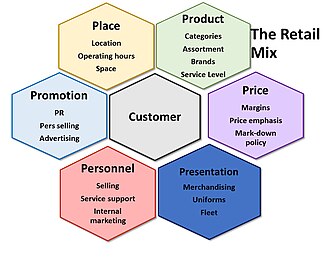
To remain competitive, retailers employ a structured approach known as the retail marketing mix. This framework allows businesses to align their internal capabilities with market demands.
The 6 Ps of Retailing
- Product: Determining the optimal product assortment to meet customer needs.
- Place: Decisions regarding location, operating hours, and access.
- Promotion: Strategies to attract and retain customers.
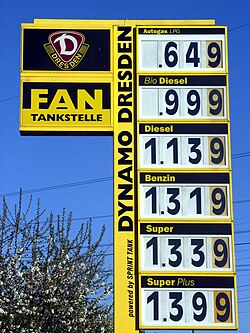
- Price: Implementing tactics such as everyday low pricing, loss leaders, bundling, or psychological pricing (e.g., using the terminal digit 'nine').
- Personnel: Managing the staff who interact with consumers.
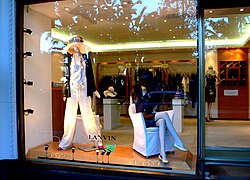
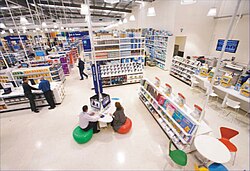
- Presentation: Also known as physical evidence, this involves the servicescape—the layout, lighting, signage, and overall functionality of the store.
Strategic Analysis and Procurement
Retailers do not operate by chance; they use environmental scanning and structured analysis to guide their procurement. This includes market analysis (size and trends), a review of the product mix (sales per square foot and stock-turnover rates), and cost-benefit evaluations of planned activities.
Retail Formats and Consumer Behavior

Retailers choose formats based on their target market and strategic positioning. These range from specialized stores to general outlets that serve multiple community needs.
Diverse Store Types
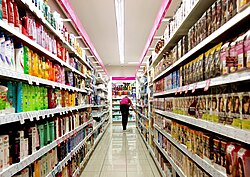
- Hypermarkets and Supercenters: Massive stores carrying a vast assortment of products, often between 30,000 and 60,000 different items.
- Specialty Stores: Focused on specific categories, such as hardware or furniture.
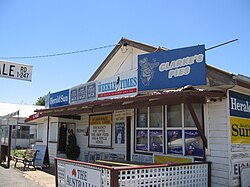
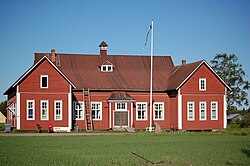
- General Stores: Local hubs that may combine roles, such as acting as a post office, grocer, and petrol station simultaneously.
- E-commerce: Purely digital platforms that eliminate the need for physical storefronts.
The Shopper's Experience
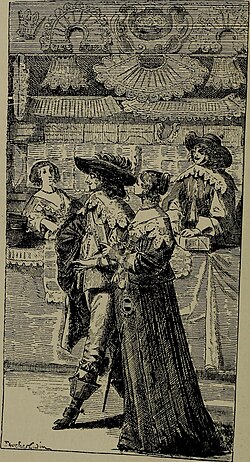
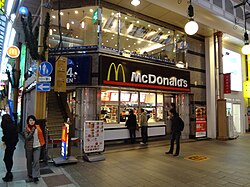
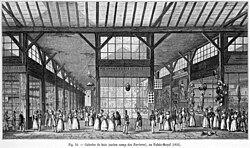
Understanding the shopper is critical. For instance, recreational shoppers visit stores for pleasure rather than necessity, a behavior rooted in the grand European shopping arcades. To enhance this experience, retailers use cross-selling—the practice of suggesting related products, such as the famous "Would you like fries with that?" script used by McDonald's.
The Evolution of Retail
The history of retail reflects the broader evolution of human commerce and urban development.
Ancient and Medieval Beginnings
Early retail systems were highly developed in China; by 200 BCE, packaging and branding were used to signal quality and origin. During the Song dynasty (960–1127), a consumerist culture emerged where ordinary citizens, not just the elite, could access a variety of goods.

The Rise of the Modern Shop
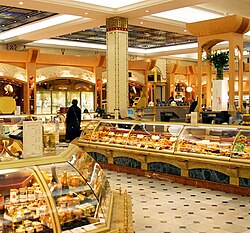
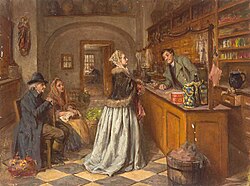
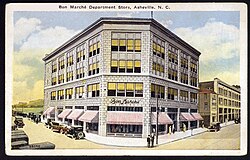
By the 17th century, permanent shops began replacing temporary fairs. The 18th century brought the innovation of the retail service counter, and the mid-19th century saw the birth of the department store, such as Le Bon Marché in France. These changes allowed customers to browse and touch merchandise, shifting the experience from a simple transaction to an activity of discovery.
Technology and the Future of Retail
Digital transformation is reshaping how goods are sold and purchased. Omnichannel retailing allows customers to blend their experiences, such as buying an item online and picking it up in-store.
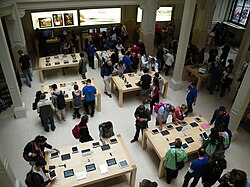
Modern technology also enables hyper-personalization of the customer experience and the optimization of supply chains. Some firms are even testing cashierless formats to remove friction from the buying process. In high-end retail, technology is integrated into the environment—such as Apple's concept stores—to create an immersive experience.
Global Retail Landscape
The global market is dominated by a few massive entities that leverage scale to maintain low prices and wide distribution.
| Rank | Company | Headquarters | Revenue (US$ Billion) | Foundation Type | Store Count |
|---|---|---|---|---|---|
| 1 | Walmart | United States | $676 | Hypermarket/Supercenter | 10,692 |
| 2 | Amazon | United States | $393 | Ecommerce | 605 |
| 3 | Schwarz Gruppe (Lidl) | Germany | $182 | Discount Grocery | 14,244 |
| 4 | Aldi | Germany | $155 | Discount Grocery | 13,877 |
| 5 | Costco | United States | $246 | Warehouse Club | 890 |
| 6 | Ahold Delhaize | Netherlands | $99 | Grocery Store | 8,111 |
| 7 | Carrefour | France | $98 | Hypermarket/Supermarket | 14,961 |
| 8 | Seven & I | Japan | $90 | Convenience Store | 41,128 |
| 9 | IKEA | Sweden | $51 | Furniture | 489 |
| 10 | Home Depot | United States | $155 | Hardware Store | 2,347 |
Frequently Asked Questions
What is the difference between retail and wholesaling?
Retail is the sale of goods and services to individual consumers, whereas wholesaling involves selling to other businesses or institutional customers.
What are the "6 Ps" of the retail marketing mix?
The 6 Ps are Product, Place, Promotion, Price, Personnel, and Presentation (physical evidence).
What is psychological pricing?
Psychological pricing involves using pricing tactics to influence consumer perception, such as ending a price with the digit 'nine' to make a product seem cheaper.
What is omnichannel retailing?
Omnichannel retailing is a multichannel model that integrates physical brick-and-mortar stores with online platforms to provide a seamless customer experience, such as "buy online, pick up in store."
Who are recreational shoppers?
Recreational shoppers are individuals who shop for pleasure and enjoyment rather than out of a specific need for a product.