Rescue Archaeology: Preserving History Amidst Modern Development
As modern cities expand and infrastructure evolves, the physical remnants of our past are often at risk of being lost forever. Rescue archaeology—also known as commercial, preventive, salvage, or developer-funded archaeology—serves as a critical safeguard for human history. This state-sanctioned practice involves archaeological surveys and excavations conducted as part of the formal planning process, ensuring that significant finds are recorded before construction or land development begins.
Unlike traditional academic research, which may span decades, rescue archaeology is often defined by its urgency. Because these projects occur in anticipation of construction, archaeologists must work at speed to document sites that are otherwise slated for destruction. This field falls under the broader umbrellas of Cultural Resource Management (CRM) and Cultural Heritage Management (CHM).
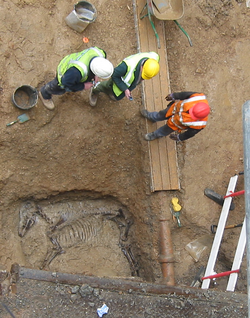
The Process of Preventive Archaeology
In Western Europe, the rescue process follows a structured sequence of activities designed to assess the historical value of a site before any ground is broken. This sequence typically moves from non-invasive assessments to more intensive physical investigations.
Phases of Archaeological Assessment
The workflow generally begins with a desk-based assessment, where researchers study existing records to determine the archaeological potential of a location. If the potential is high, fieldwork begins, which may include:
- Monument surveys: Mapping visible historical structures.
- Test pitting and shovel pitting: Small-scale excavations to sample the soil.
- Evaluations: More comprehensive assessments to define the extent of remains.
- Watching briefs: Monitoring construction activities as they happen to identify unexpected finds.
- Trial trenching: Digging specific trenches to test hypotheses about the site.
If significant remains are discovered, the final stage is a full-scale excavation to record the data before the site is developed.
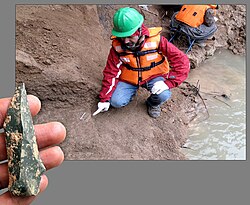
Drivers of Rescue Excavations
While construction is the primary driver, several different conditions can trigger the need for salvage archaeology. These include major infrastructure projects like road construction, the development of dams within floodplains, or even the onset of war. In some instances, less common causes such as looting or illegal construction may necessitate emergency archaeological intervention.
In many regions, such as the United Kingdom, these activities are not merely optional; they are integrated into the law. For example, the National Planning Policy Framework (NPPF) in the UK requires archaeological considerations during the planning process. Professional standards in these environments are often monitored by organizations like the Chartered Institute for Archaeologists (CIfA).
Key Facts
- Multiple Names: Also referred to as contract, commercial, or compliance archaeology.
- Primary Goal: To record archaeological data before it is destroyed by land development.
- Speed is Essential: Unlike traditional archaeology, rescue work must often be completed rapidly to meet construction timelines.
- Regulatory Integration: Often mandated by building laws and national planning frameworks.
- Core Disciplines: A key component of Cultural Resource Management (CRM).
Summary of Archaeological Terms
| Term | Definition | Context |
|---|---|---|
| Rescue Archaeology | Excavation performed to save data before destruction. | Urgent/Salvage |
| CRM | Management of cultural resources within a legal framework. | Broad Industry |
| Desk-based Assessment | Review of existing records and maps. | Initial Phase |
| Watching Brief | Archaeological oversight during active construction. | Monitoring |
Frequently Asked Questions
What is the difference between rescue and traditional archaeology?
Traditional archaeology is often research-led and can be conducted over long periods. Rescue archaeology is developer-funded and must be performed quickly to accommodate construction schedules.
Why is rescue archaeology called "commercial archaeology"?
It is called commercial or contract archaeology because the services are often commissioned by developers to comply with local laws and planning regulations.
Can archaeological sites be preserved without digging?
Yes. While many rescue projects involve excavation, some may focus on in situ preservation, which involves taking protective measures to keep the remains intact beneath a new building.
What happens if an archaeologist finds something during construction?
Depending on the local regulations and the significance of the find, a "watching brief" or an emergency excavation may be triggered to ensure the remains are properly documented.
Who regulates these archaeological activities in the UK?
In the UK, guidance and standards of practice are largely monitored through the Chartered Institute for Archaeologists (CIfA).