Real Betis Balompié: The History and Legacy of El Glorioso
Known affectionately as El Glorioso, Real Betis Balompié is more than just a football club; it is a cultural institution in Seville. Founded on September 12, 1907, as Sevilla Balompié, the club has spent over a century carving out a unique identity in Spanish football. From its early days to its current status as a consistent contender in La Liga, Betis has weathered economic crises and sporting volatility to remain one of Spain's most beloved teams.
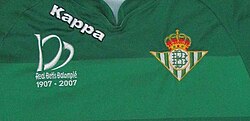
The club's identity is visually defined by its striking green-and-white vertically striped shirts. This iconic look was inspired by the kits of Celtic FC, adopted after an early Betis player spent time studying in Scotland.
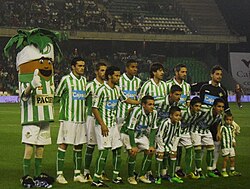
Key Facts
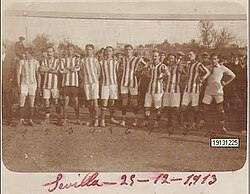
- Founded: September 12, 1907
- Major Honors: 1 La Liga title (1934–35) and 3 Copa del Rey titles.
- Home Ground: Traditionally Estadio Benito Villamarín (currently playing at Estadio de La Cartuja until 2028 due to renovations).
- Nickname: Heliopolitanos (referring to their neighborhood) and Béticos (their supporters).
- Current Manager: Manuel Pellegrini.
A Century of Sporting Evolution
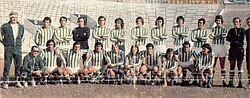
Early Years and the Golden 1930s
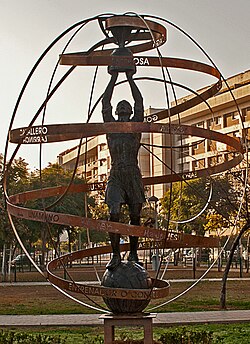
The early 20th century saw the club evolve through various iterations before becoming Real Betis Balompié. The 1930s marked the club's first great peak. After securing promotion to the top flight, Betis achieved the ultimate success by winning the La Liga championship in the 1934–35 season, a feat still commemorated today by a sculpture in Seville.
The Benito Villamarín Era and Mid-Century Struggles
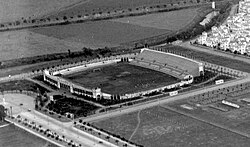
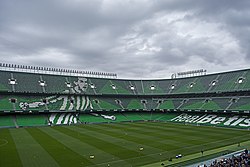
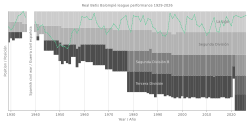
The club's journey has not been without hardship, including periods of relegation to the Segunda and even Tercera División. However, the establishment of the Estadio Benito Villamarín provided a permanent home and a fortress for the Béticos. The grounds of the Estadio de la Exposición, which preceded the current stadium, laid the groundwork for the club's infrastructure in 1929.
Modern Success and European Ambitions
In recent decades, Betis has experienced a resurgence. Under the guidance of managers like Lorenzo Serra Ferrer and more recently Manuel Pellegrini, the club has returned to the forefront of Spanish football. This era has been highlighted by multiple Copa del Rey victories (1977, 2005, and 2022) and a strong presence in UEFA competitions, including a runners-up finish in the 2024–25 UEFA Conference League.
The Seville Derby and Local Rivalry
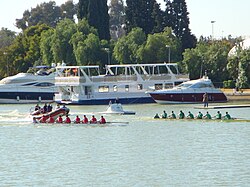
The rivalry between Real Betis and Sevilla FC is one of the most intense in world football. This competition extends beyond the pitch; the two clubs even compete in an annual rowing race on the Guadalquivir river, emphasizing the deep-rooted civic divide and passion within the city.
Club Statistics and Records
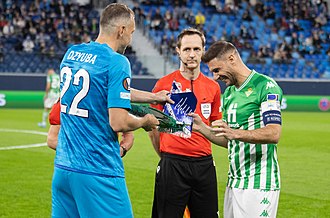
Betis has a rich history of legendary players. Joaquín stands as the club's all-time appearance leader with 528 matches, while Rubén Castro holds the record for most goals scored with 148.
| Competition | Matches | Betis Wins | Draws | Sevilla Wins | Betis Goals | Sevilla Goals |
|---|---|---|---|---|---|---|
| Primera División | 106 | 30 | 27 | 49 | 125 | 160 |
| Segunda División | 14 | 4 | 6 | 15 | 20 | |
| Copa del Rey | 19 | 5 | 9 | 21 | 32 | |
| UEFA Europa League | 2 | 1 | 0 | 1 | 2 | 2 |
| Overall | 141 | 40 | 36 | 65 | 163 | 214 |
Frequently Asked Questions

Why are Real Betis players called Heliopolitanos?
The nickname refers to the neighborhood of Heliópolis in Seville, where the club's stadium and facilities are located.
Where is Real Betis playing their home games currently?
Due to major renovations at the Estadio Benito Villamarín, the club is playing its home matches at the Estadio de La Cartuja from the 2025-26 season until 2028.
Who is the all-time leading goalscorer for the club?
Rubén Castro is the club's record goalscorer, having netted 148 goals for the team.
How many times has Real Betis won the Spanish league?
Real Betis has won the La Liga title once, during the 1934–35 season.
What is the origin of the club's green and white colors?
The green-and-white vertical stripes are based on the colors worn by Celtic FC, adopted when an early player was studying in Scotland.