Ranunculus bulbosus: The Unique Characteristics of the Bulbous Buttercup
The Ranunculus bulbosus, commonly known as the bulbous buttercup or St. Anthony's turnip, is a perennial flowering plant belonging to the buttercup family, Ranunculaceae. Recognized by its vibrant yellow blooms and distinctive growth habits, this plant is a fascinating example of botanical adaptation, particularly in how it survives harsh seasonal changes.
Key Facts
- Common Names: Bulbous buttercup, St. Anthony's turnip, Goldcup, and Frogs-foot.
- Bloom Period: April to July.
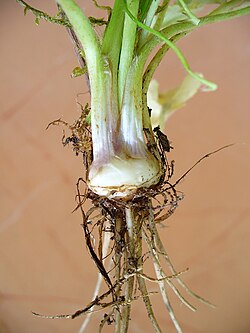
- Defining Feature: A bulb-like swollen underground stem called a corm.
- Toxicity: Contains ranunculin, a toxic glycoside.
- Native Range: Western Europe, though introduced as a weed in North America.
Botanical Description
The bulbous buttercup is characterized by erect, branching stems that typically reach heights of 20–40 cm (8–16 in). These stems are slightly hairy and feature alternate, sessile leaves—meaning the leaves attach directly to the stem without a stalk. At the base of the plant, it possesses long-petioled basal leaves that are deeply divided into three lobes.
The flowers are the plant's most striking feature, measuring 1.5–3 cm (0.6–1.2 in) wide with a glossy yellow hue. Each flower typically consists of 5–7 petals and strongly reflexed sepals (sepals that bend backward). These blooms appear at the apex of the stems from April through July.
Distribution and Habitat
Originally native to Western Europe, ranging from approximately 60°N down to the Northern Mediterranean coast, Ranunculus bulbosus has expanded its reach. It is now found in both the eastern and western regions of North America, where it is classified as an introduced weed.
This species thrives in nutrient-poor, well-drained soils. While it is rarely found in improved grasslands or commercial crops, it is common in lawns, pastures, hay fields, and coastal grasslands.
Etymology and Identification
The name "bulbous buttercup" refers to the plant's perennating organ—a corm. A corm is a swollen underground stem that stores energy, allowing the plant to survive the winter after the foliage dies back during the summer heat. This corm is situated just below the soil surface and serves as a primary identifier to distinguish it from other species, such as Ranunculus acris.
Beyond its scientific name, the plant is known as "Goldcup" due to the color and shape of its leaves, and "Frogs-foot" because of their specific form.
Toxicity and Cultural Significance
Like many members of the buttercup family, Ranunculus bulbosus contains ranunculin, a toxic glycoside. This compound imparts a bitter, acidic taste, which generally prevents humans from accidentally ingesting the plant. Livestock also avoid the plant when it is fresh.
Interestingly, the toxicity of ranunculin is lost once the plant dries, making hay containing bulbous buttercup safe for animal consumption. Pigs, however, are entirely unaffected by the toxin and eat the plant eagerly. This behavior led to the folk name "St. Anthony's Turnip," named after the patron saint of swineherds.
The plant also features in a traditional children's game. A child holds a buttercup under another's chin; if a yellow reflection appears on the skin, it is said that the person "likes butter."
Summary Table
| Feature | Details |
|---|---|
| Scientific Name | Ranunculus bulbosus L. |
| Family | Ranunculaceae |
| Stem Height | 20–40 cm |
| Flower Color | Glossy Yellow |
| Key Organ | Corm (swollen underground stem) |
| Toxin | Ranunculin |
Frequently Asked Questions
What is a corm and why is it important for this plant?
A corm is a swollen underground stem that acts as a storage organ. For the bulbous buttercup, it allows the plant to survive the winter and regrow after the heat of summer kills the above-ground portions.
Is the bulbous buttercup poisonous to animals?
When fresh, the plant contains ranunculin, which is toxic and avoided by most livestock. However, pigs are unaffected and eat it readily, and the toxin disappears once the plant is dried into hay.
How can I tell the difference between this and other buttercups?
The most reliable way to identify Ranunculus bulbosus is by its bulb-like corm located just below the soil surface and its strongly reflexed sepals.
Where is this plant typically found?
It prefers nutrient-poor, well-drained soils and is commonly found in pastures, lawns, coastal grasslands, and hay fields across Western Europe and parts of North America.