Radio Belgrade: A History of Broadcasting and the Legend of Lili Marleen
Radio Belgrade stands as a cornerstone of Serbian media, evolving from a modest wireless telegraph station into a powerful public service broadcaster. Its journey through the 20th century mirrors the turbulent history of the region, marked by technological growth, wartime occupation, and political transformation.
The Early Years and Foundation
The roots of the station trace back to 1924 with Radio Beograd-Rakovica, which operated as part of a state wireless telegraph station. By March 1929, Radio Beograd, AD was officially established. During this formative era, the station provided a diverse array of content, including news, music, radio dramas, and live broadcasts from theaters, establishing itself as a primary source of entertainment and information.
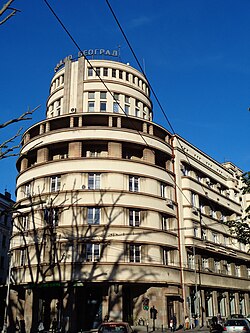
War and the Era of Soldatensender Belgrad
The station's operations were violently interrupted on April 6, 1941, during Operation Punishment, a German air raid on Belgrade that forced the station off the air. Following the occupation of the city, the German forces repurposed the facility and its frequency, renaming it Soldatensender Belgrad (Soldiers Radio Belgrad). This station possessed a wide reach, with signals extending across the Mediterranean and throughout Europe.
The Phenomenon of Lili Marleen
During the occupation, an unexpected cultural phenomenon emerged from the station. A lieutenant on leave in Vienna purchased a collection of records from a second-hand shop, which included a two-year-old song titled Lili Marleen, performed by Lale Andersen. At the time, the song was obscure, having sold only about 700 copies.
Karl-Heinz Reintgen, the German officer in charge of the station, began broadcasting the track. Because the station had a limited record collection, the song was played frequently. Despite an initial order from the Nazi government to stop the broadcast, an outpouring of letters from Axis soldiers across Europe demanded its return.
The station eventually reinstated the song, playing Andersen's recording every evening at 9:55 PM. The track's appeal transcended national and ideological lines. It became a favorite of the German Afrika Korps, including commander Erwin Rommel, who specifically requested its inclusion in daily broadcasts. Simultaneously, soldiers of the British Eighth Army, including Field Marshal Bernard Montgomery, protested when the song was occasionally removed from the air.
Post-War Transition and Modern Era
The political landscape shifted in 1944 when the Partisans, led by Josip Broz Tito, seized power. Under this new Communist administration, Radio Belgrade resumed operations and grew to become the most influential broadcast medium in Serbia and the wider former Yugoslavia.
Today, the organization has transitioned from its state-controlled origins into a modern public service broadcaster, continuing its legacy of serving the public interest.
Key Facts
- Founded: Predecessor started in 1924; Radio Beograd, AD started in March 1929.
- Wartime Interruption: Broadcasts stopped on April 6, 1941, due to German bombing.
- Occupation Name: Operated as Soldatensender Belgrad under German control.
- Cultural Impact: Popularized the song "Lili Marleen" among both Axis and Allied troops.
- Post-War Shift: Came under Communist control in 1944 following the rise of Josip Broz Tito.
- Current Status: Operates as a public service broadcaster.
| Period/Year | Entity/Event | Key Characteristic |
|---|---|---|
| 1924 | Radio Beograd-Rakovica | Part of state wireless telegraph station |
| 1929 | Radio Beograd, AD | Official start of diverse programming |
| 1941–1944 | Soldatensender Belgrad | German occupation station; "Lili Marleen" era |
| 1944 onwards | Communist-led Radio Belgrade | Most influential medium in former Yugoslavia |
| Present | Public Service Broadcaster | Modern public broadcasting model |
Frequently Asked Questions
When did Radio Belgrade first begin broadcasting?
The predecessor, Radio Beograd-Rakovica, began its program in 1924, while Radio Beograd, AD officially started in March 1929.
What happened to the station during the 1941 German air raids?
The station stopped broadcasting on April 6, 1941, after being bombed during Operation Punishment.
How did "Lili Marleen" become famous through the station?
The song was played frequently by Soldatensender Belgrad due to a limited record collection. It gained massive popularity among soldiers of both the Axis and Allied powers, who wrote in to request the song.
Who were some of the military figures influenced by the station's music?
Both Erwin Rommel of the German Afrika Korps and Field Marshal Bernard Montgomery of the British Eighth Army were noted for their interest in the song "Lili Marleen" broadcast by the station.
How did the station change after 1944?
After Josip Broz Tito's Partisans took power, the station came under Communist control and became the most influential broadcast medium in Serbia and the former Yugoslavia.