Queens Community Boards: Local Governance and Advisory Roles
In the complex administrative landscape of New York City, community boards serve as the most localized form of government. In the borough of Queens, these boards act as vital advisory groups for their respective community districts, bridging the gap between residents and city agencies to ensure local needs are heard and addressed.
These boards are designed to provide a platform for civic engagement, allowing residents to influence the development and management of their immediate neighborhoods through a structured, appointed process.
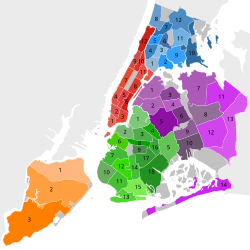
The Role and Responsibilities of Community Boards
Community boards in Queens are not legislative bodies, but they hold significant influence over the quality of life in their districts. Their primary functions center on three main areas of urban management:
- Land Use and Zoning: Boards provide critical advice on how land is utilized and the regulations (zoning) that determine what types of buildings or businesses can be established in specific areas.
- City Budget Process: They participate in the city's budgetary cycle, offering input on where funds should be allocated to best serve the community.
- Service Delivery: Boards act as a watchdog and liaison for city services, addressing issues related to sanitation, infrastructure, and other municipal deliveries within their district.
Board Composition and Appointment Process
Each community board is composed of up to 50 volunteer members. These members are not elected by the general public but are appointed by the local borough president.
The Nomination Process
To ensure a balance of political and community representation, the appointment process is split. Half of the board members are appointed based on nominations provided by the City Council members who represent that specific community district.
Ex Officio Membership
In addition to the appointed volunteers, all City Council members whose districts overlap with the community district serve as ex officio members. This means they hold a seat on the board by virtue of their office, although they serve in a non-voting capacity.
Key Facts
- Membership: Up to 50 volunteer members per board.
- Appointment: Members are appointed by the borough president.
- Nominations: 50% of members are nominated by local City Council representatives.
- Core Focus: Land use, zoning, city budgeting, and service delivery.
- Council Role: City Council members serve as non-voting, ex officio members.
| Feature | Detail |
|---|---|
| Maximum Member Count | 50 Volunteers |
| Appointing Authority | Borough President |
| Nomination Source | City Council Members (50% of seats) |
| Primary Advisory Areas | Zoning, Budgeting, and City Services |
| Council Member Status | Non-voting, ex officio |
Frequently Asked Questions
What is the primary purpose of a community board in Queens?
The primary purpose is to serve as an appointed advisory group that provides guidance on land use, zoning, the city budget process, and the delivery of municipal services within their specific community district.
How are members of the community board selected?
Members are volunteers appointed by the local borough president. Half of these appointments are made from nominations submitted by City Council members representing the district.
Do City Council members vote on community board decisions?
No. While City Council members representing the district are members of the board as ex officio representatives, they do not have voting rights.
What is the maximum size of a community board?
Each community board can consist of up to 50 volunteer members.
How do community boards influence the city budget?
They participate in the city budget process by providing local perspectives and recommendations on how funds should be distributed to address the needs of their district.