Qatar: A Modern Powerhouse in the Arabian Peninsula
The State of Qatar is a unitary authoritarian semi-constitutional monarchy located on a peninsula in the Arabian Gulf. From its humble beginnings as a center for pearling and fishing, Qatar has transformed into one of the world's wealthiest nations per capita, blending deep-rooted traditions with futuristic urban development. With its capital, Doha, serving as a global hub for finance, diplomacy, and sports, the nation continues to expand its influence on the world stage.
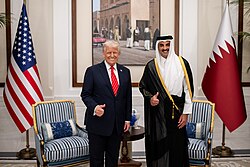
The country is governed by the Emir, with the current head of state being Tamim bin Hamad Al Thani. Its national identity is encapsulated in its motto: "God, Nation, Emir."
Key Facts
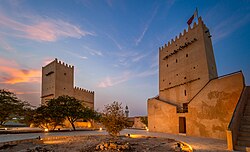
- Capital: Doha
- Official Language: Arabic
- Currency: Qatari riyal (QAR)
- GDP Per Capita (PPP): $121,610 (ranked 4th globally, 2025 estimate)
- Independence: Declared September 1, 1971; independent from the UK on September 3, 1971
- Population: Approximately 3.2 million (2025 estimate)
- Official Religion: Islam
Historical Evolution
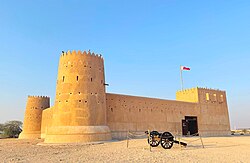
Ancient and Islamic Roots
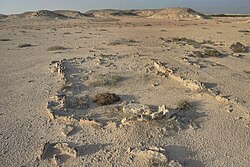
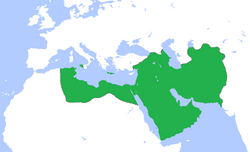
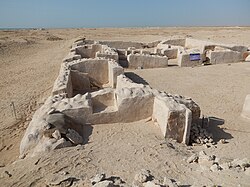
Qatar's history stretches back to prehistory and antiquity. Early evidence of human activity includes dye sites on Al Khor Island, dating back to the Kassite period. During the early and late Islamic periods, the region was influenced by various caliphates, including the Abbasid Caliphate, which reached its greatest extent around 850 AD.
Colonial Influence and Independence
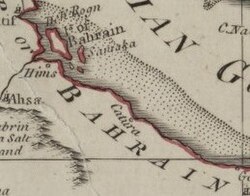
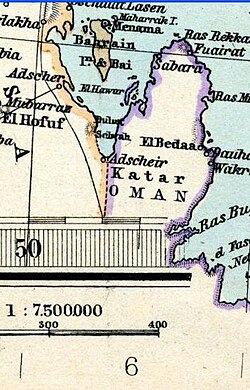
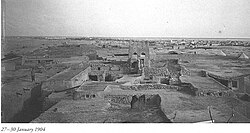
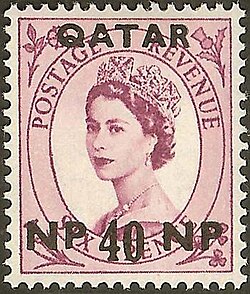
The region experienced various periods of external rule, including the Portuguese era (1507–1650) and subsequent rule by Bahrain and Saudi Arabia between 1783 and 1868. The Ottoman period followed from 1871 to 1915, leading into a period of British influence that lasted until 1971.
Qatar officially declared its independence from the United Kingdom on September 3, 1971, marking the beginning of its era as a sovereign state. This transition allowed the nation to leverage its vast natural resources to fuel rapid modernization.
Geography and Administration
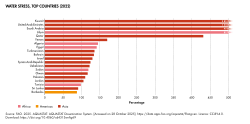
Qatar is characterized by a desert coast with a total area of 11,581 square kilometers. Despite its wealth, the nation faces significant environmental challenges; in 2022, it was ranked as the fifth most water-stressed country in the world.
Administrative Divisions
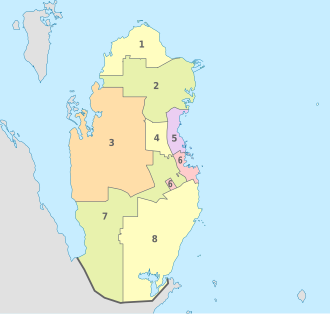
The state is divided into several municipalities (Baladiyah), which manage local governance and infrastructure. These include Al Shamal, Al Khor, Al-Shahaniya, Umm Salal, Al Daayen, Doha, Al Rayyan, and Al Wakrah.
Economy and Infrastructure
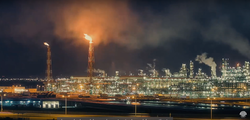
Qatar possesses one of the highest standards of living globally, reflected in its very high Human Development Index (HDI) of 0.886. The economy is heavily driven by energy exports, supported by industrial hubs like the Mesaieed Industrial Area.
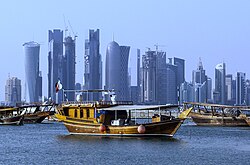
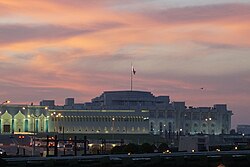
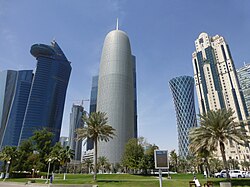
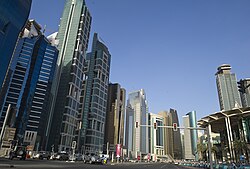
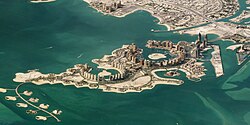
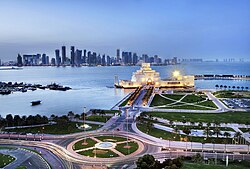
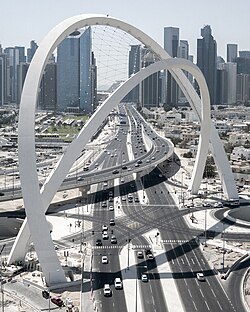
The skyline of Doha is a testament to this wealth, featuring high-rise buildings, the luxury residential developments of The Pearl, and the administrative center of the Amiri Diwan.
Education and Culture
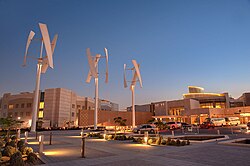
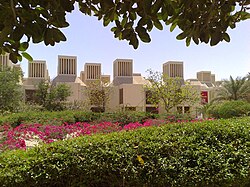
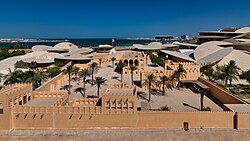
The nation has invested heavily in human capital through Education City, a campus housing satellite branches of eight international universities and Qatar University. Culturally, the state promotes the arts through the Museum of Islamic Art and the National Museum of Qatar.
Society and Demographics
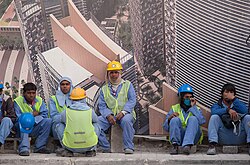
Qatar's population is highly diverse due to the large number of migrant workers required for its rapid infrastructure growth. As of 2019, the ethnic composition was approximately 49% Arab and 43% South Asian (including Indians, Bangladeshis, and Pakistanis).
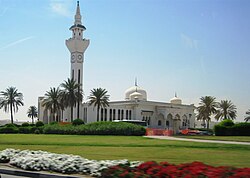
While Islam is the official religion (practiced by 65.5% of the population), there are significant minorities of Hindus (15.1%) and Christians (14.2%).
Sports and Global Presence
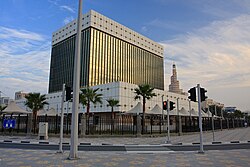
Qatar has used sports as a tool for soft power and international diplomacy. This culminated in the hosting of the 2022 FIFA World Cup, which saw the construction of world-class venues such as the Lusail Iconic Stadium, which seats 80,000 people.
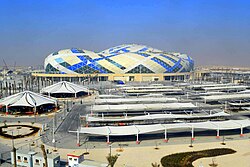
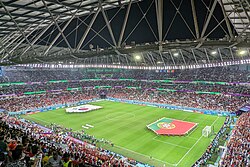
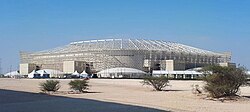
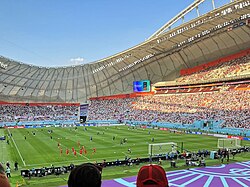
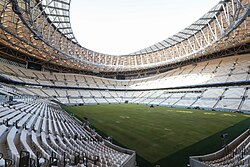
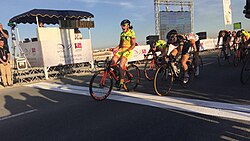
Beyond football, the country hosts the Ladies Tour of Qatar and maintains a strong presence in global media through the Al Jazeera news network.

| Category | Detail |
|---|---|
| Government | Unitary authoritarian semi-constitutional monarchy |
| GDP (Nominal) | $222.780 billion (2025 estimate) |
| GDP Per Capita (Nominal) | $71,650 (2025 estimate) |
| Population Density | 264/km² |
| Official Language | Arabic |
| Time Zone | UTC +3:00 (AST) |
Frequently Asked Questions
When did Qatar gain its independence?
Qatar declared its independence on September 1, 1971, and officially gained independence from the United Kingdom on September 3, 1971.
What is the official currency of Qatar?
The official currency is the Qatari riyal (QAR).
What are the primary ethnic groups in Qatar?
According to 2019 data, the population is 49% Arab and 43% South Asian, with the latter including significant populations from India, Bangladesh, and Pakistan.
How does Qatar rank in terms of wealth?
Qatar is one of the wealthiest nations in the world, ranking 4th globally in GDP per capita (PPP) with an estimated $121,610 in 2025.
What is Education City?
Education City is a specialized educational hub in Qatar that houses various facilities, including the satellite campuses of eight international universities.