Pyeongchang: South Korea's High-Altitude Winter Wonderland
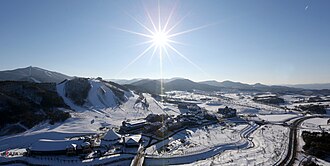
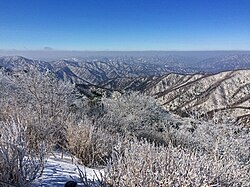
Nestled within the majestic Taebaek Mountains of Gangwon Province, Pyeongchang is a region defined by its soaring peaks and crisp mountain air. Known for its high elevation and stunning seasonal transformations, this South Korean county has transitioned from a serene mountainous retreat to a world-renowned center for international winter sports.
The name Pyeongchang (平昌) carries a poetic meaning: "peaceful" or "flatland" (平) combined with "prosperity" or "flourishing" (昌). Today, the region lives up to its slogan, "Happy 700 Pyeongchang," a nod to its average elevation of approximately 700 meters above sea level.
Key Facts
- Location: Gangwon Province, South Korea, in the Taebaek Mountains.
- Elevation: Average of 700m, with many areas exceeding 1,000m.
- Major Event: Host of the 2018 Winter Olympics and Paralympics.
- Natural Landmark: Home to Odaesan National Park.
- Climate: Cooler and wetter than the surrounding Gangwon region.
Geography and Climate
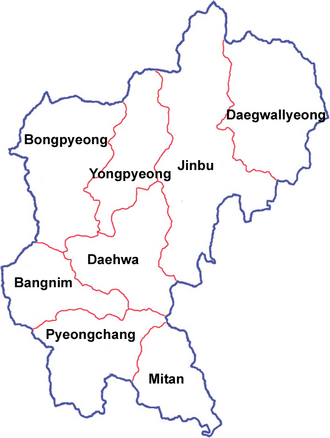
Pyeongchang is a rugged landscape where 84% of the territory consists of mountains. The township of Daegwallyeong-myeon is particularly notable, with elevations ranging between 700 and 800 meters, and some peaks climbing above 1,000 meters.
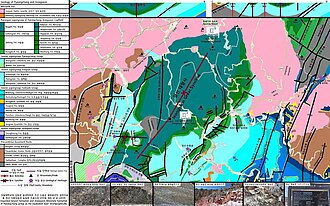
Due to its altitude, the climate is distinct from the rest of Gangwon Province. Between 2001 and 2010, Pyeongchang recorded an average temperature of 7.1°C, notably lower than the provincial average of 9.0°C. The region also receives higher annual precipitation, averaging 1,555.0 mm, making it an ideal environment for snow-based activities and lush mountain forests.
Seasonal Weather Patterns
The winters in Pyeongchang are characterized by significant snowfall, which is essential for its thriving ski industry. While summers can be pleasant, the high-altitude environment ensures that the region remains a premier destination for those seeking cooler temperatures.
| Metric | Annual Average / Record |
|---|---|
| Mean Annual Temperature | 7.1°C |
| Annual Precipitation | 1,695.1 mm |
| Record High Temperature | 32.9°C |
| Record Low Temperature | −28.9°C |
| Average Relative Humidity | 73.3% |
Cultural Heritage and Spiritual Landmarks
Beyond its athletic reputation, Pyeongchang is a sanctuary of Korean history and spirituality. The region is home to numerous Buddhist temples and registered cultural heritage sites that offer a glimpse into the nation's ancient traditions.
Sacred Temples of Odaesan Mountain
Odaesan Mountain, a designated national park since 1975, hosts two of the most significant temples in the region:
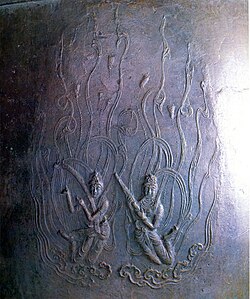
- Sangwonsa: Originally established in 705, this temple has survived various historical challenges, including the Third Battle of Seoul. It houses several National Treasures, including the Bell of Sangwonsa (National Treasure No. 36).
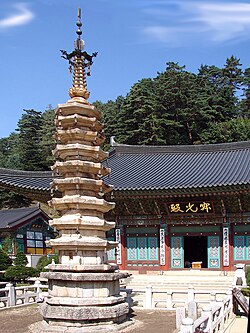
- Woljeongsa: Founded by the monk Jajang in 643, Woljeongsa is famous for its Octagonal Nine-story Stone Pagoda (National Treasure No. 48-1).
Sports and Winter Tourism
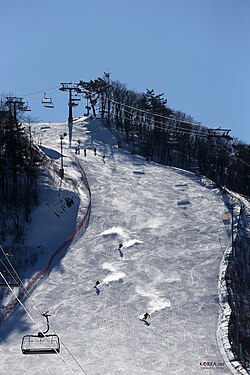
Pyeongchang's identity is inextricably linked to winter sports. The county gained global prominence as the host of the 2018 Winter Olympics and Paralympics. To prevent confusion with the North Korean capital, the region was officially branded as "PyeongChang" during the Games.
World-Class Facilities
The region features premier venues that continue to serve athletes and tourists alike:
- Alpensia Resort: A year-round destination that hosted the majority of the Olympic snow events, featuring six slopes for skiing and snowboarding.
- Yongpyong Resort: A major hub with 28 ski slopes, which hosted the technical alpine skiing events.
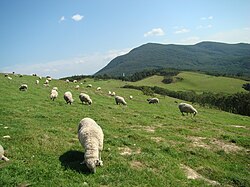
- Samyang Ranch: Recognized as the largest highlands farm in Asia, located between 850 and 1,470 meters above sea level. It offers a unique pastoral experience and serves as a popular filming location.
Festivals and Commemoration
The Daegwallyeong Snow Festival, which began in 1992, celebrates the region's winter beauty with snow figure exhibitions and traditional games. For those interested in modern history, the Lee Seung-bok Memorial Hall commemorates a young boy murdered by North Korean commandos in 1968, providing a space for reflection on the nation's complex past.
Transportation and Accessibility
Modern infrastructure has made Pyeongchang more accessible than ever. The Gyeonggang Line, a high-speed KTX railway opened in 2017, connects Pyeongchang to Seoul in less than 80 minutes. Additionally, the Yeongdong Expressway provides a direct road link, allowing travelers to reach the county from Seoul in approximately two hours by car.
Frequently Asked Questions
Why was the name spelled "PyeongChang" during the 2018 Olympics?
The spelling was modified using CamelCase to ensure international audiences would not confuse the host city with Pyongyang, the capital of North Korea.
What is the significance of the "Happy 700" slogan?
The slogan refers to the county's average elevation of approximately 700 meters above sea level.
Is Pyeongchang a good destination for summer travelers?
Yes. While famous for winter sports, the region features national parks like Odaesan, high-altitude farms like Samyang Ranch, and various cultural heritage sites that are accessible year-round.
How can I travel from Seoul to Pyeongchang?
The most efficient way is via the Gyeonggang Line KTX high-speed train, which takes under 80 minutes. Alternatively, you can drive via the Yeongdong Expressway, a journey of about two hours.
What are the most famous cultural sites in Pyeongchang?
The most notable sites include the Woljeongsa and Sangwonsa temples on Odaesan Mountain, which house several National Treasures of South Korea.