Prodoxidae Moths: From Garden Pests to Evolutionary Marvels
The family Prodoxidae comprises a diverse group of moths that, while often small and unassuming in appearance, play some of the most critical roles in the natural world. Ranging from common garden pests to highly specialized pollinators, these insects provide a living laboratory for scientists studying the complexities of coevolution—the process where two species exert selective pressure on one another, driving mutual adaptation.
While many species in this family are relatively undistinguished, their biological stories are anything but. Some act as herbivores that can impact horticulture, while others have entered into an intimate, life-sustaining partnership with plants that would otherwise be unable to reproduce.
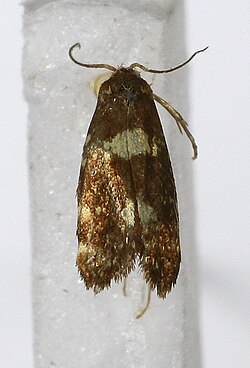
Key Facts
- Diversity: Approximately 9 genera and 98 species.
- Classification: A family of primitive monotrysian Lepidoptera (moths with a single genital opening).
- Ecological Roles: Includes both agricultural pests and obligate pollinators.
- Famous Example: The "yucca moths," which share an exclusive relationship with yucca plants.
- Global Distribution: Genera are found in Africa, Asia, and the Americas, with many common genera concentrated in dry regions of the United States.
Diversity and Distribution
The Prodoxidae family exhibits a wide geographic range. While some genera are found in Africa and Asia, many of the most studied genera are confined to the arid regions of the United States. For instance, Tetragma gei feeds on mountain avens in the US, and Greya politella lays its eggs in the flowers of the Saxifragaceae family.
The family also shows interesting latitudinal patterns. While most genera have a northern distribution, the genus Prodoxoides asymmetra is found in Chile and Argentina, representing a rare southern hemisphere presence for the family. In Europe, species like Lampronia capitella, commonly known as the currant shoot borer, are recognized by gardeners for their impact on fruit crops.
The Remarkable Biology of Yucca Moths
Perhaps the most famous members of the Prodoxidae are the "yucca moths." These insects have developed a relationship with yucca plants that ranges from obligate mutualism (where both species depend on each other for survival) to commensalism and even antagonism.
Obligate Mutualism in Tegeticula and Parategeticula
Two specific genera, Tegeticula and Parategeticula, have achieved a perfect evolutionary partnership with yucca plants. These moths are the plant's sole pollinators. The female moth uses specialized, modified mouthparts to actively collect pollen and insert it into the flower's stigma after laying her eggs in the ovary. The resulting larvae feed on a portion of the developing yucca seeds, but because the moth ensures pollination, the plant still produces enough seeds to survive and thrive.
Cheaters and Non-Mutualists
Not all yucca moths follow this cooperative model. The genus Prodoxus does not participate in pollination; instead, its eggs are deposited in leaves or fruits where the larvae grow. Furthermore, some species, such as Tegeticula intermedia, act as "cheaters" by laying eggs on the host plant without providing the service of pollination, thereby taking resources without offering any benefit to the plant.
| Genus | Pollination Behavior | Larval Food Source | Relationship Type |
|---|---|---|---|
| Tegeticula | Active/Purposeful | Yucca seeds | Obligate Mutualism |
| Parategeticula | Active/Purposeful | Yucca seeds | Obligate Mutualism |
| Prodoxus | None | Fruits and leaves | Non-mutualistic |
| T. intermedia | None (Cheater) | Yucca seeds | Antagonism |
Coevolution as a Driver of Diversity
The relationship between Prodoxidae and their host plants is a primary example of how coevolution drives biological change. Research has shown that as moths evolved specialized traits—such as tentacular appendages for pollen collection—the plants often responded by losing nectar, making the moths even more essential for reproduction.
Studies involving the Joshua tree (yucca palm) have demonstrated that floral traits involved in pollination evolve much more rapidly when driven by the presence of pollinating moths. By using advanced phylogenetic techniques, such as maximum likelihood and the BayesTraits algorithm, researchers have been able to map how these specialized traits emerged, distinguishing the strict obligate pollinators from their non-mutualistic relatives.
Frequently Asked Questions
What is an obligate mutualism?
Obligate mutualism is a biological interaction where two different species rely entirely on one another for survival or reproduction. In the case of yucca moths, the plant requires the moth for pollination, and the moth larvae require the plant's seeds for food.
Why are some Prodoxidae considered pests?
Certain species, such as the currant shoot borer (Lampronia capitella), are considered pests because their larvae feed on the shoots of plants used in gardening and agriculture, potentially damaging the crops.
How do yucca moths pollinate the flowers?
Unlike many insects that pollinate accidentally while seeking nectar, female yucca moths (specifically in the Tegeticula and Parategeticula genera) use specialized mouthparts to purposefully collect pollen and apply it to the flower's stigma.
What is the difference between a mutualist and a cheater moth?
A mutualist provides a service (pollination) in exchange for a resource (seeds), benefiting both species. A "cheater" moth, like Tegeticula intermedia, lays its eggs on the plant to feed its larvae but fails to pollinate the flower, gaining a benefit while providing none to the plant.
What are monotrysian moths?
Monotrysian refers to a primitive group of moths characterized by having a single opening for both mating and egg-laying, a trait used by scientists to classify their evolutionary lineage.