Princess of Asturias Awards: Celebrating Global Excellence in Arts and Sciences
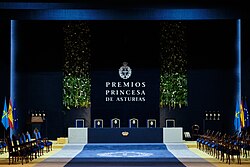
The Princess of Asturias Awards are among the most prestigious honors in the world, recognizing individuals and institutions that have made significant contributions to humanity. Based in Spain and presented by Leonor, Princess of Asturias, and the Princess of Asturias Foundation, these awards highlight achievements across a diverse array of disciplines, from the cutting edge of scientific research to the timeless beauty of the arts.
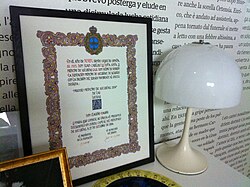
Established in 1981, the awards were originally known as the Prince of Asturias Awards until 2014. Each laureate is honored not only for their personal brilliance but for their impact on the global community, receiving a diploma, a sculpture, a pin, and a monetary prize of €50,000.
Key Facts
- Origin: Established in 1981 in Spain.
- Presenter: Leonor, Princess of Asturias and the Princess of Asturias Foundation.
- Prize: €50,000, a diploma, a sculpture, and a pin.
- Scope: International recognition across arts, sciences, humanities, and social cooperation.
- Former Name: Prince of Asturias Awards (1981–2014).
Award Categories and Notable Laureates
The awards are divided into several categories, each designed to honor a different facet of human achievement. Over the decades, the list of winners has grown to include some of the most influential figures in history.
Arts
This category celebrates creativity and artistic innovation. Notable recipients include legendary musicians like Bob Dylan (2007), visionary filmmakers such as Martin Scorsese (2018) and Francis Ford Coppola (2015), and contemporary artists like Marina Abramović (2021).

Communication and Humanities
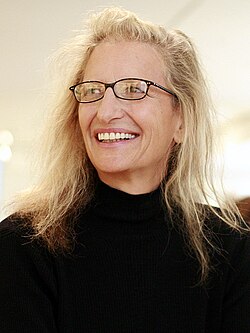
Focusing on the dissemination of knowledge and the study of human culture, this award has been granted to influential journalists, photographers, and institutions. Recipients include the National Geographic Society (2006), Google (2008), and renowned photographer Annie Leibovitz (2013).
International Cooperation
This award recognizes efforts to promote peace and cooperation between nations. It has honored global leaders like Nelson Mandela and Frederik W. de Klerk (1992), as well as vital organizations such as the World Health Organization (2009) and Wikipedia (2015).
Literature
The literature prize honors writers and scholars who have enriched the world's literary heritage. Past winners include Martha Nussbaum (2012) and Claudio Magris (2004), whose contributions continue to influence modern thought.

Technical and Scientific Research
Dedicated to those who push the boundaries of human knowledge, this category has recognized pioneers of the internet like Tim Berners-Lee (2002), as well as breakthroughs in genetics and physics, including the team at CERN (2013).
Concord
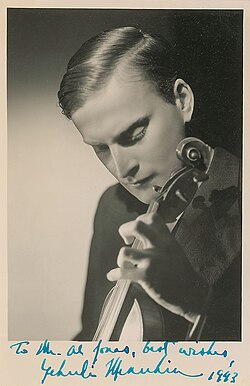
The Award for Concord is given to those who promote coexistence and understanding. It has been awarded to figures such as Yehudi Menuhin (1997) and organizations like UNICEF (2006).
Summary of Award Details
| Feature | Details |
|---|---|
| Country of Origin | Spain |
| Inception Year | 1981 |
| Financial Reward | €50,000 |
| Key Categories | Arts, Literature, Sciences, Humanities, International Cooperation, Concord, Sports |
| Official Website | www.fpa.es/en/princess-of-asturias-awards/ |
Exemplary Town of Asturias
Beyond individual achievements, the foundation also recognizes the Exemplary Town of Asturias. This honor is given to local communities that demonstrate outstanding civic values or preservation efforts. Examples include San Esteban de Cuñaba (1990) and more recently, Sotres (2024) and Valdesoto (2025).
Frequently Asked Questions
What is the difference between the Prince and Princess of Asturias Awards?
There is no difference in the nature of the award; the name was simply changed from the Prince of Asturias Awards to the Princess of Asturias Awards in 2014.
What does a laureate receive upon winning?
Each winner receives a monetary prize of €50,000, along with a diploma, a sculpture, and a pin.
Who presents the awards?
The awards are presented by Leonor, Princess of Asturias, and the Princess of Asturias Foundation.
Can organizations win the awards, or only individuals?
Both individuals and organizations can win. For example, Google, Wikipedia, and the World Health Organization have all been laureates.
Which categories are included in the awards?
The awards cover the Arts, Communication and Humanities, International Cooperation, Literature, Sports, Technical and Scientific Research, and Concord.