Pretoria: The Executive Capital of South Africa
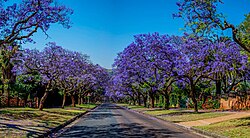
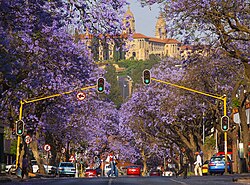
Known affectionately as the Jacaranda City due to the stunning purple blossoms that line its streets, Pretoria serves as the executive capital of South Africa. Located in the Gauteng province, this metropolitan hub is a center of political power, academic excellence, and rich historical heritage. Founded on November 18, 1855, by Marthinus Wessel Pretorius and named after Andries Pretorius, the city has evolved from a frontier settlement into a sprawling urban center.
Key Facts
- Official Status: Executive capital city of South Africa.
- Municipality: Part of the City of Tshwane.
- Elevation: 1,339 meters (4,393 feet) above sea level.
- Population: Approximately 850,000 (2023 estimate) in the executive capital area, with a metro population exceeding 4 million.
- Economy: A robust GDP of US$75.6 billion.
- Nickname: Jacaranda City, 012, Pirara, and PTA.
Geography and Climate
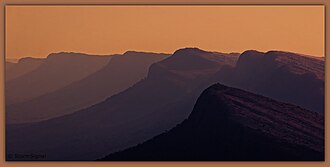
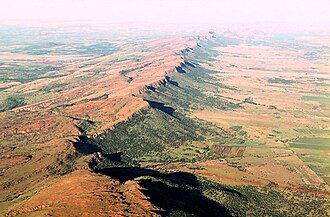
Pretoria is situated in a high-altitude region, surrounded by the scenic Magaliesberg mountain range. This geography contributes to its temperate climate, characterized by warm summers and mild winters.
The city experiences a distinct rainfall pattern, with the majority of precipitation occurring between October and March. July is typically the driest month, while December and January see the highest average rainfall, often exceeding 110mm. Temperatures vary significantly throughout the year, with record highs reaching 36.3°C and record lows dipping as low as -4.5°C.
Demographics and Culture
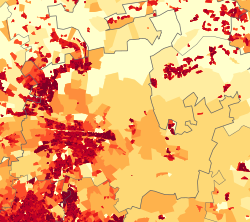
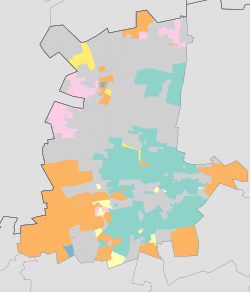
Pretoria is a multicultural melting pot with a diverse linguistic landscape. While Afrikaans remains the most spoken first language (47.67%), English (16.38%), Sepedi (8.02%), and Tswana (5.44%) are also widely used. The city's racial composition is varied, with a significant presence of White and Black African populations, alongside Coloured and Indian/Asian communities.
The city's cultural identity is deeply tied to its flora and architecture. The jacaranda trees are a defining visual feature of the cityscape, especially during their blooming season.
Cityscape and Architecture
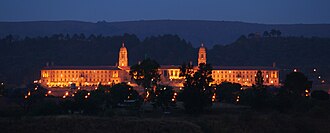
The architecture of Pretoria reflects its history as a seat of government. The Union Buildings, perched atop Meintjieskop, stand as the most prominent symbol of the city's executive function.
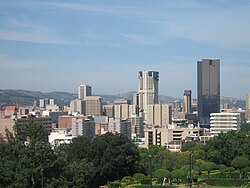
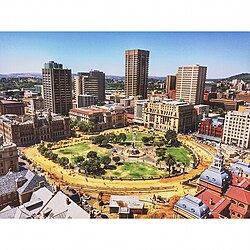
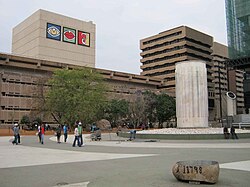
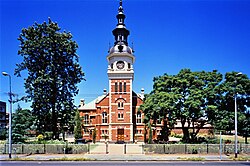
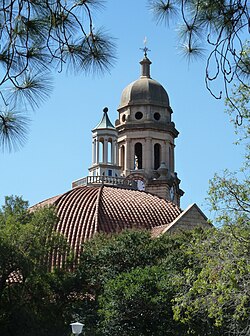
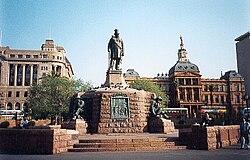
The Central Business District (CBD) features a mix of neomodern architecture and historic landmarks. Notable sites include the Palace of Justice, the Old Synagogue, and Church Square, which serves as a focal point for civic life.
Transportation and Infrastructure
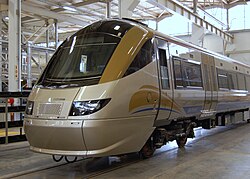
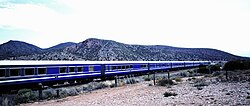
Pretoria is well-connected via a sophisticated transport network. The Gautrain provides rapid rail transit, while the luxury Blue Train offers a world-class travel experience. The city is also serviced by an extensive network of roads, buses, and airports to facilitate regional and international travel.
Education and Military Significance
The city is a premier hub for tertiary education, hosting prestigious institutions such as the University of Pretoria, the University of South Africa (UNISA), and the Tshwane University of Technology. It is also home to the Council for Scientific and Industrial Research (CSIR).
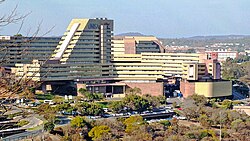
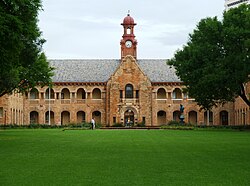
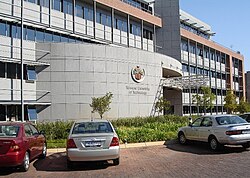
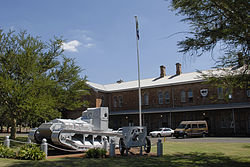
Pretoria is equally vital to South Africa's national security, housing the South African Army's Headquarters and various military complexes, including the Dequar Road and Sebokeng complexes, as well as the South African Army College.
Culture, Arts, and Landmarks
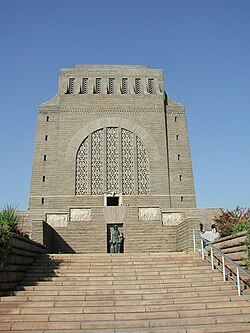
From museums to sports stadiums, Pretoria offers a wealth of attractions. The Voortrekker Monument and Freedom Park provide deep insights into the nation's complex history, while the South African State Theatre serves as a center for the performing arts.
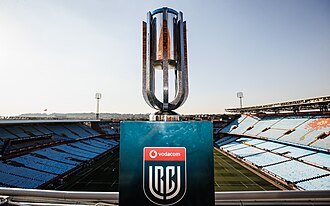
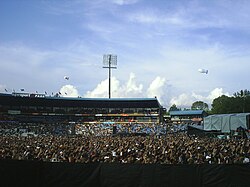
Sports enthusiasts frequent the Loftus Versfeld Stadium for rugby and the various high-end golf courses, including the Presidential golf course and Copperleaf Golf and Country Estate.

Summary of City Statistics
| Category | Detail |
|---|---|
| Founded | 18 November 1855 |
| Executive Mayor | Nasiphi Moya |
| Metro Area | 6,297.83 km² |
| GDP | US$75.6 billion |
| HDI (2012) | 0.75 (High) |
| Primary Language | Afrikaans (47.7%) |
Frequently Asked Questions
What is the significance of the name "Jacaranda City"?
Pretoria is called the Jacaranda City because of the numerous jacaranda trees that line its streets, which bloom with vibrant purple flowers annually.
Which government branch is based in Pretoria?
Pretoria serves as the capital city for the executive branch of the South African government.
What are the main languages spoken in Pretoria?
The most prominent first languages are Afrikaans, English, Sepedi, and Tswana, reflecting the city's diverse population.
What are some of the top educational institutions in the city?
The city is home to the University of Pretoria, the University of South Africa (UNISA), and the Tshwane University of Technology.
What are the key historical landmarks to visit in Pretoria?
Key landmarks include the Union Buildings, the Voortrekker Monument, Freedom Park, and the various museums such as the Ditsong National Museum of Cultural History.