Portuguese Language: History, Global Distribution, and Linguistic Evolution
Portuguese is a major global language with a rich history and a vast geographic footprint. As a member of the Indo-European language family, specifically within the Romance branch, it has evolved from the remnants of Latin into a vibrant medium of communication spoken by hundreds of millions of people across several continents.
With approximately 250 million native speakers and 17 million second-language speakers, the total number of Portuguese speakers is estimated at 267 million. From the streets of Lisbon to the bustling cities of Brazil and the diverse landscapes of Lusophone Africa, the language continues to shape culture, literature, and international relations.
Key Facts
- Total Speakers: Approximately 267 million worldwide.
- Language Family: Indo-European > Italic > Latino-Faliscan > Latin > Romance.
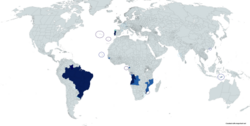
- Primary Regions: Portugal, Brazil, Angola, and Mozambique.
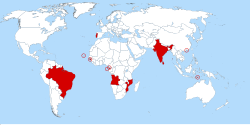
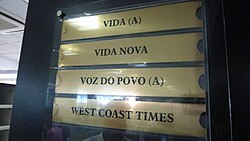
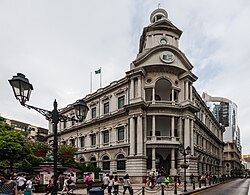
- Official Status: Official language in multiple countries including Brazil, Angola, Mozambique, and Macau.
- Writing System: Latin alphabet and Portuguese Braille.
Historical Origins and Evolution
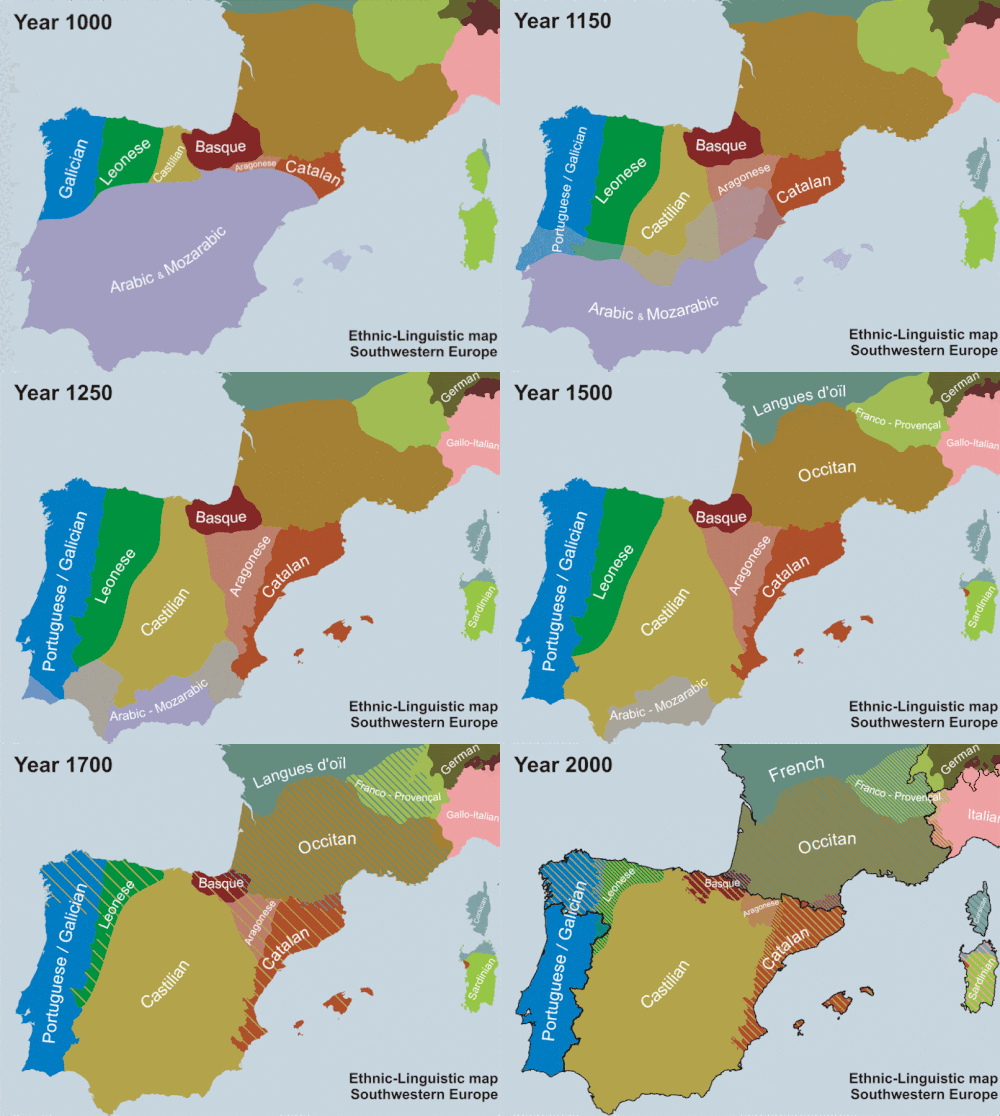
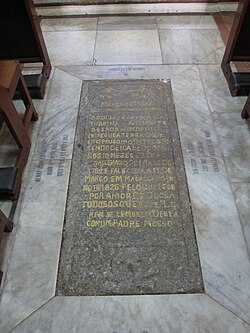
The roots of Portuguese can be traced back to Vulgar Latin, the spoken form of Latin used by soldiers and settlers during the Roman period. Over centuries, this evolved through various stages, including Proto-Romance and the Galician–Portuguese period.
The Galician–Portuguese stage represents a critical era where the linguistic ancestors of both modern Galician and Portuguese shared a common structure. Eventually, these two paths diverged, leading to the distinct modern languages we recognize today.

The expansion of the Portuguese-speaking world was significantly driven by overseas exploration. This era facilitated the development of Portuguese in diverse territories, most notably in Brazil, where it evolved into a distinct variety with its own unique phonetic and grammatical characteristics.
Global Distribution and Official Status
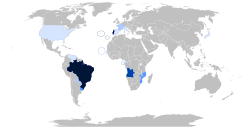
Portuguese is not merely a European language; it is a truly global one. It serves as the primary language for the majority of the population in several nations, while acting as an official or administrative language in others.
Lusophone Countries at a Glance
The term Lusophone refers to the community of Portuguese-speaking countries. The distribution of the language varies significantly by region, with Brazil hosting the largest concentration of speakers.
| Country/Territory | Population | Native Speakers (%) | Total Speakers (%) |
|---|---|---|---|
| Brazil | 203,062,512 | 95% | 95% |
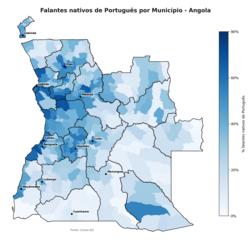
| Angola | 35,981,281 | 45% | 82% |
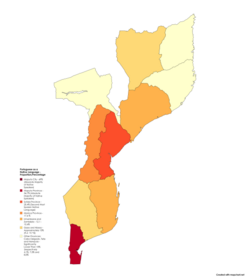
| Mozambique | 32,513,805 | 40% | 60% |
| Portugal | 10,467,366 | 95% | 95% |
| Guinea-Bissau | 2,078,820 | 5% | 50% |
| Cape Verde | 561,901 | 5% | 80% |
| East Timor | 1,340,513 | 0.5% | 50% |
| Macau | 682,300 | 0.5% | 7% |
Beyond these primary nations, Portuguese maintains a presence as a significant minority or second language in countries such as Uruguay, Argentina, Paraguay, and several nations in Africa and Asia.
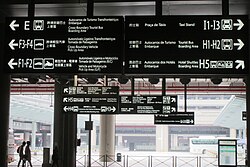
![Sign in Japanese, Portuguese, and English in Oizumi, Japan, which has a large Lusophone community due to the return immigration of Japanese Brazilians[66]](/images/40/88/4088ffff6fe580dc3b4b9f97a27026d94e023d22162a6007b9e4859c3a8fc8bb.jpg)
Dialects and Linguistic Varieties
One of the most notable aspects of the language is its variety. The two most prominent branches are European Portuguese and Brazilian Portuguese. While they are mutually intelligible, they differ in pronunciation, rhythm, and certain grammatical usages.
Regional Variations in Brazil
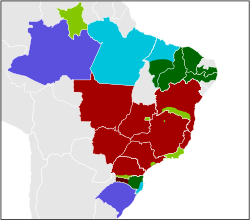
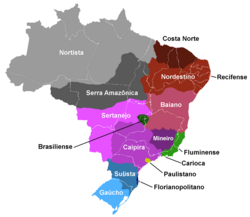
In Brazil, the language is characterized by a wide array of dialects. These variations can be seen in the use of second-person pronouns. For example, some regions show a near-exclusive use of você, while others maintain the use of tu, often accompanied by third-person verbal conjugation.
European and Other Dialects
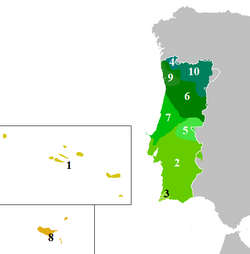
In Portugal, various regional dialects exist, contributing to the unique phonetic landscape of the country. Additionally, the relationship between Portuguese and Galician remains a subject of linguistic interest, as they share a close historical and structural connection.
![Map showing mostly contemporary West Iberian and Occitano-Romance languages, as well many of their mainland European dialects (areas colored green, gold or pink/purple represent languages deemed endangered by UNESCO, so this may be outdated in less than a few decades). It shows European Portuguese, Galician, Eonavian, Mirandese and the Fala as not only closely related but as dialect continuum, though it excludes dialects spoken in insular Portugal (Azores and Madeira–Canaries is not shown either).[image reference needed]](/images/dd/6b/dd6b689537e1528700bf2db54410b6bdbc13f421371c9b5e4419bf4acb9de78a.png)
Phonology and Orthography
The Portuguese sound system is complex, featuring a variety of oral and nasal vowels, as well as a diverse set of consonants. The Portuguese Language Orthographic Agreement of 1990 was implemented to help unify spelling across different Lusophone regions, though some differences in pronunciation and usage remain.
The writing system utilizes the Latin alphabet and includes specific diacritics to indicate stress and vowel quality. For those with visual impairments, Portuguese Braille provides an essential way to access the written language.
Frequently Asked Questions
What is the most spoken variety of Portuguese?
By population, Brazilian Portuguese is the most widely spoken variety, accounting for approximately 80.1% of the world's Portuguese speakers.
Is Galician the same as Portuguese?
Galician and Portuguese share a common ancestor in Galician–Portuguese. While they are closely related and part of a dialect continuum, they are often treated as distinct languages, though some organizations view them as the same.
Where is Portuguese an official language?
Portuguese is an official language in several countries, including Angola, Brazil, Cape Verde, Equatorial Guinea, Guinea-Bissau, Mozambique, Portugal, São Tomé and Príncipe, Timor-Leste, and Macau.
How many people speak Portuguese worldwide?
As of recent data, there are approximately 267 million total speakers, including both native (L1) and second-language (L2) speakers.
What is the Lusophony Games?
The Lusophony Games are a multi-sport event involving participating countries that share the Portuguese language.
Does Portuguese use a different alphabet?
Portuguese uses the Latin alphabet, similar to English, but includes specific diacritics to guide pronunciation and stress.