Portland, Oregon: The City that Works
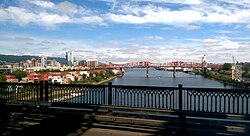
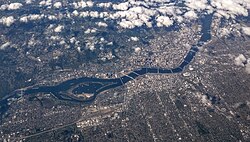
Known as "The City that Works," Portland is the largest city in Oregon and a primary hub of the Pacific Northwest. Founded in 1845 and incorporated in 1851, the city was named after Portland, Maine. Situated at the confluence of the Willamette and Columbia rivers, Portland has evolved from a frontier settlement into a major urban center known for its unique culture, sustainability efforts, and diverse economy.
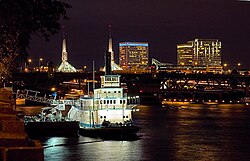
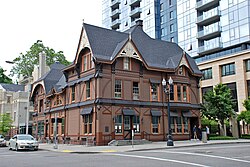
Today, Portland serves as the heart of a sprawling metropolitan area, balancing a dense urban core with vast natural wilderness. From its historic architecture to its modern skyline, the city reflects a blend of industrial heritage and progressive urban planning.
Key Facts
- Founded: 1845
- Population: 652,503 (2020 Census)
- State Rank: 1st in Oregon; 28th in the United States
- Metro GDP: $218.894 billion (2023)
- Government: Mayor-council government
- Geography: Spans Multnomah, Washington, and Clackamas counties
History and Development
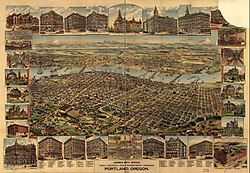
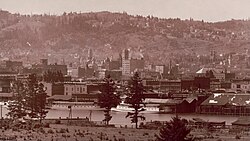
Portland's growth has been marked by steady expansion. In the late 19th century, the city established itself as a regional trade center. By the early 20th century, it had developed a complex urban infrastructure, though some areas were associated with illegal activities, such as gambling and prostitution in certain saloons.
![The White Eagle Saloon (c. 1910), one of many in Portland that had reputed ties to illegal activities such as gambling rackets and prostitution[40]](/images/75/ae/75aebdbe079202251073373b66f320f3fde6026dc8a2b74aa253a9437a0b871b.jpg)
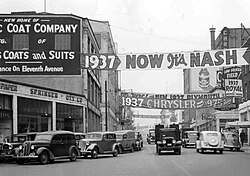
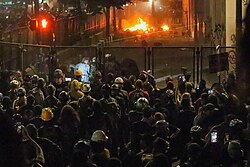
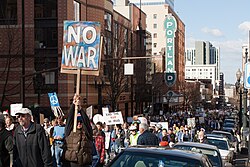
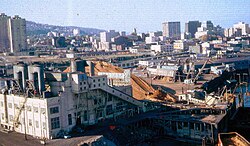
Throughout the mid-20th century, Portland underwent significant transformations. The city removed industrial sites, such as sawdust-fired power plants, to make room for dense residential high-rises. In more recent history, the city has been a site of significant social activism, including large-scale protests against the Iraq War in 2006 and the George Floyd protests in 2020.
Geography and Climate
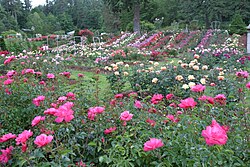
Portland is characterized by a varied topography, with elevations ranging from 0.62 feet at the Columbia River to a high of 1,188 feet. The city is famously conducive to the growth of roses, earning it a reputation as a floral haven.
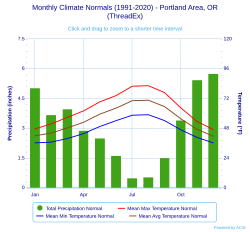
The climate is temperate, with significant precipitation occurring primarily in the winter months. December and January typically see the highest rainfall, while July and August are the warmest and driest months of the year.
Demographics and Population
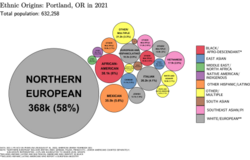
Portland has seen consistent population growth since its founding, rising from just 2,874 residents in 1860 to over 650,000 by 2020. The city's ethnic composition has become increasingly diverse over the decades. While Non-Hispanic Whites remain the largest group (66.4% in 2020), there has been a notable increase in the Hispanic or Latino population, which reached 11.1% by 2020.
![Graph showing the city's population growth from 1850 to 2010[130]](/images/a9/77/a9772704fcc7ca89ed5b6b67a16573ac4f103085637e5665e60e53a0dc803b2f.png)
Economy and Employment
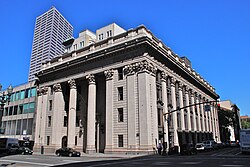
The Portland economy is diversified across several sectors. The largest employment sector is Education and Health Services, followed by Trade, Transportation, and Utilities, and Professional and Business Services. The city is home to several global giants and major regional institutions.
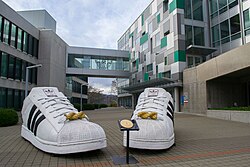
Top Employers (2024)
| Rank | Employer | Employees (2024) | Market Share |
|---|---|---|---|
| 1 | Intel | 23,192 | 1.78% |
| 2 | Oregon Health & Science University | 20,917 | 1.61% |
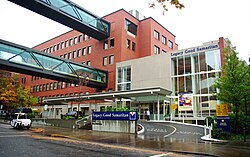
| 3 | Providence Health & Services | 20,700 | 1.59% |
| 4 | Kaiser Foundation | 13,086 | 1.01% |
| 5 | Nike | 10,700 | 0.82% |
Culture, Sports, and Recreation
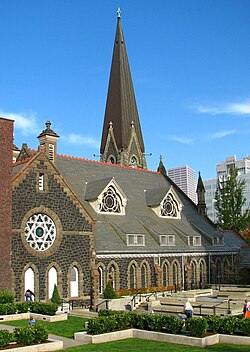
Portland is a center for the arts and athletics. The city hosts a wide array of professional sports teams, including the Portland Trail Blazers (NBA) and the Portland Timbers (MLS). The city is also known for its extensive park system, most notably Forest Park, the largest wilderness park in the U.S. located within city limits.
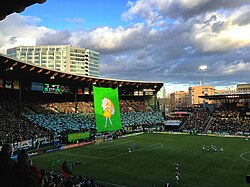
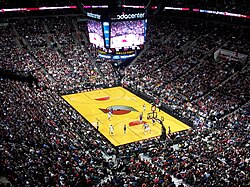
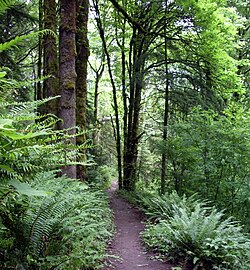
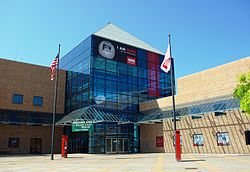
Cultural landmarks include the Portland Art Museum and the Oregon Museum of Science and Industry (OMSI), reflecting the city's commitment to education and the arts.
Infrastructure and Government
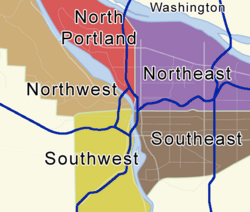
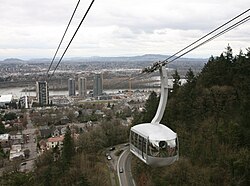
Portland operates under a mayor-council government. The city's infrastructure includes a sophisticated transportation network featuring the Portland Aerial Tram and a comprehensive airport system. The city is also known for its unique addressing sectors and a commitment to sustainable urban development.

Frequently Asked Questions
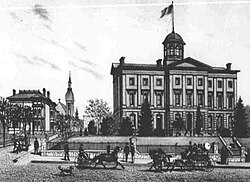
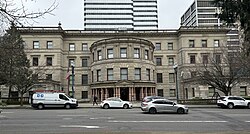
![Built in 1869, the Pioneer Courthouse is the oldest federal building in the Pacific Northwest.[283]](/images/ae/3c/ae3cdcc7e1881a9778fa718c5ca9990b80228c3f750c9d653b7228e4a4b77346.jpg)
What is the population of Portland?
As of the 2020 Census, the city population was 652,503, while the broader metropolitan area population is estimated at 2,511,612.
What are the largest employers in Portland?
The top employers as of 2024 include Intel, Oregon Health & Science University, and Providence Health & Services.
What is the climate like in Portland?
Portland has a temperate climate with wet winters and dry, warm summers. It is particularly well-suited for the growth of roses.
Which professional sports teams play in Portland?
Major teams include the Portland Trail Blazers (NBA), Portland Timbers (MLS), and Portland Thorns FC (NWSL).
What is the largest park in Portland?
Forest Park is the largest wilderness park in the United States that is located within city limits.