Portland, Oregon: The City that Works
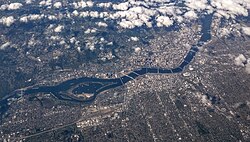
Known as "The City that Works," Portland is the largest city in Oregon and a primary hub of the Pacific Northwest. Founded in 1845 and incorporated in 1851, the city was named after Portland, Maine. Today, it serves as a vibrant center of culture, commerce, and natural beauty, situated across the Willamette River in Multnomah, Washington, and Clackamas counties.
From its historic architecture to its modern urban planning, Portland blends a rich frontier history with a forward-thinking approach to sustainability and civic life.
Key Facts
- Population: 652,503 (2020 Census), with a metropolitan population of over 2.5 million.
- Economy: A diverse economic base with a metro GDP of $218.894 billion (2023).
- Geography: Located at an average elevation of 161 feet, bordered by the Columbia and Willamette rivers.
- Climate: A temperate maritime climate conducive to the growth of roses.
- Government: Operates under a mayor-council government.
History and Urban Evolution
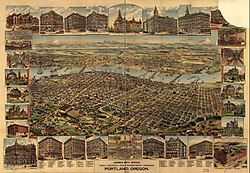
Portland's growth from a small settlement to a major North American city is reflected in its population trends. In 1860, the city had only 2,874 residents; by 2020, that number grew to 652,503.
![Graph showing the city's population growth from 1850 to 2010[130]](/images/a9/77/a9772704fcc7ca89ed5b6b67a16573ac4f103085637e5665e60e53a0dc803b2f.png)
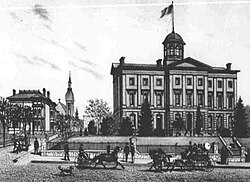
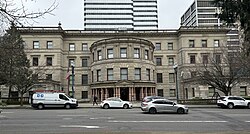
The city's development has been marked by significant milestones, from the construction of the Pioneer Courthouse in 1869—the oldest federal building in the Pacific Northwest—to the modern expansion of the Pearl and Lloyd districts.
![Built in 1869, the Pioneer Courthouse is the oldest federal building in the Pacific Northwest.[283]](/images/ae/3c/ae3cdcc7e1881a9778fa718c5ca9990b80228c3f750c9d653b7228e4a4b77346.jpg)
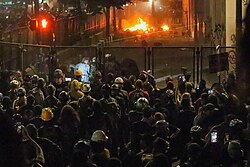
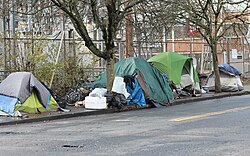
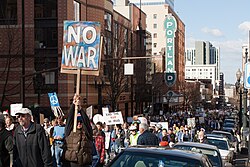
In recent years, Portland has also been a site of significant social activity, including the 2020 George Floyd protests centered around the Mark O. Hatfield Courthouse.
Geography and Climate
![The White Eagle Saloon (c. 1910), one of many in Portland that had reputed ties to illegal activities such as gambling rackets and prostitution[40]](/images/75/ae/75aebdbe079202251073373b66f320f3fde6026dc8a2b74aa253a9437a0b871b.jpg)
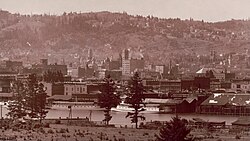
Portland's topography is varied, ranging from the banks of the Columbia River (0.62 ft) to higher elevations reaching 1,188 ft. The city is characterized by its lush greenery and proximity to the Cascade Range.
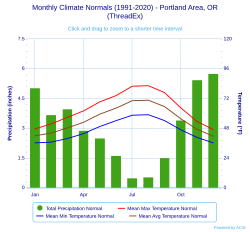
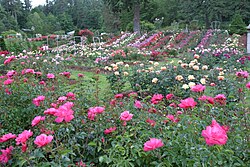
The climate is known for its rainy winters and mild summers. Average annual precipitation is approximately 36.92 to 44.07 inches depending on the specific urban zone. This moisture, combined with temperate temperatures, makes the region ideal for horticulture, most notably the International Rose Test Garden.
Demographics and Society
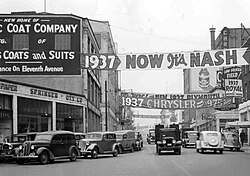
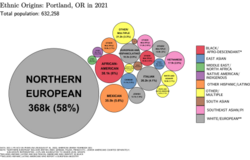
Portland has become increasingly diverse over the last century. While the population was 98.1% White in 1940, the 2020 Census shows a more varied composition, including a significant Hispanic or Latino community (11.1%) and a growing Asian population (8.1%).
The city is also known for its political leanings, with a strong Democratic presence. As of January 2022, approximately 55.55% of registered voters were affiliated with the Democratic Party.
Economy and Employment
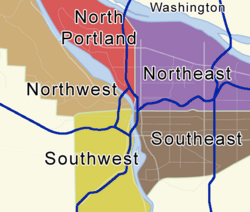
Portland's economy is driven by a mix of high-tech manufacturing, healthcare, and professional services. The Education and Health Services sector is the largest employer, with over 116,000 nonfarm employees.
Top Employers in the Portland Area
| Rank | Employer | Employees (2024) | Market Share |
|---|---|---|---|
| 1 | Intel | 23,192 | 1.78% |
| 2 | Oregon Health & Science University | 20,917 | 1.61% |
| 3 | Providence Health & Services | 20,700 | 1.59% |
| 4 | Kaiser Foundation | 13,086 | 1.01% |
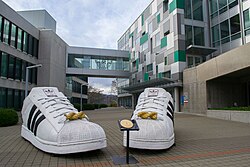
| 5 | Nike | 10,700 | 0.82% |
Culture, Recreation, and Sports
Portland is a hub for the arts and athletics. The city hosts several major professional sports teams, including the NBA's Portland Trail Blazers and the MLS's Portland Timbers.
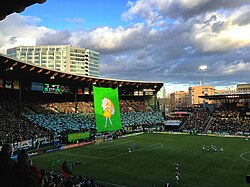
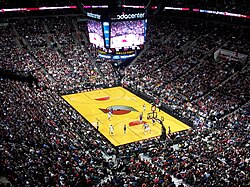
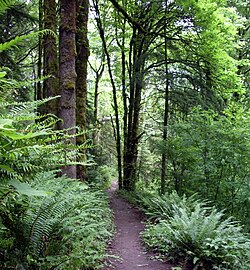
For those seeking nature, Forest Park stands as the largest wilderness park in the United States located within city limits, offering extensive hiking and recreation.
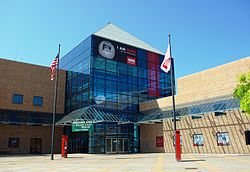
The city's cultural landscape is further enriched by institutions like the Portland Art Museum and the Oregon Museum of Science and Industry (OMSI).
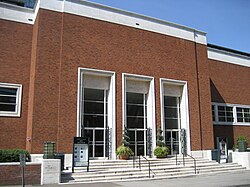
Infrastructure and Transportation
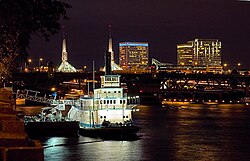
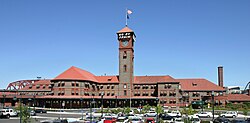
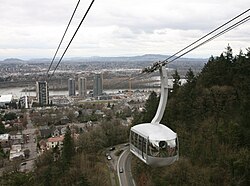
Portland is well-connected via the Portland International Airport and Union Station. The city has invested heavily in unique transit solutions, such as the Portland Aerial Tram, which links the South Waterfront district to OHSU.

Frequently Asked Questions
What is the population of Portland, Oregon?
As of the 2020 Census, the city population was 652,503, while the broader metropolitan area has a population of approximately 2,511,612.
What are the largest employers in the Portland region?
The top employers include Intel, Oregon Health & Science University (OHSU), and Providence Health & Services.
What is the climate like in Portland?
Portland has a temperate maritime climate with significant rainfall, particularly in the winter months, and mild to warm summers, which is ideal for growing roses.
Which professional sports teams are based in Portland?
Major teams include the Portland Trail Blazers (NBA), Portland Timbers (MLS), and Portland Thorns FC (NWSL).
What is the largest park within Portland's city limits?
Forest Park is the largest wilderness park in the United States located within city limits.