Pope Saint Paul VI: The Architect of Modern Catholicism
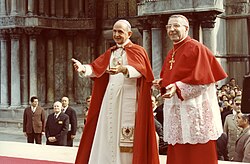
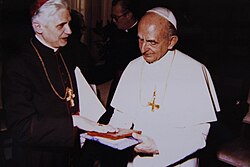
Pope Saint Paul VI, born Giovanni Battista Enrico Antonio Maria Montini, served as the Bishop of Rome from 1963 to 1978. His papacy was defined by a period of profound transition, as he navigated the Catholic Church through the complexities of the mid-20th century. Known for his intellectual depth and diplomatic skill, Paul VI is remembered as the pope who bridged the gap between ancient tradition and the modern world.
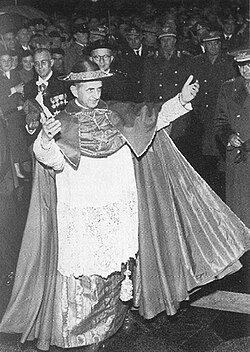
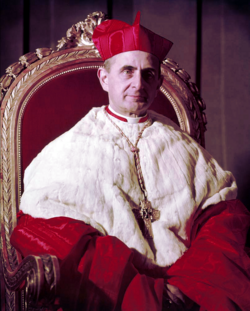
Before ascending to the papacy, Montini had a distinguished career within the Roman Curia—the administrative apparatus of the Holy See. He served as a Referendary Prelate of the Apostolic Signatura and later as the Substitute for General Affairs. His leadership capabilities were further solidified during his tenure as the Archbishop of Milan from 1954 to 1963, where he developed a philosophy of pastoral progressivism.
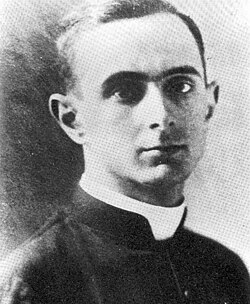
Key Facts
- Born: September 26, 1897, in Concesio, Italy.
- Papacy: June 21, 1963, to August 6, 1978.
- Major Achievement: Oversaw the completion and implementation of the Second Vatican Council (Vatican II).
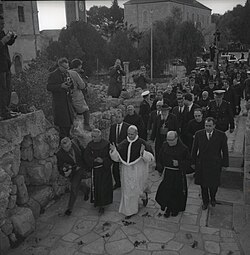
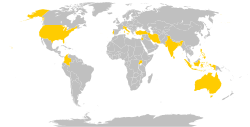
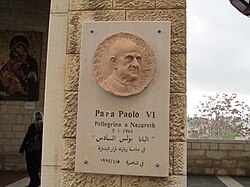
- Diplomacy: The first pope to travel extensively outside Italy, including a historic visit to Israel in 1964.
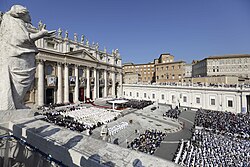
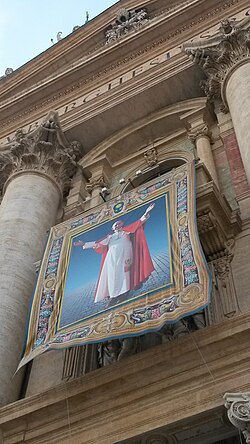
- Sainthood: Beatified in 2014 and canonized as a saint on October 14, 2018.
The Path to the Papacy
Montini's journey to the papacy was marked by steady ascent and academic rigor. After receiving his JCD (Doctor of Canon Law) from the University of Milan, he was ordained a priest on May 29, 1920. His time in the Secretariat of State under Pope Pius XII prepared him for the global nature of the papacy.
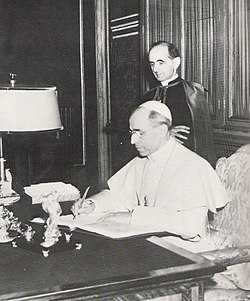
In 1958, Pope John XXIII created him a cardinal, and he later served as the Archbishop of Milan. During this time, he became known for his commitment to the spiritual needs of the laity and his openness to the changing social landscape of post-war Europe.
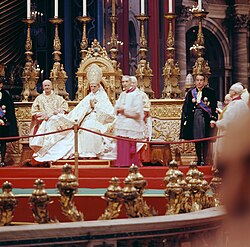
Leading the Second Vatican Council
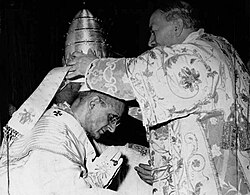
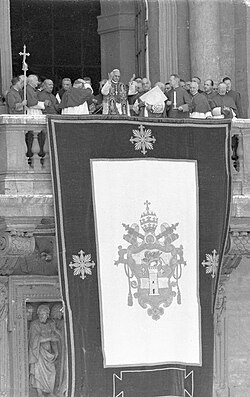
Elected on June 21, 1963, Paul VI inherited the Second Vatican Council, a landmark event intended to modernize the Church. He re-opened the council on September 29, 1963, establishing four primary priorities:
- Developing a better understanding of the Catholic Church.
- Implementing necessary Church reforms.
- Advancing the unity of Christianity (ecumenism).
- Establishing a meaningful dialogue with the modern world.
Liturgical and Structural Reforms
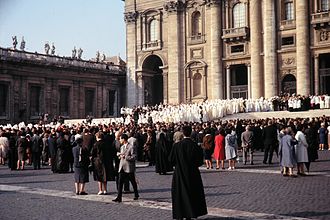
Under Paul VI, the Church underwent significant liturgical changes to make worship more accessible. He renewed the Roman Missal and revised the rites for baptism, funerals, and the anointing of the sick. He also established the Synod of Bishops to provide a more collaborative approach to Church governance and introduced age limits for cardinals voting in papal conclaves.
Global Diplomacy and Ecumenism
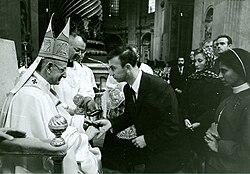
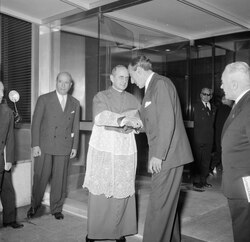
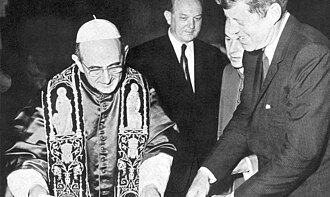
Paul VI transformed the papacy into a global office. He was a tireless advocate for peace, famously declaring, "No more war, never again war." His diplomatic efforts extended to meeting with world leaders, including U.S. President John F. Kennedy in 1963, and engaging with scholars from various faiths, including Iranian Shia scholars.
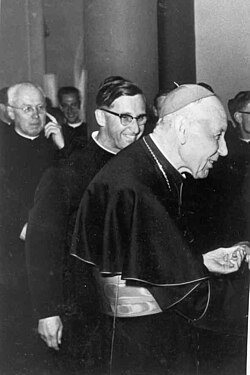
His commitment to ecumenism—the movement toward unity among different Christian churches—was a cornerstone of his reign. He supported Cardinal Augustin Bea in achieving breakthroughs with other Christian denominations and maintained open dialogues with the Oriental and Eastern Orthodox churches.
A Legacy of Generosity
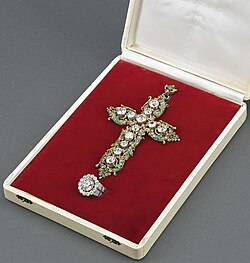
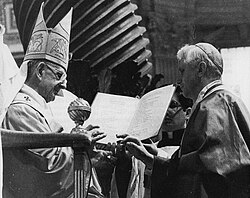
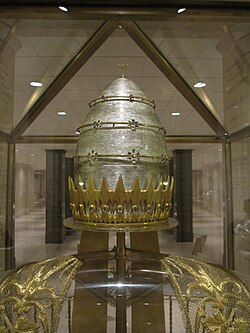
In a symbolic gesture of solidarity with the world's poor, Pope Paul VI donated his diamond ring and cross to the United Nations. He also famously gave away his papal tiara, signaling a shift away from the monarchical trappings of the office toward a more pastoral leadership style.
Theology and Final Years
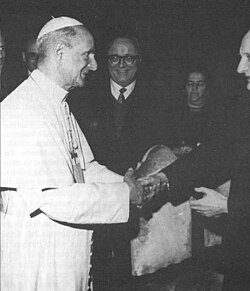
The papacy of Paul VI was not without controversy. His encyclical Humanae Vitae, which addressed birth control, sparked significant debate within the Church and the wider world. He also authored other influential documents such as Populorum Progressio, which focused on the development of people and nations.
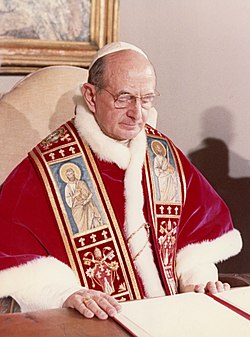
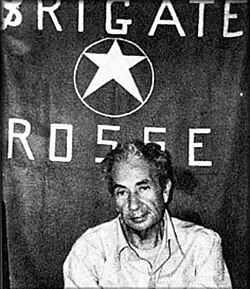
His final years were marked by personal health struggles and the tragedy of the kidnapping and killing of Italian politician Aldo Moro in 1978. Pope Paul VI passed away on August 6, 1978, at Castel Gandolfo at the age of 80.
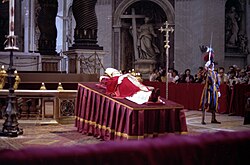
Canonization and Legacy
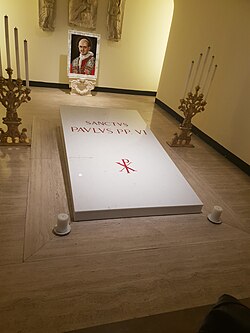
The Church eventually recognized the holiness and service of Paul VI. He was beatified by Pope Francis on October 19, 2014, and canonized as a saint on October 14, 2018. Today, he is venerated as a Confessor of the Faith, with his feast day celebrated on May 29.
| Category | Details |
|---|---|
| Birth Name | Giovanni Battista Enrico Antonio Maria Montini |
| Papal Term | 1963–1978 |
| Predecessor | John XXIII |
| Successor | John Paul I |
| Key Document | Humanae Vitae |
| Canonization Date | October 14, 2018 |
Frequently Asked Questions
What was Pope Paul VI's role in Vatican II?
Pope Paul VI was responsible for completing the Second Vatican Council, which had been started by Pope John XXIII. He guided the council through its final sessions and worked to implement its reforms regarding liturgy, ecumenism, and the Church's relationship with the modern world.
Why is Humanae Vitae significant?
Humanae Vitae is one of the most discussed encyclicals in modern history because it reaffirmed the Church's teaching against artificial contraception, leading to significant theological and pastoral debates.
Which world leaders did Pope Paul VI meet?
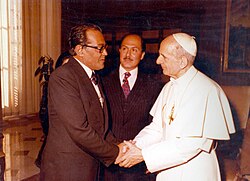
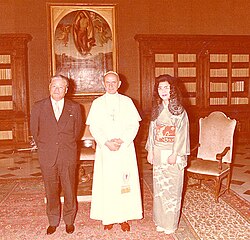
He met with numerous global figures, most notably U.S. President John F. Kennedy in 1963 and Japanese Foreign Minister Ōhira Masayoshi in 1973.
What did Pope Paul VI do with his papal tiara?
In a gesture of humility and support for the poor, Pope Paul VI gave away his jeweled tiara, moving the papacy away from the traditional symbols of temporal power.
When was Pope Paul VI canonized?
He was canonized as a saint by Pope Francis on October 14, 2018, during a Mass held in St. Peter's Square.