Pop Music: The Evolution of a Global Cultural Phenomenon
Pop music, or simply "pop," is a dynamic genre of popular music that has shaped global culture for decades. While its modern form emerged during the mid-1950s in the United States and the United Kingdom, its roots and influences stretch across a vast landscape of musical styles and technological advancements. From its early associations with rock and roll to its current status as a highly diverse, digitally-driven industry, pop music continues to reflect the tastes and interests of the masses.
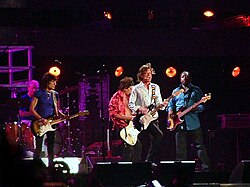
Defining the Sound of the Masses
The definition of pop music has evolved alongside the industry itself. Some scholars define popular music as the music produced since the industrialization of the 1800s that aligns with the tastes of the urban middle class. The specific term "pop song" first appeared in 1926 to describe music with widespread popular appeal.
By the mid-1950s, the term began to specifically describe the new youth-oriented music styles influenced by rock and roll. While the term "pop" once referred to concerts appealing to wide audiences, it eventually became a specialized designation for non-classical music, typically in song form, performed by iconic artists like The Beatles and ABBA.
Key Facts
- Origins: Modern pop music emerged in the mid-1950s in the US and UK.
- Early Influence: In the 1950s and 60s, pop was often synonymous with rock and roll.
- Technological Drivers: The rise of 45 rpm records, television, and transistor radios revolutionized how pop was consumed.
- Visual Era: The 1980s rise of MTV made visual appeal a critical component for pop stardom.
- Modern Trends: Contemporary pop has seen a shift toward electronic beats and a "sad yet danceable" tone.
The Role of Technology and Media
Technological innovation has been a primary driver of pop music's development. In the 1940s, improved microphone design allowed for a more intimate singing style. This was followed by the introduction of inexpensive, durable 45 rpm records, which helped establish the record, radio, and film star system.
![Bing Crosby was the first performer to pre-record his radio shows and master his recordings onto magnetic tape.[31]](/images/49/7d/497d6d4ce2f42cc8f337b28d93693ba80ecd9f54c310087e29854eb4148f8e60.jpg)
The mid-20th century also saw the widespread availability of television, requiring pop stars to maintain a strong visual presence. By the 1960s, portable transistor radios allowed teenagers to listen to music away from home, fostering a dedicated youth culture. Later, in the 1980s, music television channels like MTV prioritized artists with high visual appeal, such as Michael Jackson and Madonna.
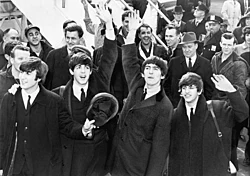
Advanced production techniques, including multi-track recording in the 1960s and digital sampling in the 1980s, have further allowed for the complex creation of modern pop tracks.
Stylistic Evolution and Subgenres
Pop music is a "fusion" genre, meaning it constantly absorbs elements from other styles. It began with influences from traditional pop—the American counterpart to European styles like Schlager and Chanson—which drew from Broadway and Tin Pan Alley. Over time, it integrated classical, folk, rock, country, and electronic music.
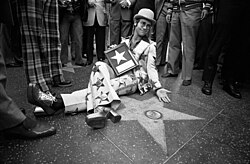
Diverse Subgenres and Fusions
The genre has branched into countless specialized forms, including:
- Electronic-based: Synth-pop, electropop, and dance-pop.
- Rock-influenced: Pop rock, pop punk, and power pop.
- Niche styles: Bubblegum pop, bedroom pop, and art pop.
- Fusion genres: Country pop, folk-pop, and R&B-infused pop.

Scientific Observations on Musical Change
Research has noted shifts in the composition of pop music over time. A 2016 study of over 464,000 recordings found that contemporary pop uses a smaller variety of pitch progressions, less diverse instrumentation, and greater average volume compared to 1960s pop. Additionally, researchers at the University of California, Irvine, concluded that pop music has become "sadder" since the 1980s, often replacing bright elements with electronic beats to create a "sad yet danceable" aesthetic.
Global Reach and the 21st Century
Pop music is a truly international phenomenon. Latin pop, for example, saw significant success in the US starting in the 1950s with artists like Ritchie Valens, eventually leading to global chart-toppers like "Macarena" and "Despacito." Other major regional scenes include those in South Korea, Japan, Brazil, and the Middle East.

The 21st century brought the digital revolution. While the internet allowed for the discovery of niche artists, it also introduced challenges like music piracy. The early 2000s were dominated by stars like Britney Spears, whose 2007 album Blackout epitomized the blending of EDM, R&B, and hip-hop.
![Britney Spears has been named "Princess of Pop" for revitalizing teen pop in the 2000s.[57]](/images/91/36/9136643709364fcf185ac0031da1d3907c8e121e712735276ce4f4f7081dbc97.jpg)
By the 2010s, the influence of club culture and electronic dance music (EDM) became dominant. This era also saw the rise of "recession pop," characterized by themes of escapism, and the emergence of alternative pop, led by artists like Lana Del Rey and Billie Eilish, which introduced more moody and atmospheric tones to the mainstream.
Summary of Pop Music Evolution
| Era | Key Characteristics | Primary Technology/Medium |
|---|---|---|
| Mid-1940s - 1950s | Traditional pop, early Rock and Roll | Microphones, 45 rpm records |
| 1960s | British Invasion, progressive pop | Transistor radios, multi-track recording |
| 1980s | Synth-pop, electronic influence | MTV, digital recording, synthesizers |
| 2000s - Present | EDM influence, alternative pop, digital downloads | Internet, streaming, digital sampling |
Frequently Asked Questions
What is the difference between pop and rock music?
Historically, the two were closely linked. In the 1950s and 60s, pop music encompassed rock and roll. However, by the late 1960s, they began to diverge, with pop becoming more associated with commercial, accessible, and ephemeral music.
How has technology changed pop music?
Technology has influenced everything from how music is recorded (multi-track and digital sampling) to how it is consumed (radio, television, and the internet). It has also changed the requirements for artists, making visual presence essential due to the rise of music television.
What is "poptimism"?
Poptimism refers to a trend in certain music publications where the music's legitimacy is embraced, blurring the traditional boundaries between "art" music and "pop" music.
Why is modern pop described as "sad yet danceable"?
Researchers have observed that since the 1980s, elements of brightness and happiness in pop have often been replaced by electronic beats and more melancholic tones, creating a unique combination of sad melodies and danceable rhythms.
What is recession pop?
Recession pop refers to a style of pop music that became popular during the 2010s, characterized by themes of escapism through partying, influenced by the economic climate of the Great Recession.