Poles: History, Culture, and Global Distribution
The Poles (Polish: Polacy) are a West Slavic ethnic group primarily residing in Poland. With a global population of approximately 60 million, they possess a rich cultural heritage and a resilient history that has seen them expand far beyond their ancestral borders. From their origins as Lechites to their influence in modern global society, the Polish people are defined by a strong sense of national identity, a shared language, and a deep-rooted spiritual tradition.
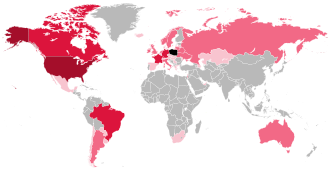
Key Facts
- Total Population: Approximately 60 million worldwide.
- Primary Language: Polish.
- Dominant Religion: Roman Catholicism.
- Ethnic Roots: West Slavs, specifically the Lechites.
- Major Diaspora Hubs: United States, Germany, Brazil, Canada, and France.
Ethnogenesis and Early History
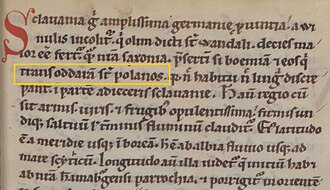
The formation of the Polish people is rooted in the migration and settlement of West Slavs. Early records mention the Polans, a tribal group from which the modern name of the people and the nation is derived. One of the earliest historical references appears in the Gesta Hammaburgensis ecclesiae pontificum (1073) by Adam of Bremen, noting the presence of the Polanos.
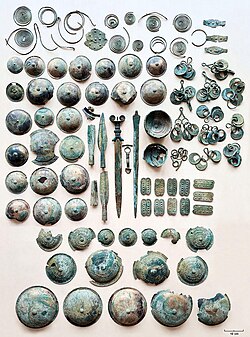
Archaeological evidence, such as artifacts from the Lusatian culture in Pomerania dating back to the 8th century BCE, highlights the early metallurgical and bronze-making skills of the inhabitants of the region long before the formal establishment of the Polish state.
The Evolution of Language
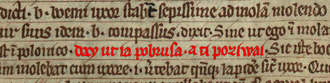
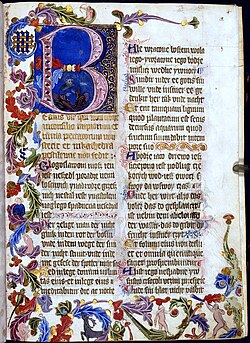
The Polish language evolved as a distinct West Slavic tongue. Some of the earliest written evidence of the Old Polish language can be found in the Book of Henryków, while the Saint Florian's Psalter remains one of the most significant early surviving works in the language.
Historical Progression
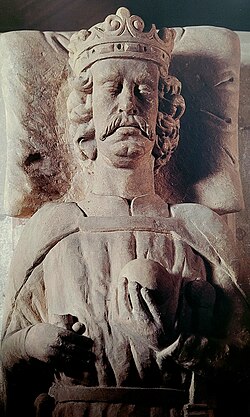
The trajectory of the Polish people has been marked by periods of immense power and challenging struggle. The medieval era saw the rise of the Piast dynasty and the adoption of Christianity in 966, which integrated Poland into Western European civilization.
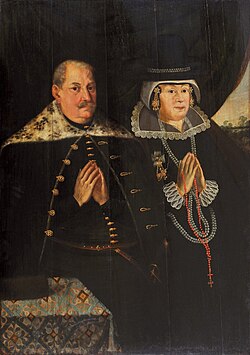
During the early modern period, the creation of the Polish-Lithuanian Commonwealth established a vast, multicultural state. This era was characterized by the influence of the szlachta (nobility), who maintained a unique political system of noble democracy.
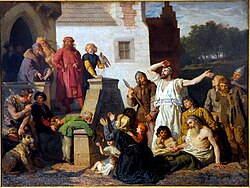
The Commonwealth was also known for its relative tolerance; for instance, King Casimir III the Great famously welcomed Jewish populations to Poland, fostering a diverse societal fabric.
Contemporary Era and Border Shifts
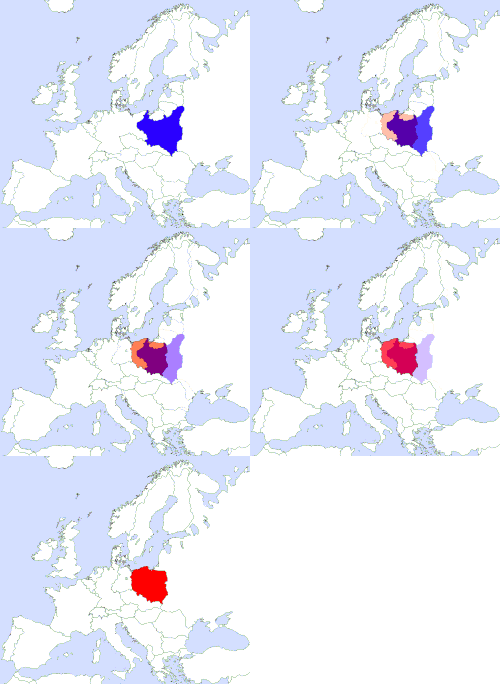
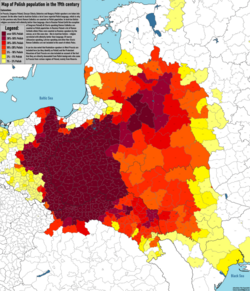
The 20th century brought profound changes. Following World War II, significant border shifts led to the expulsion, movement, and repatriation of millions of Polish citizens, fundamentally altering the demographic map of Central Europe.
Culture and National Identity
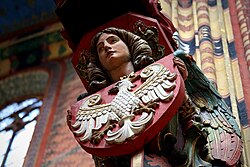
Polish identity is closely tied to several enduring symbols and cultural practices. The White Eagle serves as the primary national and cultural symbol, representing strength and independence.
Arts and Intellectual Contributions
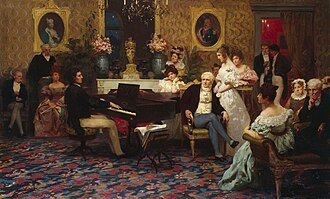
Poland has produced world-renowned figures in music and science. Frédéric Chopin remains a global icon of the Romantic era in music, while the nation's commitment to education has fostered a strong tradition of scientific inquiry.
Traditions and Daily Life
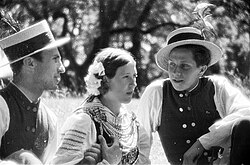
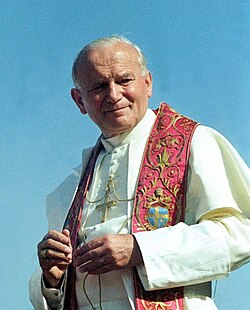
From the vibrant folk costumes of regions like Lublin to a distinct food culture characterized by high pork consumption and the famous kielbasa (sausage), Polish traditions remain vivid. Religion also plays a central role, with Roman Catholicism being the predominant faith, exemplified by the global influence of Pope John Paul II, the first Polish Pope.

Global Distribution
Due to historical partitions, wars, and economic migration, a massive Polish diaspora exists globally. While the largest population remains within Poland, millions of ethnic Poles live abroad, particularly in the Americas and Western Europe.
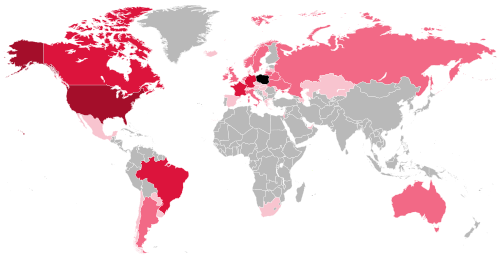
| Country | Estimated Population | Data Year |
|---|---|---|
| Poland | 37,595,069 | 2021 |
| United States | 10,600,000 | 2015 |
| Germany | 2,253,000 | 2018 |
| Brazil | 1,800,000 | 2007 |
| Canada | 1,010,705 | 2013 |
| France | 1,000,000 | 2022 |
Frequently Asked Questions
Who are the Lechites?
The Lechites are a subgroup of West Slavs from whom the Polish people are descended, forming the ethnic foundation of the early Polish tribes.
What is the primary religion of the Polish people?
The vast majority of Poles are Roman Catholic, a tradition that has deeply influenced the country's history, culture, and social values.
Where is the largest Polish population outside of Poland?
The United States hosts the largest Polish diaspora, with an estimated 10.6 million people of Polish descent as of 2015.
What is the significance of the White Eagle?
The White Eagle is the enduring national symbol of Poland, appearing on the national coat of arms and representing the Polish state and its people.
How did the borders of Poland change after World War II?
Post-WWII border changes resulted in the movement and repatriation of millions of Polish citizens, shifting the country's territory and demographics.