Poland Real Estate Market: Analysis of the 2008 Bubble and Price Trends
The Polish residential property market experienced a period of extreme volatility between 2002 and 2013, characterized by a rapid ascent in prices followed by a significant correction. This cycle provides a clear example of how economic indicators and credit availability can drive a property bubble—a situation where asset prices rise far above their intrinsic value.
The Rapid Ascent and the 2008 Peak
From 2002 to 2008, real estate prices in Poland rose drastically. The capital city, Warsaw, saw particularly aggressive growth. Between June 2006 and June 2007, the average price per square meter of residential area in Warsaw climbed from 6,683 PLN (1,636 EUR) to 9,540 PLN (2,519 EUR), representing a 50% increase in euro terms.
This upward trajectory reached its zenith in the autumn of 2008. Following this peak, the market shifted, and the average price of residential space across Poland began to decline by 5% in nominal terms (the face value of the currency) or 10% per year in real terms (adjusted for inflation).
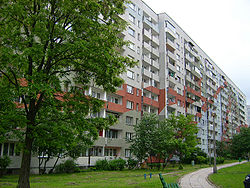
Signs of a Property Bubble
By early 2007, several warning signs indicated that the Polish property market was becoming unsustainable. These indicators suggested an overheating economy and a precarious credit environment:
- Extended Credit: Banks increased loan periods from 30 to 50 years to expand credit limits for buyers.
- Household Debt: There was a noticeable increase in the amount of debt within family budgets.
- Monetary Pressure: Interest rates began to rise.
- Economic Slowdown: The GDP (Gross Domestic Product) growth rate reduced to 1.5%, signaling an overheating economy.
- Market Stagnation: A period of price stagnation and a dramatic drop in sales occurred despite a dynamically increasing supply of residential properties.
Post-Crisis Price Corrections by City
Following the mid-2008 peak, house prices continued to fall through 2013. In Warsaw, the average price per square meter dropped from 9,000 PLN (2,500 EUR) in 2008 to 7,400 PLN (1,850 EUR) by 2013.
The impact of the crash varied significantly across different Polish cities. The following table summarizes the price declines compared to pre-crisis peaks as of 2013:
| City | Price Decrease (%) |
|---|---|
| Warsaw | 13.1% |
| Kraków | 17.9% |
| Poznań | 28% |
| Gdańsk | 27% |
| Łódź | 35.7% |
Key Facts
- Peak Period: The Polish property market peaked in autumn 2008.
- Warsaw Growth: Prices in Warsaw rose 50% in euro terms between June 2006 and June 2007.
- Hardest Hit: Łódź experienced the steepest decline, with prices plummeting by 35.7%.
- Income Ratio: Poland maintains a high house price to income ratio of 13.58.
- Rental Yield: Estimated rental profitability for residential units ranges between 3.92% and 4.31%.
Factors Influencing Future Market Stability
Despite the corrections seen after 2008, several fundamental factors support the potential for price stabilization or future increases:
- Income Growth: Salaries have been increasing rapidly, at approximately 8% per year.
- Housing Shortage: Compared to other developed nations, Poland has low figures for both apartments per person and total housing estate area.
- Remittances: Money repatriated by Polish emigrants provides additional capital for the market.
- Urbanization: There is a rapid shift in population from rural areas and small towns toward major urban centers.
- Capital City Capacity: Warsaw's population of 2 million represents only about 5% of the national population, which is considered low for a capital city.
Frequently Asked Questions
When did the Polish property bubble peak?
The peak occurred in the autumn of 2008, after which prices began to drop by 5% in nominal terms and 10% in real terms annually.
Which city saw the largest drop in house prices after 2008?
Łódź saw the most significant decline, with property prices plummeting by 35.7% compared to pre-crisis peaks.
What were the early warning signs of the bubble in 2007?
Key signs included banks extending loan terms to 50 years, rising interest rates, increasing household debt, and a GDP growth rate reduction to 1.5%.
What is the current rental profitability for residential units in Poland?
The estimated rental profitability for residential units is between 3.92% and 4.31%.
How does urbanization affect the Polish real estate market?
Rapid urbanization is driving demand in major urban areas as the population of small towns and rural areas declines, contributing to price stabilization or growth in cities.