Podłaźniczka: The Ancient Precursor to the Polish Christmas Tree
Long before the modern evergreen tree became a staple of holiday celebrations, Poland embraced a unique tradition known as the podłaźniczka. Rooted in ancient pre-Christian Slavic times, this festive ornament served as a symbolic centerpiece for the home, blending nature with spiritual hopes for the coming year.
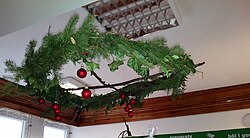
The podłaźniczka is widely considered the prototype of the modern Christmas tree in Poland. Rather than a standing tree, it was a suspended decoration that brought the essence of the forest indoors during the winter solstice.
Regional Origins and Construction
This tradition was most prominent in the regions of Upper Silesia and Lesser Poland, particularly within the Goral lands. The construction of a podłaźniczka varied by household and local custom. It could take several forms:
- A single branch from a conifer tree.
- A conifer treetop turned upside down.
- A przetak (a riddle ring) to which various evergreen twigs were attached.
Once crafted, the ornament was typically attached to a ceiling rafter. Its placement was intentional, often hanging directly above the Christmas Eve dinner table or situated within the sacred corner of the home.
Traditional Decorations and Symbolism
The podłaźniczka was adorned with a variety of handmade and natural items. One of the most distinct decorations were światy—intricate shapes such as stars, crosses, and snowflakes created from thin flakes of opłatek (Christmas wafer) joined together. Because these were crafted on Wigilia (Christmas Eve), they were also referred to as wilijki. In some instances, światy were hung independently from ceiling beams rather than attached to the greenery.
Other common embellishments included:
- Colored paper cutouts.
- Natural treats: apples, cookies, nuts, and conifer cones.
- Gilded flax seeds.
- Glass baubles (introduced later in the 20th century).
Beyond its beauty, the podłaźniczka held deep symbolic meaning. It was believed to bring prosperity and good luck to the household and was thought to protect farm animals from diseases and predators, such as wolves. A similar decorative tradition involved the use of a straw pająk (a traditional Polish folk spider-shaped mobile).
Summary of Podłaźniczka Traditions
| Feature | Details |
|---|---|
| Origins | Pre-Christian Slavic times |
| Primary Regions | Lesser Poland (Goral lands) and Upper Silesia |
| Materials | Conifer branches, treetops, or przetak rings |
| Key Decorations | Światy (wafer shapes), paper cutouts, fruits, and nuts |
| Purpose | Prosperity, good luck, and protection of livestock |
Key Facts
- The podłaźniczka is the direct precursor to the modern Christmas tree in Poland.
- It was traditionally hung from the ceiling rather than placed on the floor.
- Decorations included światy, which are artistic shapes made from Christmas wafers.
- The tradition dates back to ancient Slavic times before the arrival of Christianity.
- It was believed to safeguard farm animals from wolves and illness.
Regional Names
Depending on the local dialect and region, the podłaźniczka was known by many different names, including:
- Połaźniczka, połaźnik, or podłaźnik
- Podłaźnica or jutka
- Sad, sad rajski, or rajskie drzewko (Paradise tree)
- Boże drzewko (God's tree)
- Wiecha or gaik
Frequently Asked Questions
What is a podłaźniczka?
A podłaźniczka is a traditional Polish Christmas decoration made from conifer branches or treetops, hung from the ceiling, and serving as the precursor to the modern Christmas tree.
What are światy and wilijki?
Światy are decorative shapes like stars and snowflakes made from thin opłatek (wafer) flakes. When made specifically on Christmas Eve (Wigilia), they are also called wilijki.
Where in Poland was this tradition most common?
The tradition was primarily practiced in Upper Silesia and Lesser Poland, with a strong presence in the Goral lands.
What was the spiritual purpose of the podłaźniczka?
It was intended to bring good luck and prosperity to the home and to protect the family's farm animals from diseases and wolves.
How does a podłaźniczka differ from a modern Christmas tree?
Unlike a modern tree that stands on the floor, the podłaźniczka consisted of branches or a treetop that was suspended from a ceiling rafter, often above the dinner table.