Plums: History, Cultivation, and Culinary Uses of This Ancient Fruit
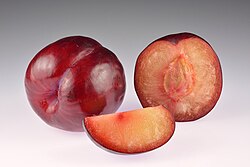
The plum is a versatile and widely enjoyed fruit belonging to the Prunus subgenus. Known for their juicy flesh and diverse flavor profiles, plums range from intensely sweet to sharply tart. While often eaten fresh, they are also famously dried to create prunes, processed into jams, or fermented into wines and brandies. This ancient fruit has been a staple of human diets for millennia, evolving from wild species into the many highly specialized cultivars we recognize today.
Key Facts
- Global Leader: China produced 55% of the world's total plum supply in 2023.
- Fruit Type: The plum is a drupe, meaning it has a fleshy exterior surrounding a single hard stone.
- Primary Species: The two most commercially significant types are the European plum (Prunus domestica) and the Japanese plum (Prunus salicina).
- Nutritional Profile: Raw plums are approximately 87% water and a moderate source of Vitamin C.
- Safety Note: Plum seeds contain amygdalin, a cyanogenic glycoside that can release cyanide-like poisons.
The Rich History of Plum Domestication
Plums are believed to be among the first fruits domesticated by humans. Archaeological evidence from the Neolithic age has uncovered plum remains alongside other early cultivated crops like olives, grapes, and figs. While some scholars, such as Ken Albala, suggest plums originated in Iran, others trace their roots to Eastern Europe, the Caucasus Mountains, and China.
The movement of plums across the globe is well-documented. They were brought from Asia to Britain, and their cultivation was even recorded in 12th-century Spanish agricultural texts. In England, plum growing was a staple of medieval monasteries, and the poet Chaucer even referenced "ploumes" in his works. By the 17th and 18th centuries, cultivation expanded significantly, leading to the establishment of famous varieties like the Mirabelle and the Greengage.
Botanical Description and Growth
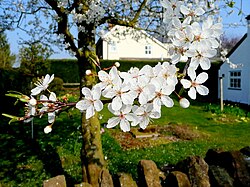
Plum trees are medium-sized plants. When managed through regular pruning, they typically reach heights of 5–6 metres (16–20 ft). However, without intervention, they can grow as tall as 12 metres (39 ft) with a spread of 10 metres (33 ft). The trees exhibit medium hardiness and their flowering seasons vary by geography, occurring as early as January in Taiwan and as late as April in the United Kingdom.
The fruit itself is usually globose or oval, measuring between 2–7 centimetres in diameter. A defining characteristic is the smooth, waxy peel that adheres closely to the firm, juicy flesh. In a successful growing season, approximately 50% of the blossoms may be pollinated to become fruit.
Common Challenges in Cultivation
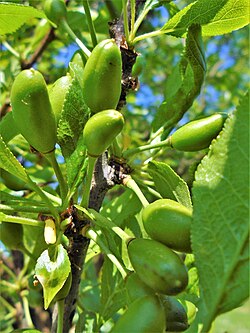
Growing plums requires careful environmental management. Excessive dryness can cause tiny green buds to fall from the tree before they develop. Conversely, unseasonably wet weather or delayed harvesting can lead to brown rot, a fungal condition. While the rot itself is not toxic and affected areas can sometimes be removed, the fruit often becomes inedible if the condition is not caught immediately.
Diverse Plum Varieties and Species
The world of plums is divided into several distinct groups based on their species and characteristics:
Japanese or Chinese Plums
Dominated by Prunus salicina and its hybrids, these plums are large, juicy, and possess a long shelf life. Because they are typically clingstone (the flesh sticks to the pit), they are ideal for fresh consumption but are generally not used for making prunes.
European Plums
The Prunus domestica species is highly valued for both dessert and culinary uses. Notable cultivars include:
- Damson: A purple or black-skinned, astringent fruit with green flesh.
- Prune Plum: A sweet, oval, freestone variety used for drying.
- Greengage: Known for its firm, green flesh and skin.
- Mirabelle: A dark yellow variety predominantly grown in northeast France.
- Victoria: A popular variety with yellow flesh and red or mottled skin.
Other Regional Varieties
In West Asia, the myrobalan or cherry plum (Prunus cerasifera) is widely grown. Russia also produces the Russian plum (Prunus × rossica), which is a hybrid of the Japanese and myrobalan plums. It is important to note that in some regions, names like "marian plum" or "loquat" are used for fruits that are botanically distinct from the European and American plum species.
Global Production and Culinary Uses
Plum production is a massive global industry. In 2023, total world production reached approximately 12.5 million tonnes. China remains the dominant force, followed by Romania and Chile.
| Country | Production (Tonnes) |
|---|---|
| China | 6,888,895 |
| Romania | 645,090 |
| Chile | 433,934 |
| Serbia | 362,713 |
| Turkey | 355,132 |
| Iran | 354,789 |
Culinary applications for plums are vast and culturally specific:
- Asia: Dried plums are often prepared with licorice, salt, or spice. Pickled plums, such as the Japanese umeboshi, are common staples.
- The Balkans: Plums are frequently distilled into slivovitz (plum brandy).
- Hungary: Plums are used for lekvar (a thick paste), palinka (brandy), and various dumplings.
- Romania: A significant portion of production is used to create țuică, a traditional brandy.
Nutritional Value
Plums are a healthy, low-calorie fruit. A 100g serving provides approximately 46 calories and is a source of dietary fiber, carbohydrates, and Vitamin C. They are also composed of about 87% water, making them a hydrating snack.
Frequently Asked Questions
What is the difference between a plum and a prune?
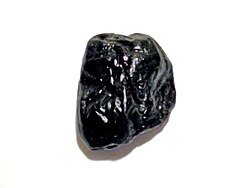
A prune is simply a dried plum. While many people associate prunes with specific varieties, they are traditionally made from certain European plum cultivars that are suitable for drying.
Are plum seeds safe to eat?
No, you should avoid eating plum seeds. They contain amygdalin, a compound that can release cyanide-like poisons when ingested.
What does "freestone" mean in relation to plums?
A "freestone" plum is one where the flesh separates easily from the hard pit (stone). This is in contrast to "clingstone" varieties, where the flesh sticks tightly to the pit.
Can you grow plum trees in a small garden?
Yes, but they require management. While they can reach 12 metres in height if left alone, they are typically pruned to a manageable 5–6 metres for cultivation.
What is brown rot in plums?
Brown rot is a fungal condition that can affect plums, especially in unseasonably wet weather. While not toxic, it can make the fruit inedible if the rot spreads extensively.