The Evolution and Impact of Playgrounds: From Victorian Parks to Modern Design
A playground, playpark, or play area is a dedicated environment designed to facilitate play, most commonly in an outdoor setting. While traditionally centered on children, modern play spaces are increasingly being designed for diverse age groups, including older individuals with disabilities. Whether they are public parks or private installations, these spaces serve as vital hubs for physical, social, and emotional growth.
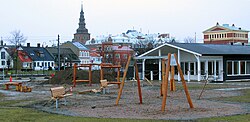
Modern playgrounds feature a wide array of recreational equipment, such as seesaws, swingsets, slides, jungle gyms, and sandboxes. Many of these structures are interconnected, allowing children to move seamlessly between activities. Beyond specialized play equipment, many areas also include facilities for informal adult sports, such as basketball courts, skating arenas, or baseball diamonds.
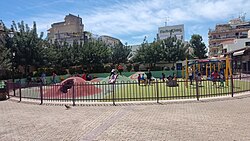
Key Facts
- Developmental Benefits: Playgrounds help children master physical skills like balancing and climbing, which can enhance self-esteem through physical mastery.
- Safety Statistics: Falls to the surface are a contributing factor in 79% of all playground-related injuries.
- Injury Trends: For children aged 0–4, climbers are the most common source of injury, while for those aged 5–14, climbing equipment remains the highest risk.
- Global History: The first purpose-built public playgrounds were created in 1846 in Manchester, England.
- Safety Regulation: In the US, Certified Playground Safety Inspectors (CPSI) ensure equipment meets national standards like ASTM F1487-07.
The History of Play
The 19th Century: Social and Developmental Roots
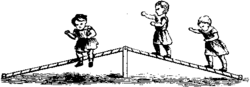
In the 1800s, the concept of the playground emerged from both educational and social reform movements. Developmental psychologists, such as Friedrich Fröbel, proposed that playgrounds could act as developmental aids to teach children fair play and good manners. In Germany, early playgrounds were established near schools, while in the 1840s, Britain's Home and Colonial Infant School utilized climbing structures and parallel bars.
Industrialization also drove the need for green spaces. In 1843, Thomas Carlyle argued that industrial cities like Manchester required free greenfields for children to "disport" in. This led to the creation of the first purpose-built public playgrounds in 1846 at Peel Park, Queen’s Park, and Philips Park. Later in the century, the Metropolitan Public Gardens Association in London advocated for playgrounds to ensure a steady supply of healthy, strong children for the nation's workforce and military.
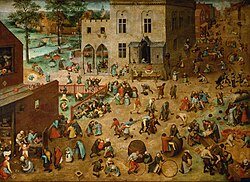
The 20th Century: Urbanization and Safety
As the 20th century progressed, the role of the street changed. With the rise of the motor car, streets became dangerous zones for children. Organizations like the National Highway Protective Society urged the creation of segregated playgrounds to move children away from vehicular traffic. In the United States, the Playground Association of America was founded in 1906 to address these growing safety concerns.
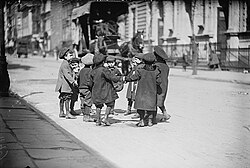
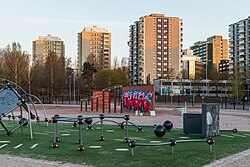
In the United Kingdom, the 1920s saw the rise of influential advocates like Charles Wicksteed, who manufactured robust equipment like swings and slides. By 2019, the UK boasted more than 26,000 children's playgrounds. Meanwhile, in the Soviet Union, playgrounds became an integral part of urban culture, with standardized metal equipment—such as carousels, rockets, and bridges—found in almost every city park during the 1970s and 1980s.
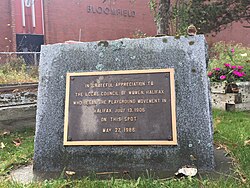
Design and Developmental Impact
Physical and Emotional Growth
Playgrounds are more than just places for fun; they are essential for physical coordination, strength, and flexibility. According to Ajzen's Theory of Planned Behaviour (1991), children's self-esteem can be enhanced through the encouragement of physical mastery. By successfully navigating a climbing frame or a rope bridge, children gain confidence and develop essential social skills through cooperation and communication with peers.
Diverse Types of Play Spaces
Modern design has expanded the definition of a playground. They can be categorized into several types:
- Public Playgrounds: Free-to-use areas, often found in elementary schools or municipal parks.
- Commercial Playgrounds: Spaces connected to businesses, such as those found at IKEA or McDonald's, intended for customers.
- Inclusive Playgrounds: Designed with physical accessibility and developmental appropriateness in mind to accommodate all children.
- Natural Playgrounds: Environments that use natural elements, such as sandboxes or aquatic plant life, to encourage creative play.
- Themed Playgrounds: Artistic or educational spaces, such as the "The Golem" sculpture in Jerusalem, which doubles as a playground.

Safety, Regulation, and Injury Prevention
While playgrounds are vital, they do present risks. Each year, emergency departments treat over 200,000 children aged 14 and younger for playground-related injuries. Statistics show that approximately 46% of these injuries occur in schools. Common diagnoses include fractures (39%), lacerations (22%), and contusions (20%).
Global Safety Standards
To mitigate these risks, various countries have implemented strict regulatory frameworks:
- United States: The Consumer Product Safety Commission (CPSC) and ASTM International provide standards for equipment layout and safety inspections.
- Australia: Standards Australia publishes safety standards, with training and accreditation managed by the University of Technology Sydney.
- Europe: The EN 1176 and EN 1177 standards govern playground equipment and the required depth of impact-absorbing surfaces.
Summary of Playground Statistics and Standards
| Category | Key Statistic / Standard |
|---|---|
| Primary Injury Cause | Falls to the surface (79% of injuries) |
| Most Common Injury Type | Fractures (39%) |
| Public vs. Home Equipment | 75.8% of injuries occur on public equipment |
| US Safety Standard | ASTM F1487-07 |
| European Surface Standard | EN 1177 |
Frequently Asked Questions
What are the main benefits of a playground for a child?
Playgrounds support physical development (strength, coordination, and flexibility) and social-emotional development (communication, cooperation, and self-esteem through physical mastery).
Why are playgrounds becoming more inclusive?
Inclusive playgrounds are designed to ensure physical accessibility and developmental appropriateness, allowing children of all abilities to participate in play.
What is the most common cause of playground injuries?
Falls to the surface are the most significant contributing factor, accounting for 79% of all playground-related injuries.
How is playground safety regulated?
Safety is managed through national and international standards. For example, the US uses CPSC and ASTM guidelines, while Europe follows EN 1176 and EN 1177 standards to regulate equipment and surfacing.
Are home playgrounds safer than public ones?
Data suggests that while public equipment accounts for a higher percentage of total injuries (75.8%), 70% of playground-related deaths actually occur at home.